
Book design
Front matter that prepares the reader
Front matter should identify the book and prepare the reader without postponing the text unnecessarily.
Book design
The material after the main text should support further reading, verification or use of the book.
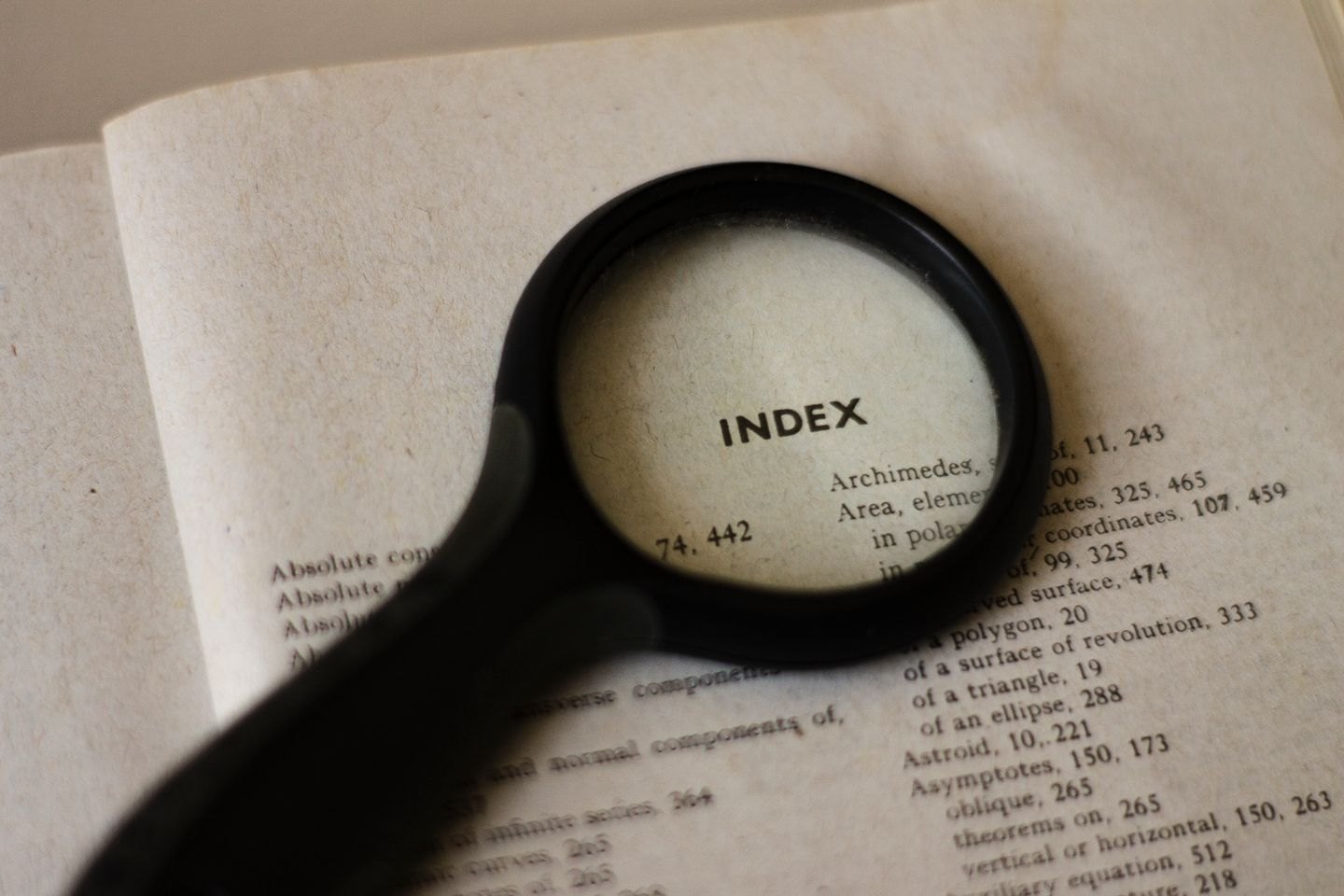
After the final chapter, a reader may want to check a source, look up a term, find a topic again or explore the subject further. Back matter can meet those needs. Choose its components from the book's actual use rather than adding a standard collection of appendices, notes and lists to make it seem more substantial.
For a novel, acknowledgements and a brief author note may be enough. A researched history may require notes, a bibliography and an index. A handbook may benefit from a glossary, a resource list or a reproducible worksheet if the format supports it. Each item should have a clear reader-facing purpose.
Decide what belongs after the ending and what the main text still needs. Essential explanation should not be moved to an appendix merely to make a chapter shorter. If readers cannot follow the argument without it, either integrate it or make the relationship clear at the point where it is needed.
Notes can document sources or provide limited additional discussion. A bibliography identifies works in a chosen scope. An index helps readers locate topics within the book. These functions overlap in a reader's research process, but one does not automatically replace another. Label them accurately and explain any unusual scope briefly.
Check consistency between the main text and supporting material. Every note reference should lead to the intended note; cited names and titles should agree with the source record. If the manuscript has been reorganised, verify that references did not retain an earlier chapter number or sequence.
An index depends on the finished pagination. Plan time for its preparation and checking after the layout is stable. Do not assume that a list of words found by software provides the same function as a considered index. Readers may look for concepts under terms that do not appear exactly in the prose.
An appendix needs a descriptive title and a reason to exist. A table of source data, a technical method or a longer document may work there when it would interrupt the main reading. Introduce it where relevant so readers know it is available. Avoid using the appendix as a storage place for material you could not bring yourself to cut.
For a glossary, define terms at the level the book assumes. A definition should help the intended reader, not merely substitute another unfamiliar word. Check that terminology matches the main text and that the alphabetical or other ordering is consistent.
Resource lists can age. Prefer clearly identified resources with enough information to locate them, and check any links included in a digital edition. Avoid presenting an external service as permanent or endorsed merely because it was useful during research.
Read the transition from the main ending into the back matter. A strong conclusion can be weakened by an immediate, unrelated promotional passage. Arrange the supporting material so the reader can stop at the ending or continue with a clear sense of purpose. Then include these pages in the same proofing and file checks as the rest of the book.
Book design
Front matter should identify the book and prepare the reader without postponing the text unnecessarily.
Book design
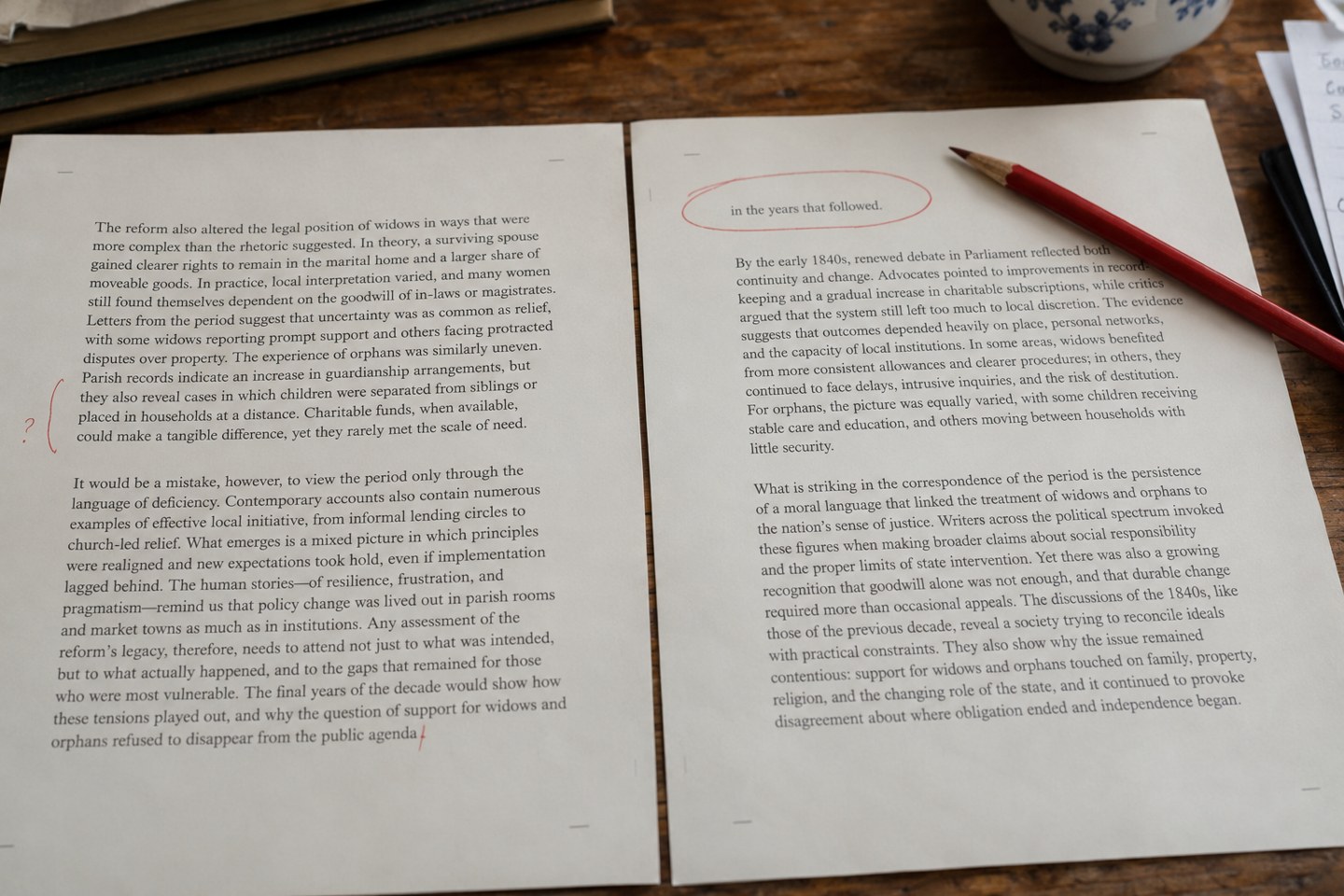
An isolated line can interrupt the page, but forcing it elsewhere may create a worse problem. Review the paragraph and its neighbours before choosing a fix.