Editing
Make a revision plan before changing sentences
Turn a broad sense that the manuscript needs work into a short sequence of decisions, with structural changes placed before local corrections.
The subject index / 32 articles
Read the work again with a purpose: structure, language, continuity and the details that survive to proof.
Editing
Turn a broad sense that the manuscript needs work into a short sequence of decisions, with structural changes placed before local corrections.

Editing
Describe what each existing section does, then use that map to test the manuscript’s actual sequence.
Editing
Look beyond individual sentences when readers cannot follow the manuscript’s central movement, even though they understand its separate parts.
Editing
A focused scene audit follows the immediate aim, the resistance it meets and the situation left behind.

Editing
Repeated wording is easy to spot; repeated argumentative work requires a closer look at what each passage contributes.
Editing
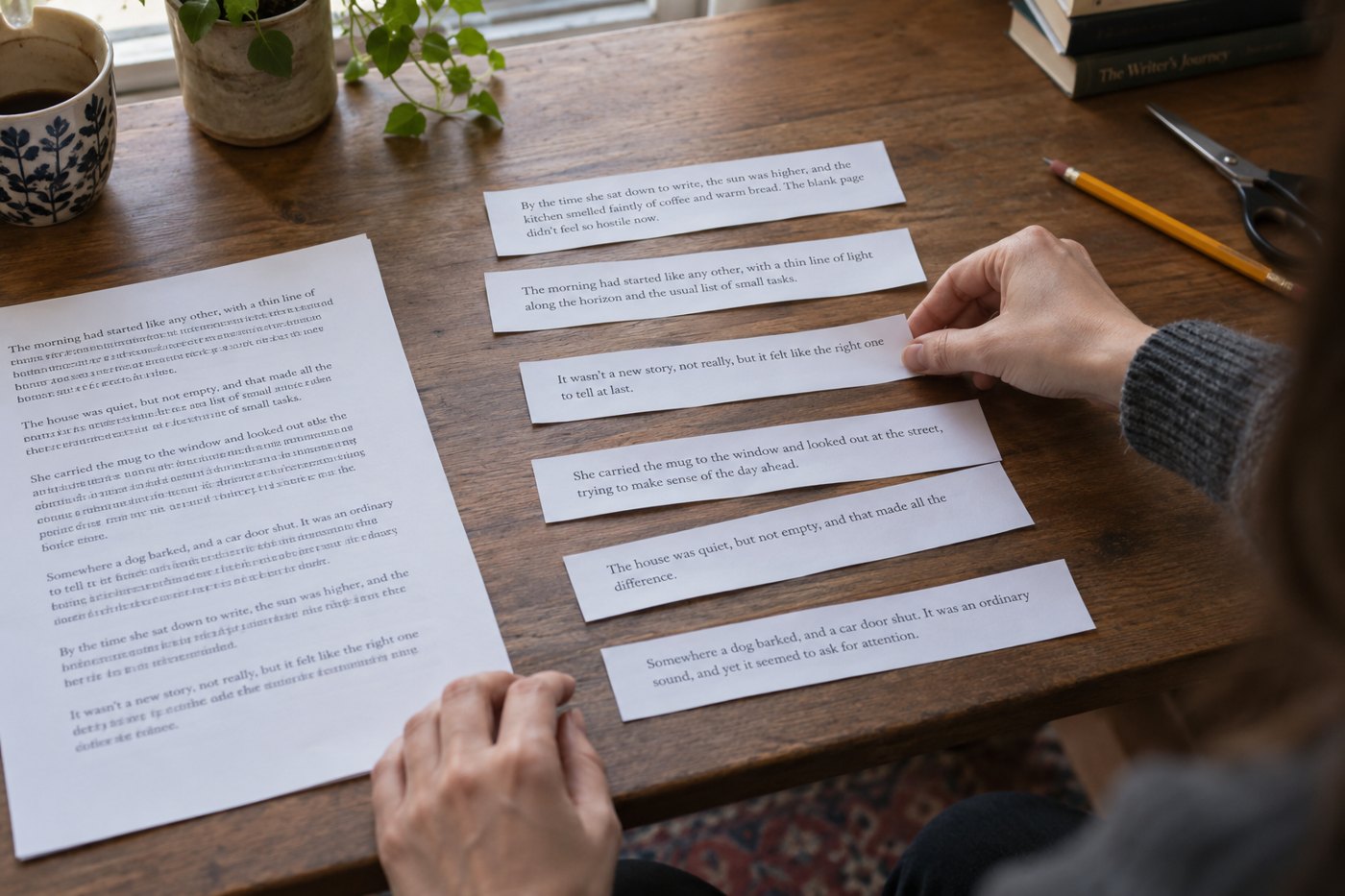
Paragraph order becomes easier to judge when you examine the job of each block before revising its sentences.
Editing
Sentence rhythm comes from the movement of thought as well as the length of the lines on the page.

Editing
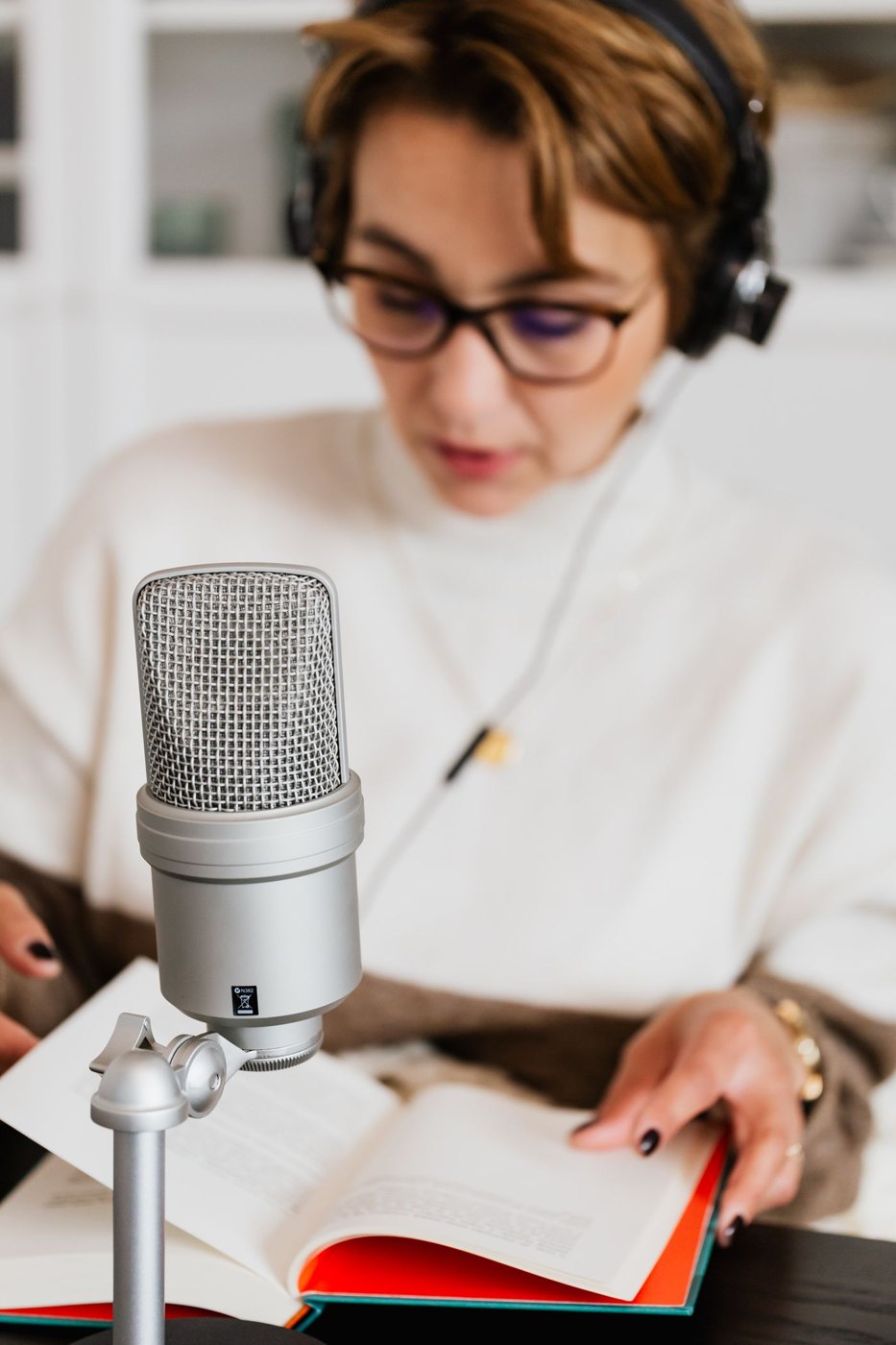
Reading aloud can expose awkward movement and missing words, provided you listen to what is written rather than silently repairing it.
Editing
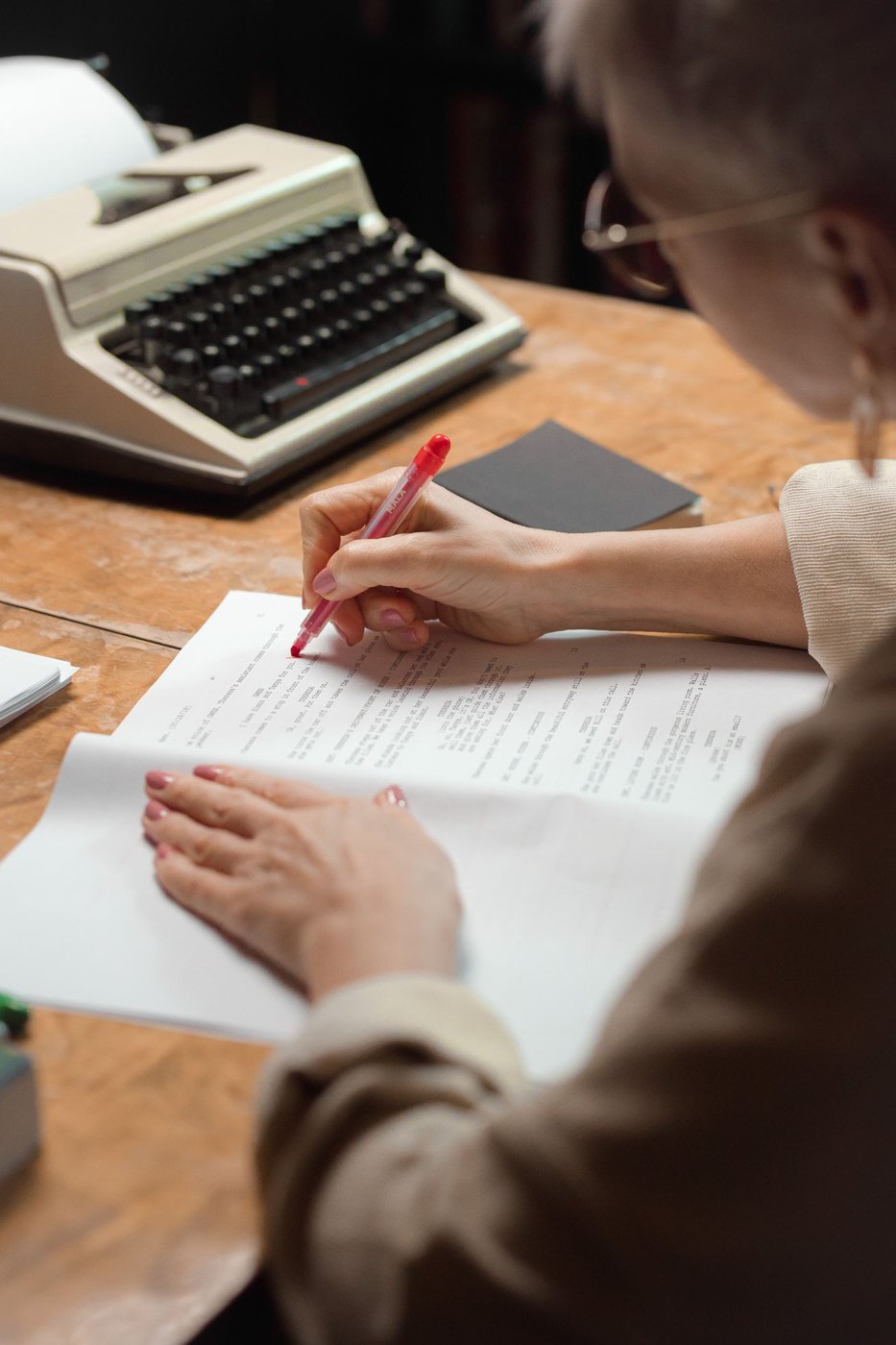
A line edit examines how the prose delivers meaning, emphasis and voice once the larger shape of the manuscript is reasonably settled.
Editing
Choose an editorial pass by the state of the manuscript and the decisions that remain, then describe the required work explicitly.
Editing
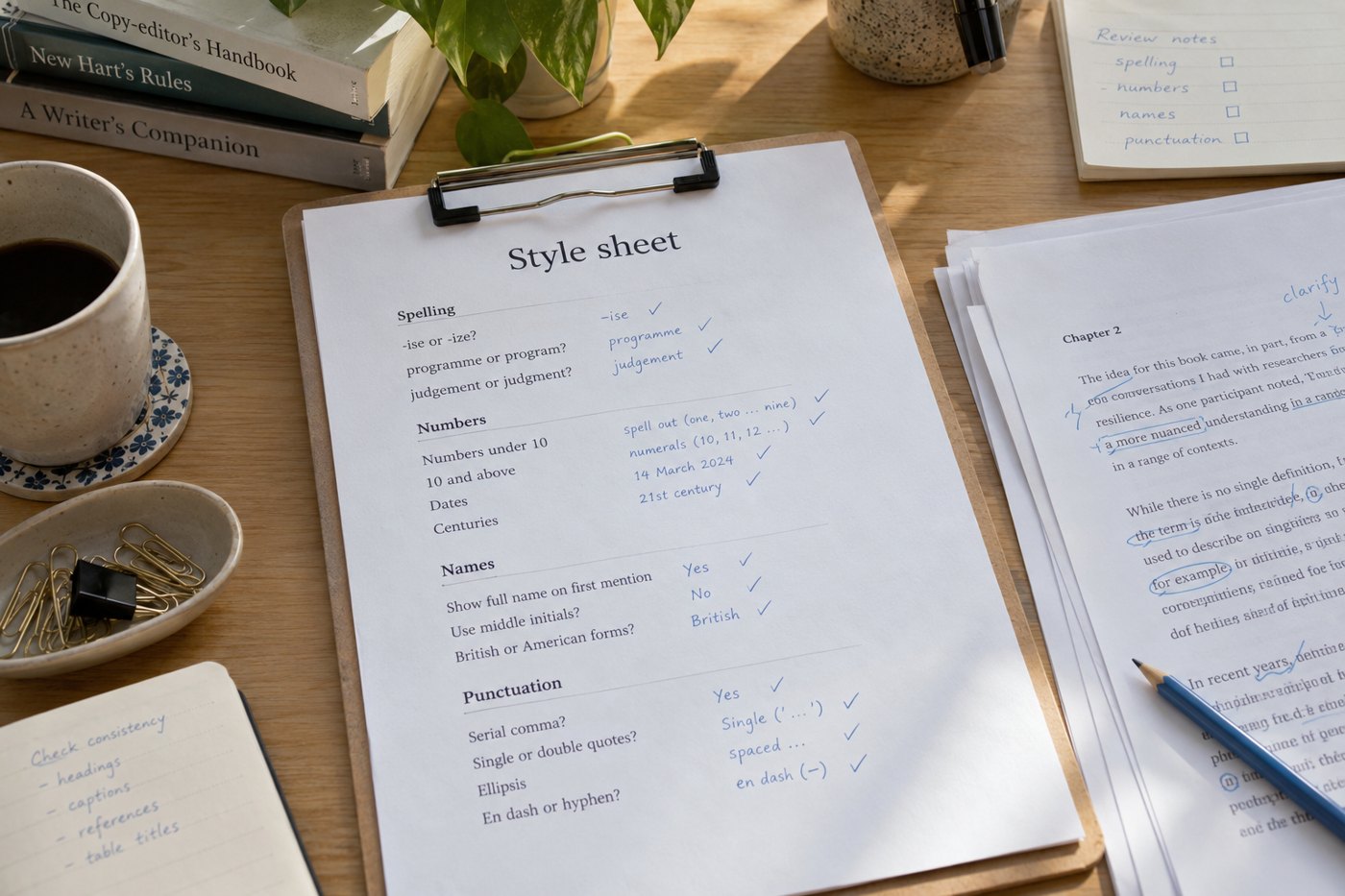
Record the choices that are specific to the manuscript, with enough context for someone else to apply them consistently.
Editing
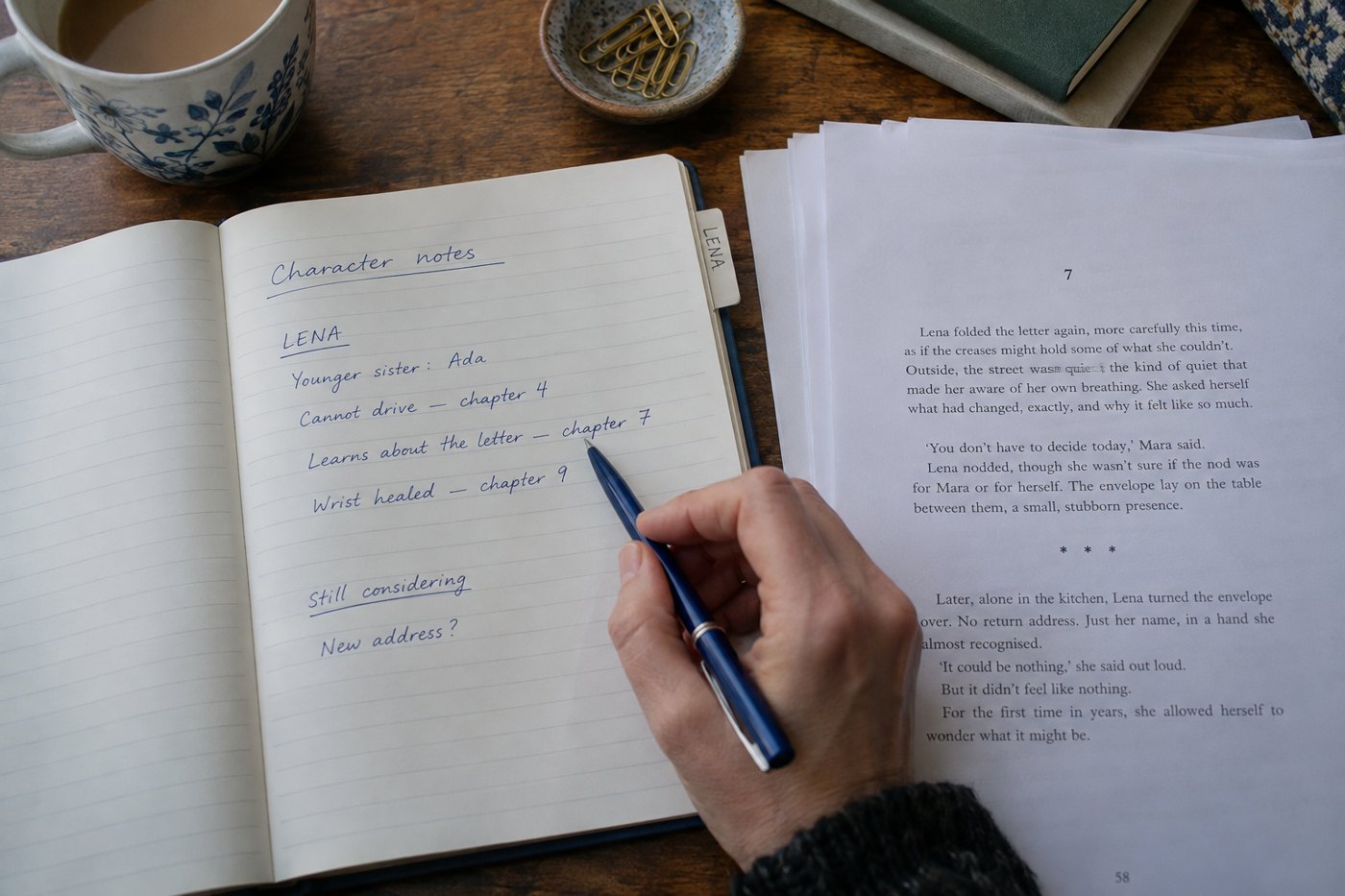
A small continuity record can save a long search. Record the details that constrain later scenes, rather than everything you know about the cast.
Editing
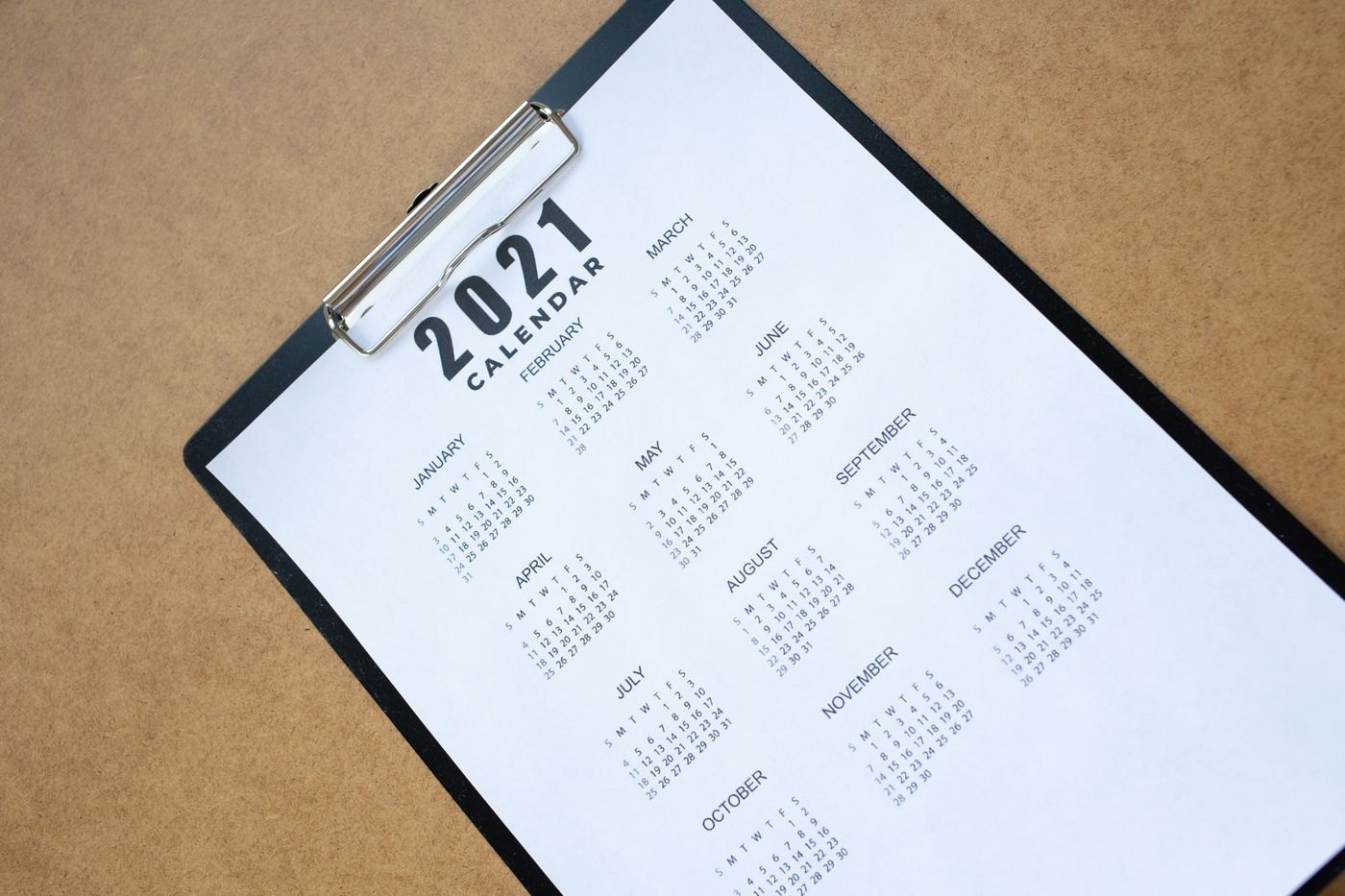
Dates, travel and elapsed time can contradict a story even when each scene reads well. A separate chronology makes those clashes easier to find.
Editing
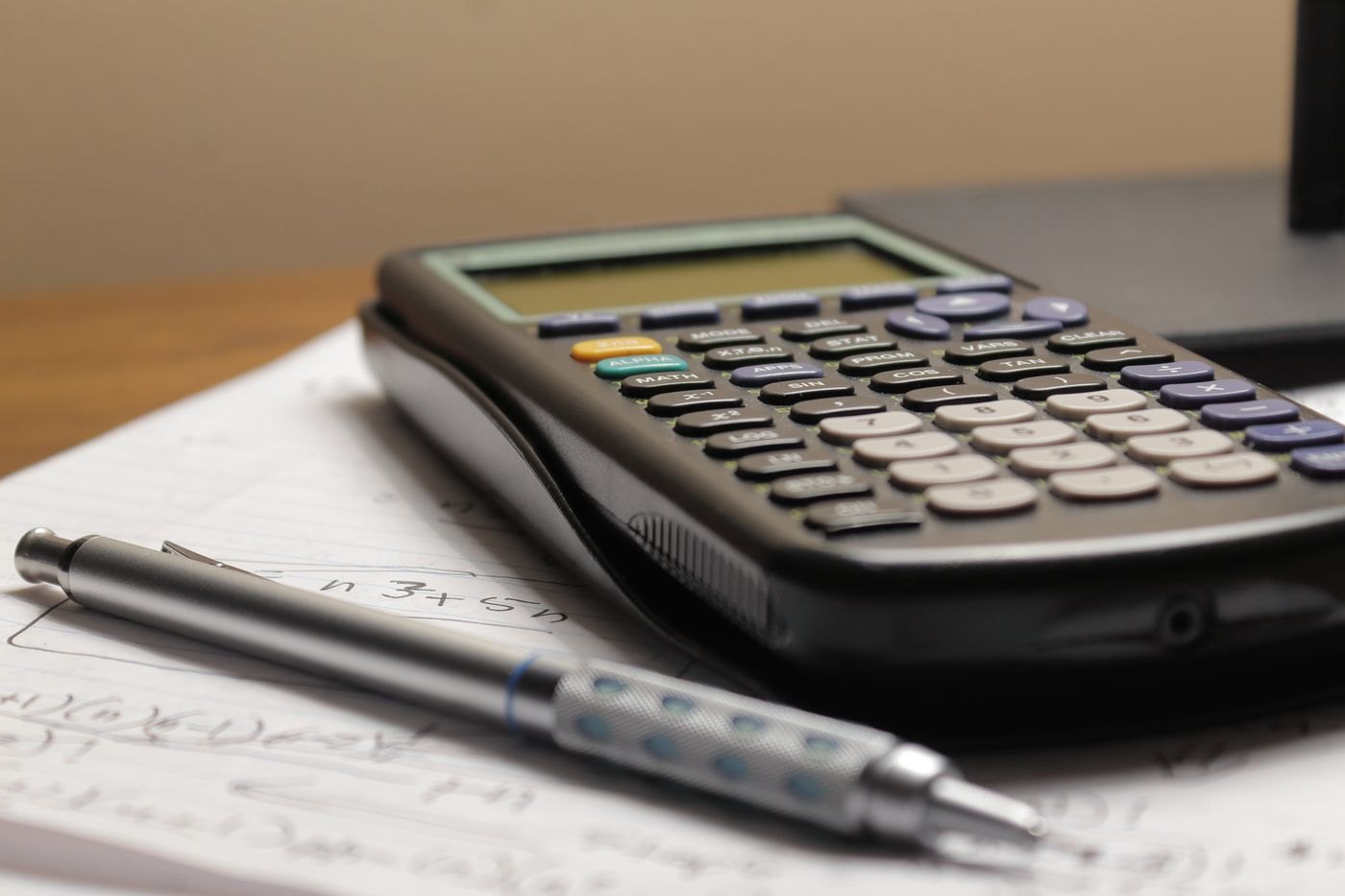
Treat figures as claims that have to agree with their context. A number check includes units, dates, comparisons and the calculations behind the sentence.
Editing
A spelling check may accept the wrong name without complaint. Give people, places and technical vocabulary a pass based on sources and consistent usage.
Editing
Check the words, but also the boundaries and context of a quotation. A faithful transcription can still give readers the wrong impression.
Editing
A source note needs to travel with the claim it supports. Store enough context to understand it after chapters have moved and links have changed.
Editing
A useful brief explains the manuscript, the work you need and what will be handed back. It also makes the edges of the job visible before anyone begins.

Editing
A short sample can reveal how an editor approaches your sentences. It cannot show every problem in a book or replace agreement about the full assignment.

Editing
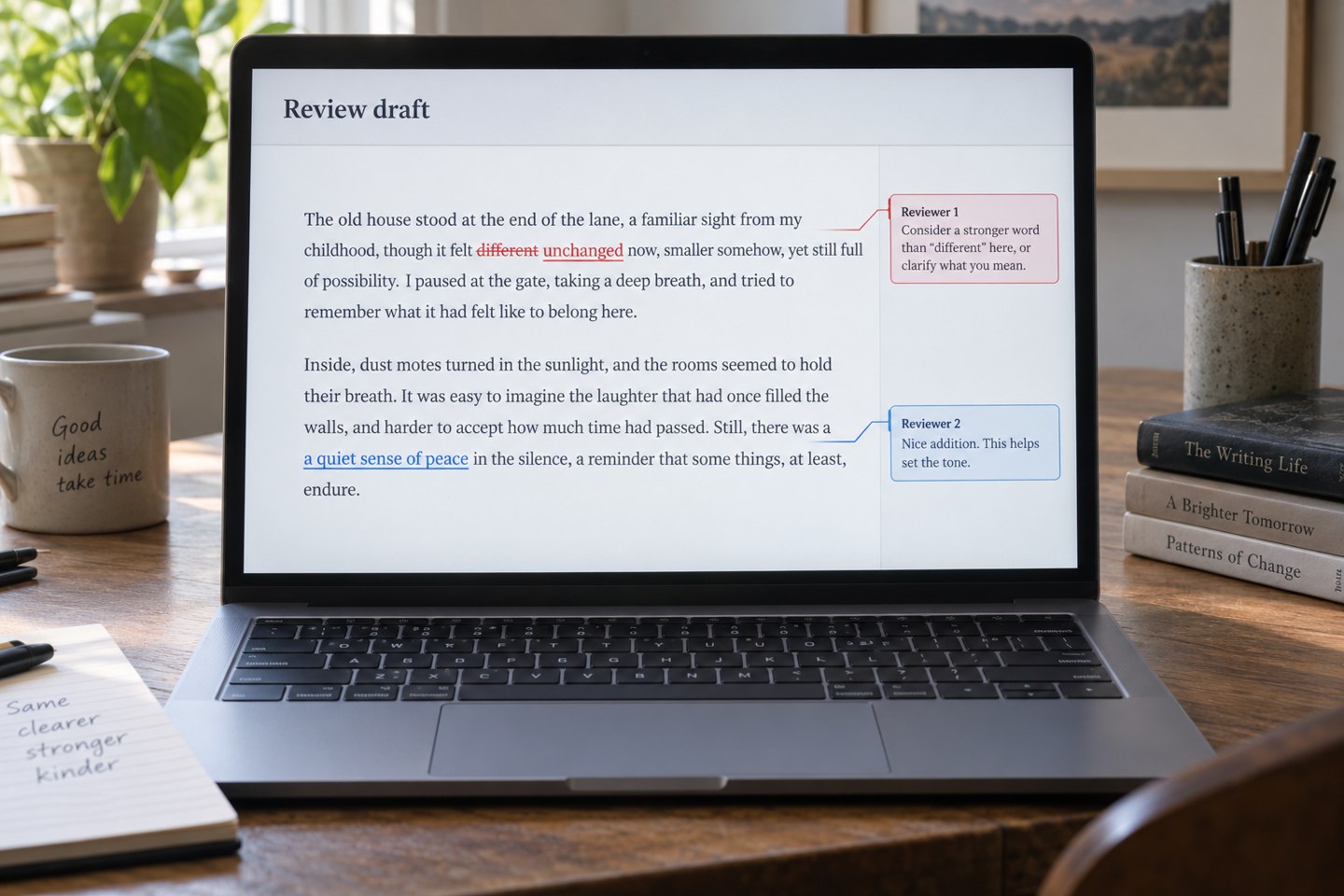
An editor needs an answer that can be applied to the manuscript. Make the wording, location and final decision clear, especially when a query has several parts.
Editing
A considered review preserves the reasons behind an edit and leaves a readable, agreed manuscript.

Editing
Conflicting feedback becomes easier to use when you separate a reader’s experience from their proposed repair.
Editing
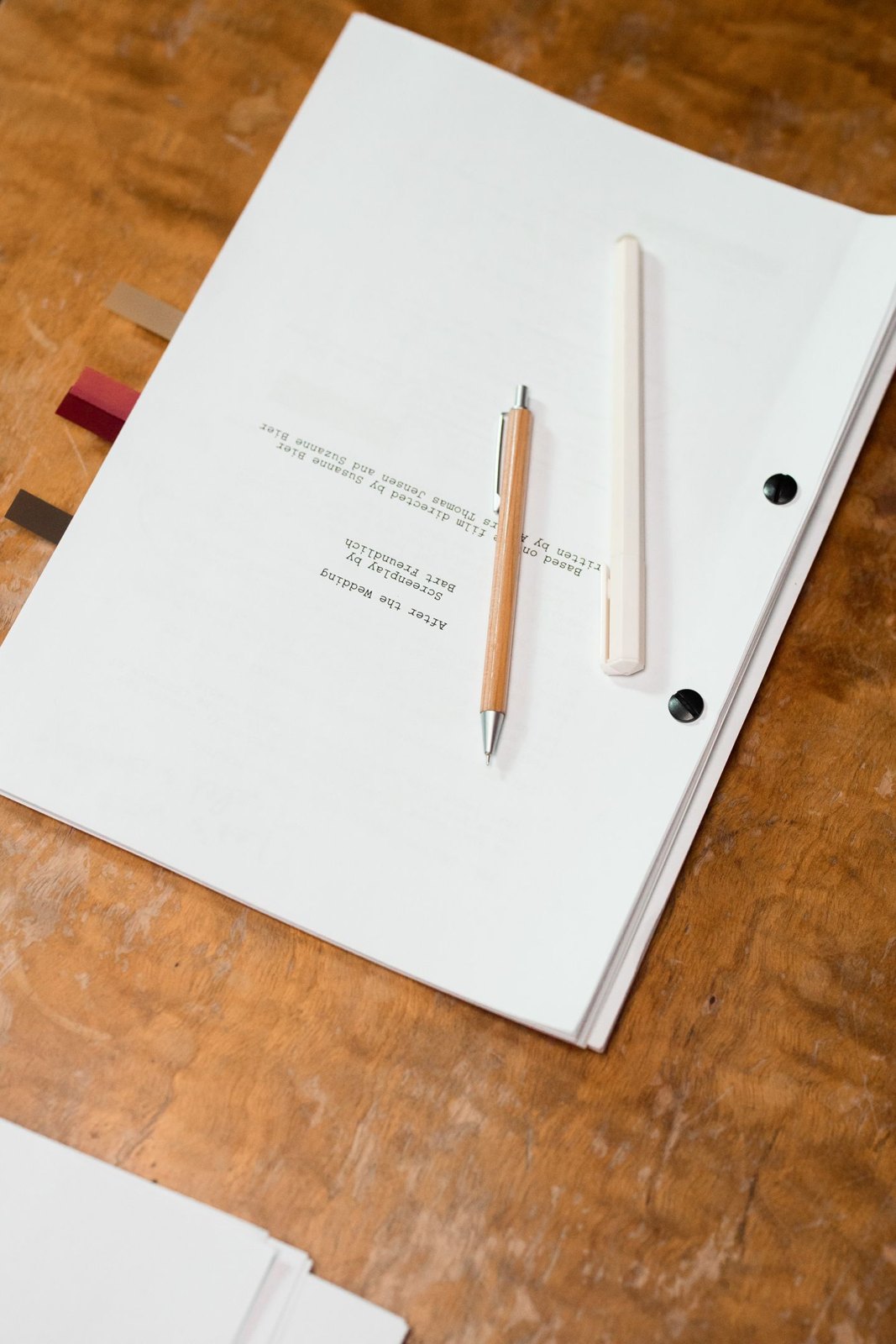
Distance helps you notice what the page actually contains, provided the pause has a clear return point.
Editing
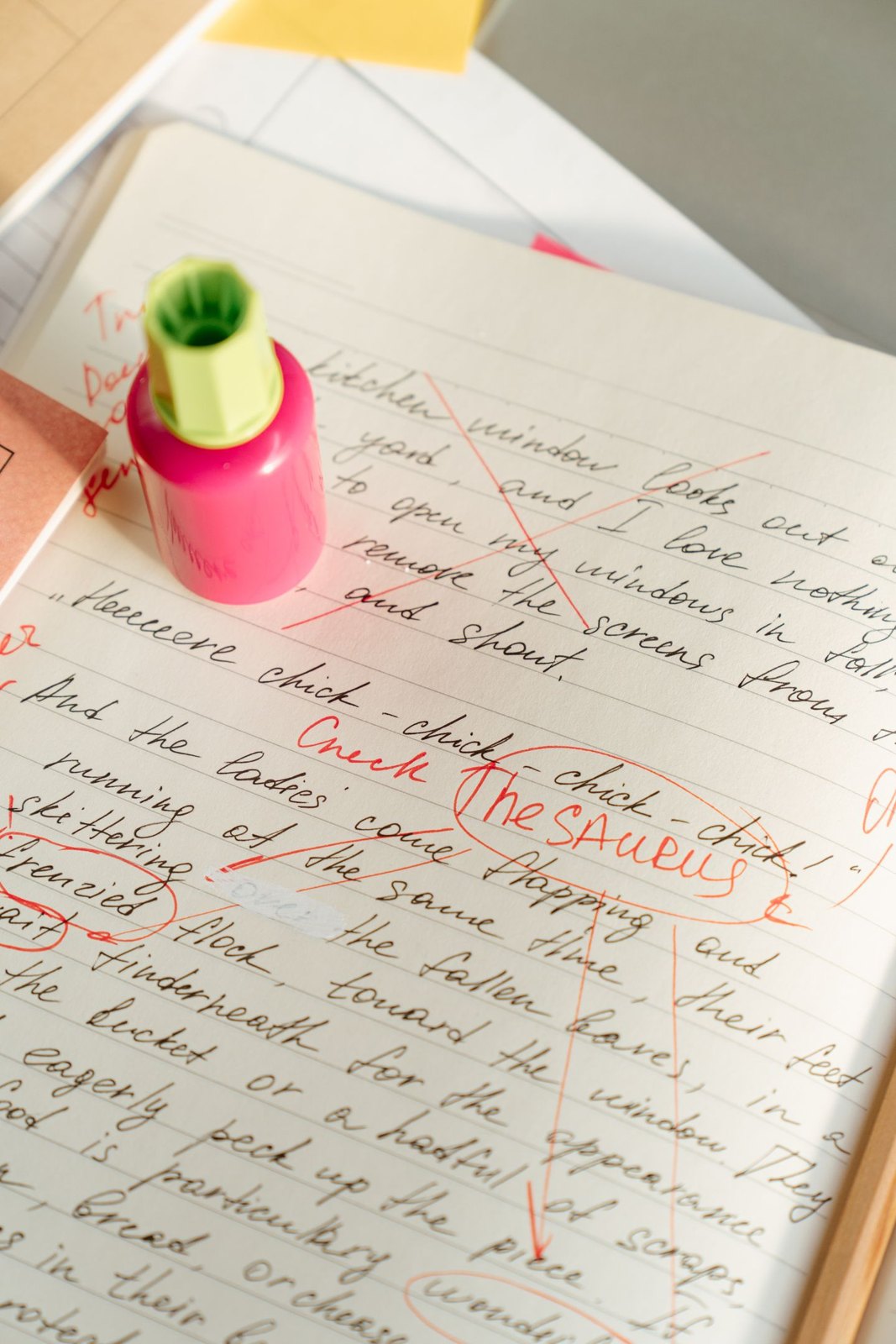
Test a cherished passage by what it contributes to this book, then consider placement and scale before cutting it.

Editing
A small record of positions, possessions and movement can prevent actions that the reader cannot physically follow.

Editing
A final proof pass works best when the text is stable, the checking tasks are distinct and every correction can be verified.

Editing
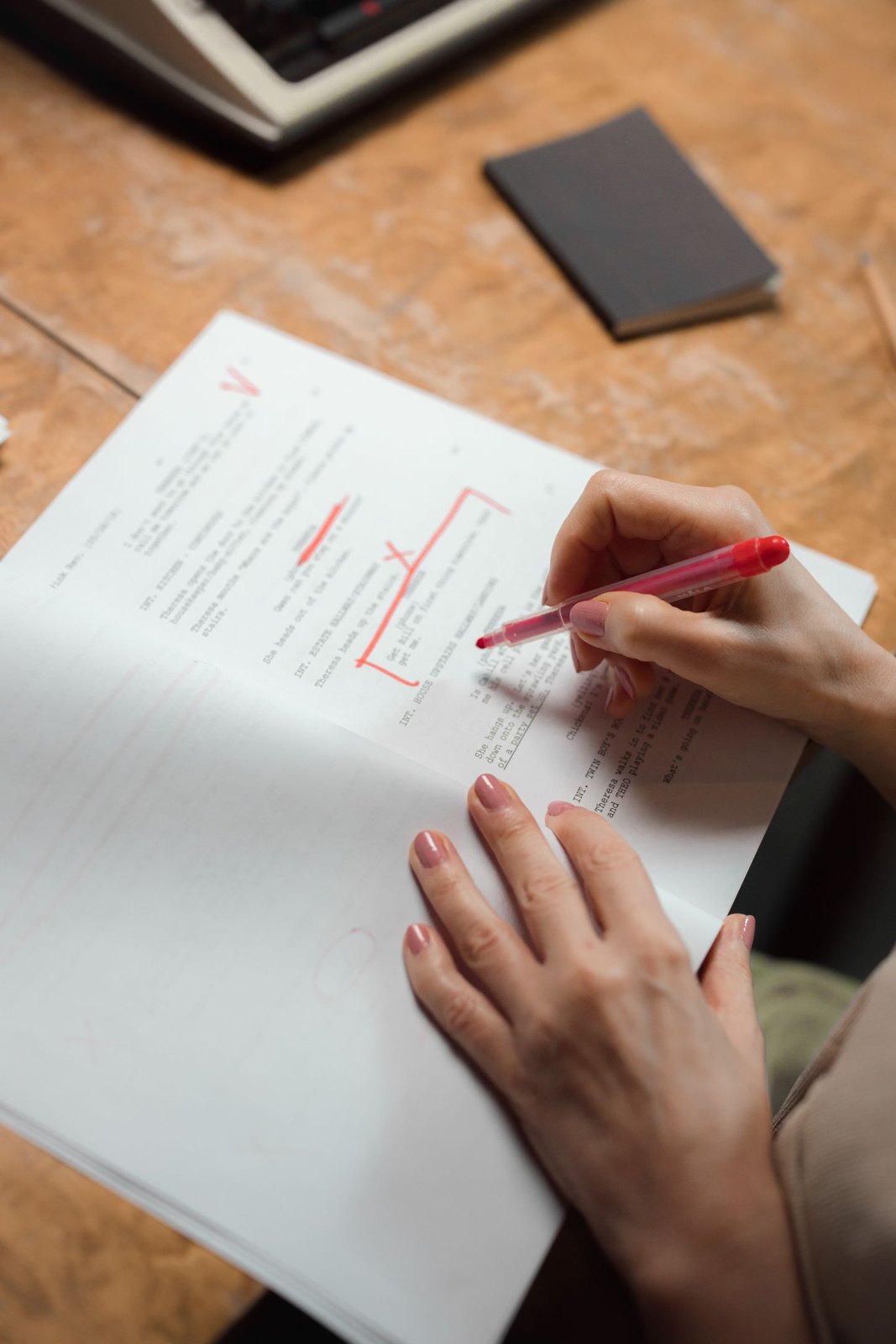
Paper can change how you read a draft; a controlled transfer process keeps its corrections from becoming a second version.
Editing
At proof stage, distinguish a necessary correction from a new preference and assess the consequences before changing the file.

Editing
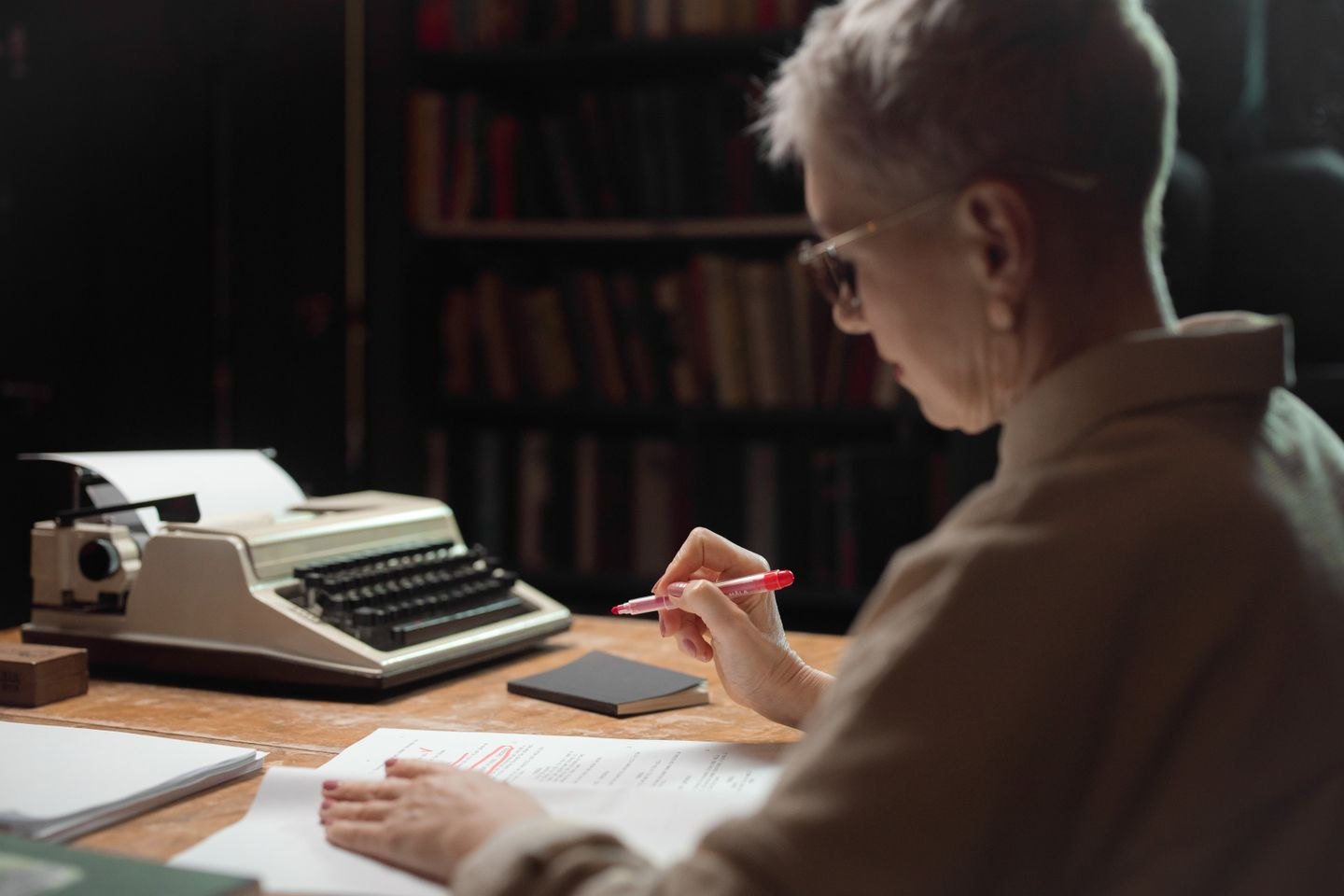
A clear handover gives an editor one authoritative manuscript and a short account of what the assignment covers.
Editing
Match early readers to specific questions, give them a manageable brief and treat their responses as evidence about the draft.

Editing
A useful conversation identifies the material, the editorial question and the limits of the review.
Editing
Revision can stop when the draft meets the needs of its next stage and its remaining questions have been consciously resolved.