Editing
Give a draft enough distance to read it again
Distance helps you notice what the page actually contains, provided the pause has a clear return point.
Editing
Test a cherished passage by what it contributes to this book, then consider placement and scale before cutting it.
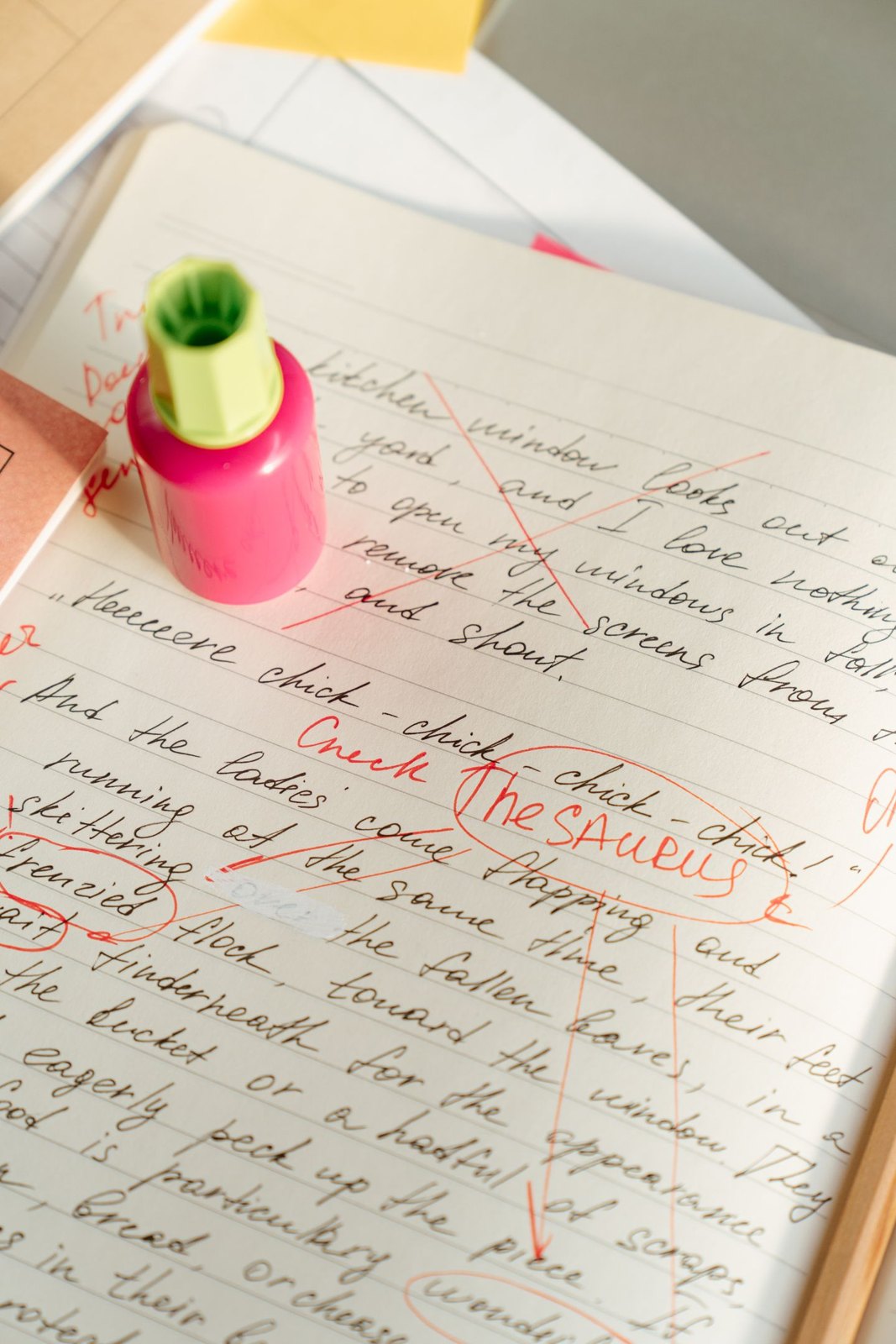
A favourite passage can be beautifully written and still interrupt the book around it. Begin by describing its function without praising its language. Does it reveal a choice, develop an argument, establish a place or change the reader's understanding? “It contains my best description” explains your attachment, but not why the reader needs it at this point.
Look at the pages immediately before and after it. If they already establish the same idea, the passage may repeat a task that has been completed. If they depend on information it supplies, cutting it may create a genuine gap. Distinguishing those situations prevents an enthusiasm for ruthless editing from becoming indiscriminate removal.
Make a temporary copy with the passage removed. Read across the join and continue beyond it. The immediate transition may improve while a later action becomes harder to understand. Note both effects. This experiment tests the passage's contribution more reliably than staring at the favourite sentences and asking whether you can bear to lose them.
Sometimes the right material arrives too early. A childhood memory before a character faces a decision can explain away tension; the same memory after the decision may complicate its meaning. Moving material changes what a reader knows and when. Check those consequences rather than treating relocation as a harmless compromise.
Scale may be the problem. A page of landscape description might contain one image that makes the setting memorable and several that restate its mood. Preserve the image that changes how the place is understood. You are choosing an effect to retain, not merely reducing a word count by a convenient percentage.
In nonfiction, a long anecdote can carry an example, an exception and an entertaining digression at once. Identify which of those the surrounding argument requires. The exception may belong later, where the limits of the idea are discussed. The digression may belong in a different piece altogether. Moving it into a footnote does not automatically make it useful.
An archive of removed material can make a cut easier. Label the passage with its original location and a brief reason for removal, then leave it out of the active draft. The archive is a record, not a promise to find a home for every sentence. Reintroducing material solely because it was difficult to write recreates the original problem.
After the cut or move, check the chapter's balance. Have you removed its only quiet moment, its clearest example or the detail that makes a relationship specific? If so, restore the necessary function in an appropriate form. The aim is a better reading experience, not a manuscript that demonstrates how much its author was willing to sacrifice.
Editing
Distance helps you notice what the page actually contains, provided the pause has a clear return point.
Editing
A small record of positions, possessions and movement can prevent actions that the reader cannot physically follow.