
Writing
Turning an idea into a book-length project
A promising idea is a starting point. Before committing to a whole book, find the question, movement or experience that can hold it together.
The collection
Search a subject or choose a stage of the work, from the first draft to the files behind a published book.
172 articles
No articles match those words. Try a different term or clear the filters.
Writing
A promising idea is a starting point. Before committing to a whole book, find the question, movement or experience that can hold it together.
Writing
A modest situation can carry a story when a person has to choose what to do about it.

Writing
A central question helps you decide what evidence belongs, what a chapter must establish and where the book should stop.
Writing
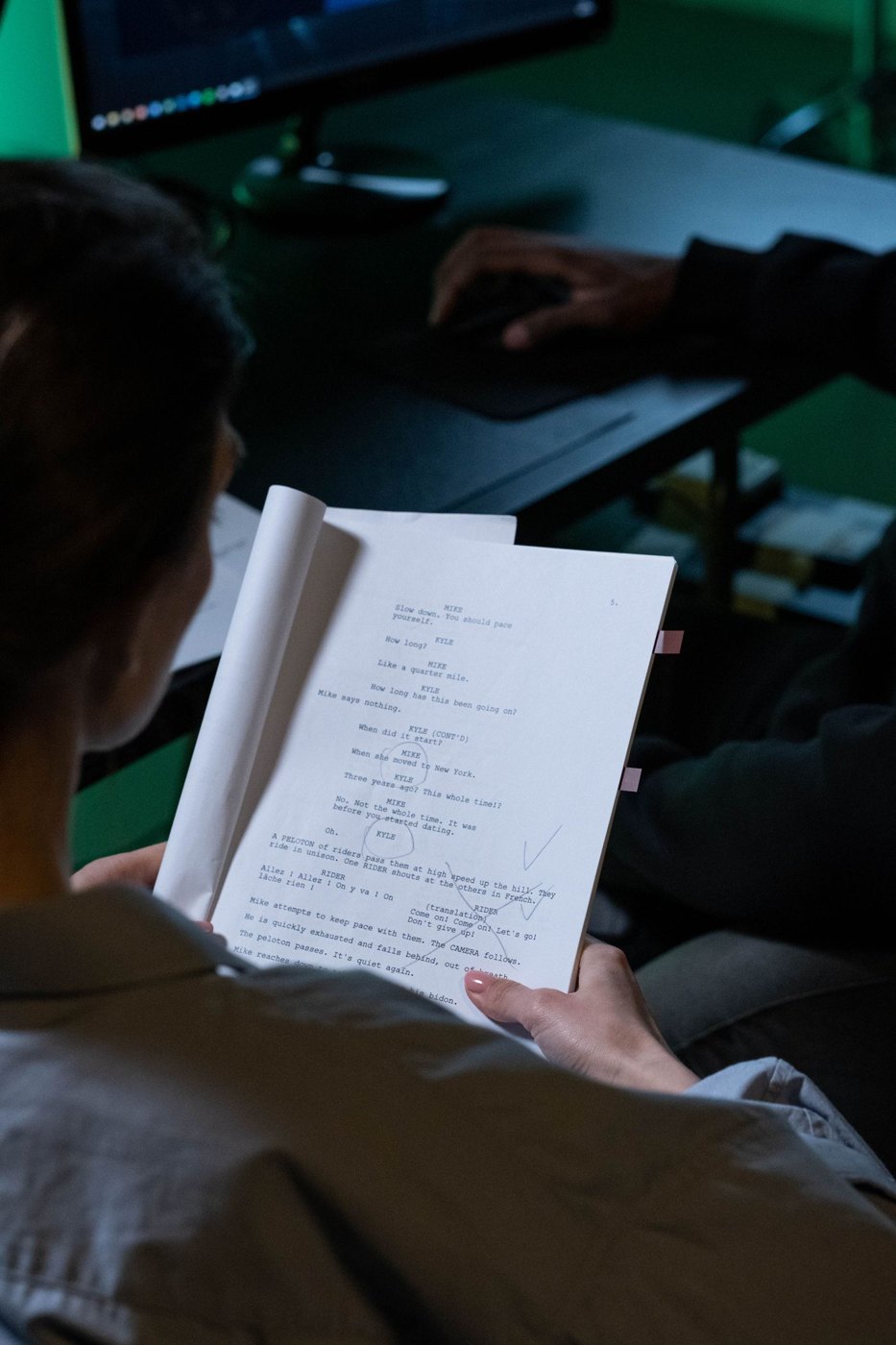
A scene earns its space through the difference between how it begins and how it leaves the story.
Writing
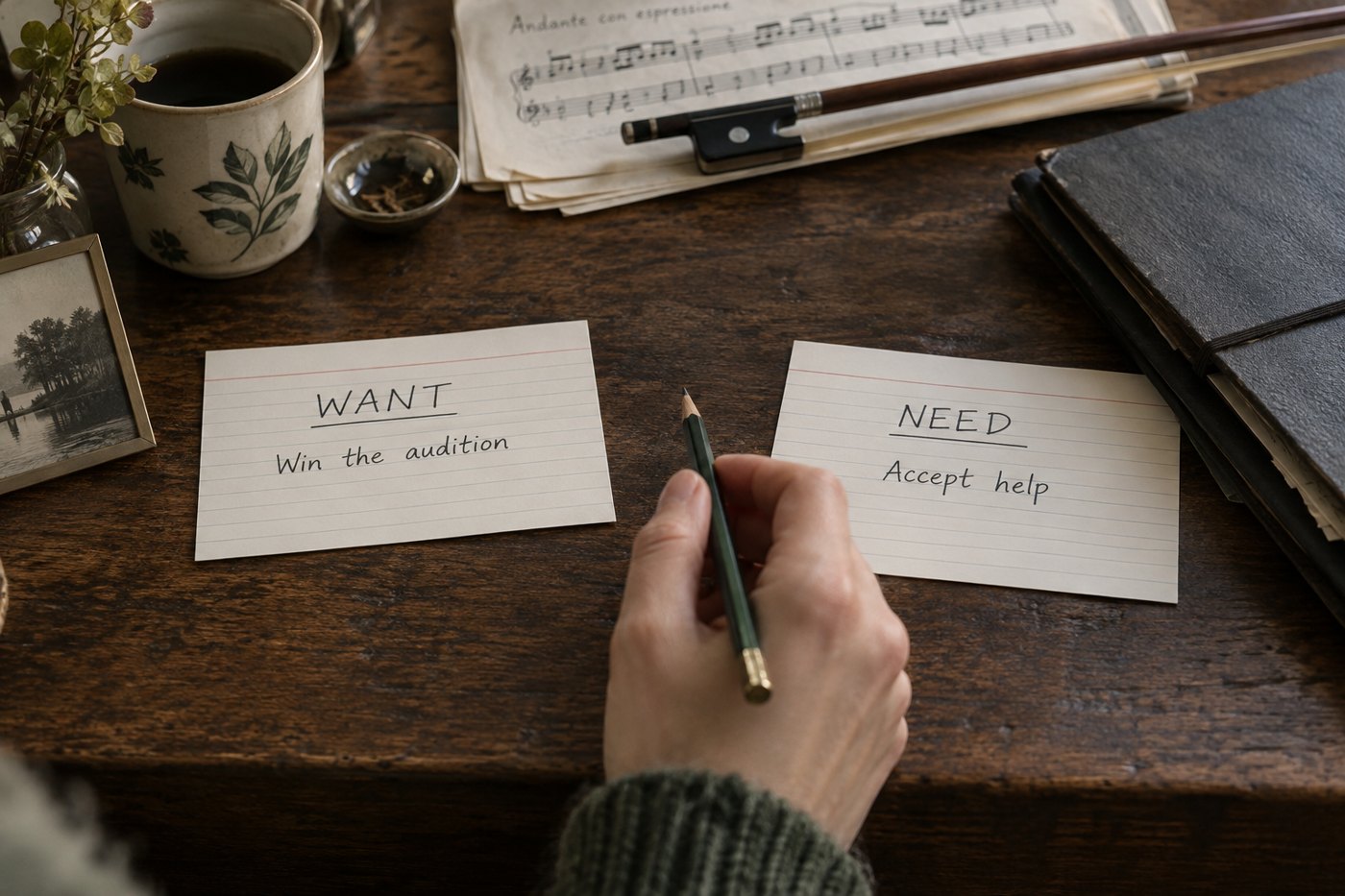
A character can pursue a clear objective while misunderstanding the change that would make their life different.

Writing
Choose a viewpoint for what it lets the reader experience, including the information it keeps beyond reach.
Writing
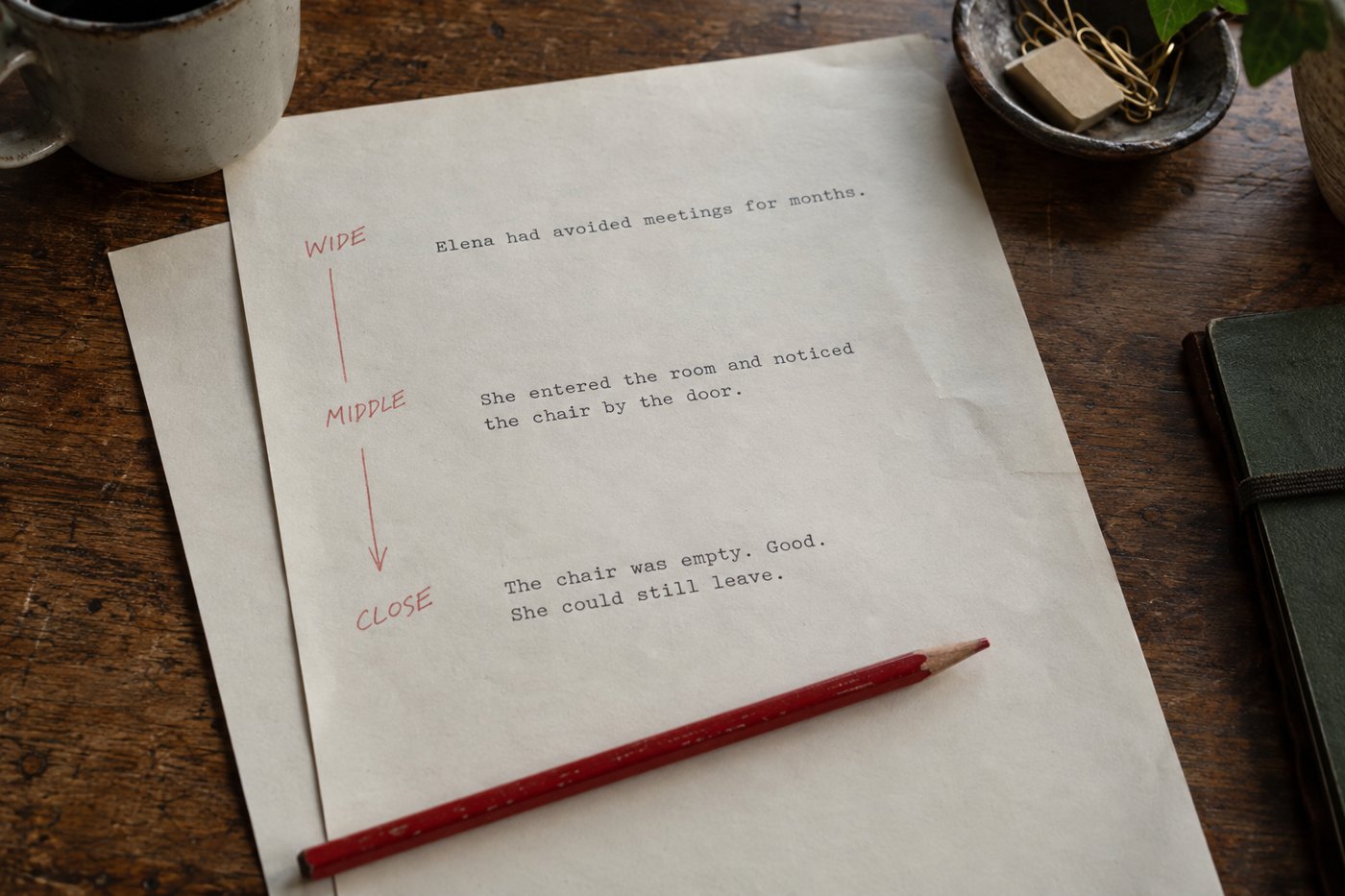
Narrative distance changes the reader’s closeness to a character’s experience while the viewpoint can remain the same.

Writing
First person gains force from a clear boundary between observation, inference and knowledge.

Writing
Dialogue becomes active when people want different things from the same conversation.
Writing
A dialogue tag identifies the speaker or controls timing; it does not need to explain every emotion.

Writing
A place becomes tangible when its surfaces, routines and restrictions affect the people moving through it.

Writing
A few selected details can orient a reader and reveal a character’s attention more effectively than a full sensory inventory.
Writing
The opening teaches readers what kind of attention the book will reward. Its promise should match the story that follows.

Writing
An ending feels earned when its final decisions grow from the pressures and possibilities the book has established.

Writing
A stalled middle often points to a missing consequence, a repeated obstacle or a goal that no longer asks enough of the character.
Writing
A chapter ending controls a pause. Choose the pause for the question or consequence you want readers to carry forward.
Writing
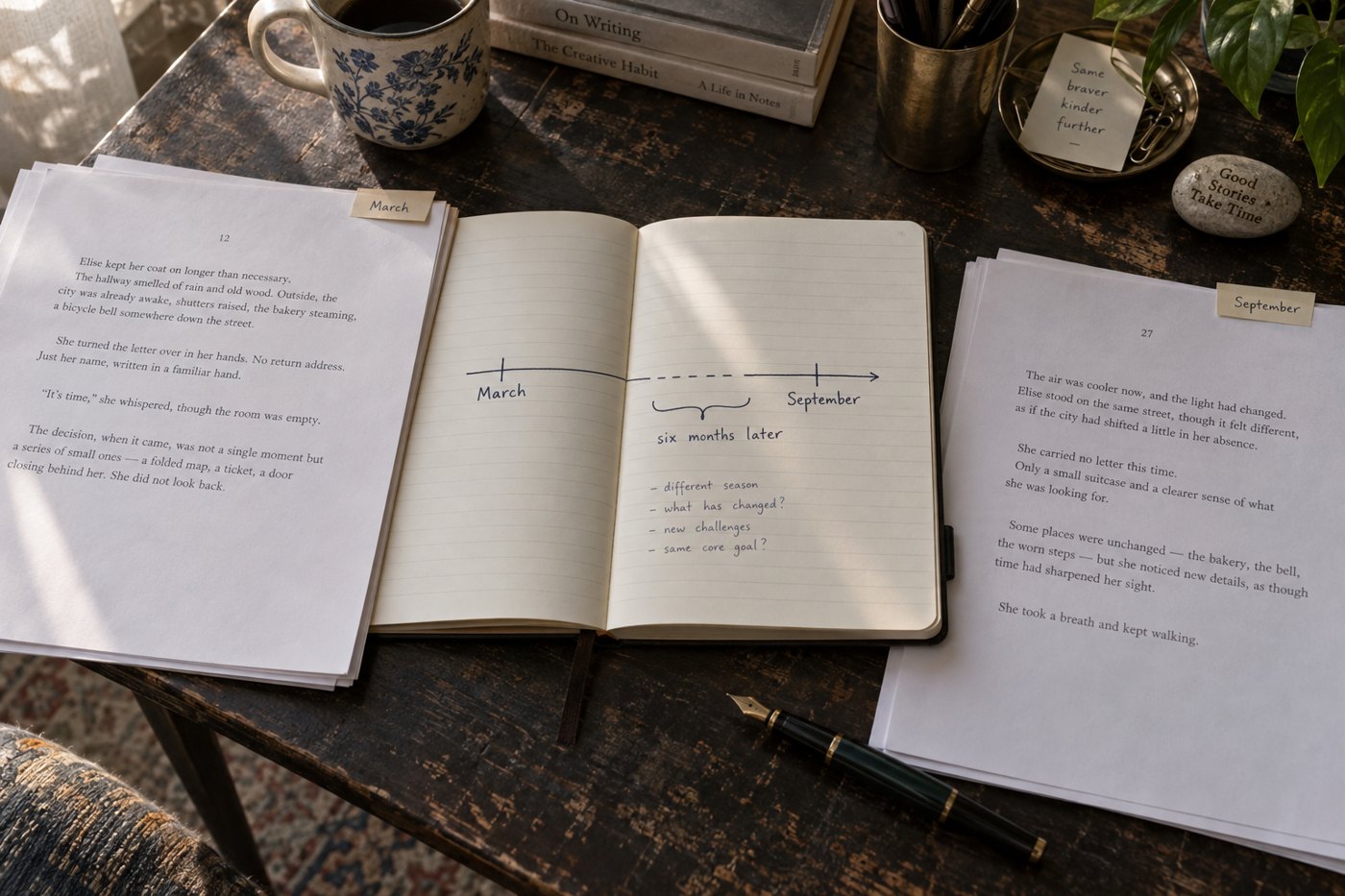
A time jump can leave events behind while giving readers enough bearings to understand the new present.

Writing
A flashback is most useful when an earlier event changes the meaning or direction of the present scene.
Writing
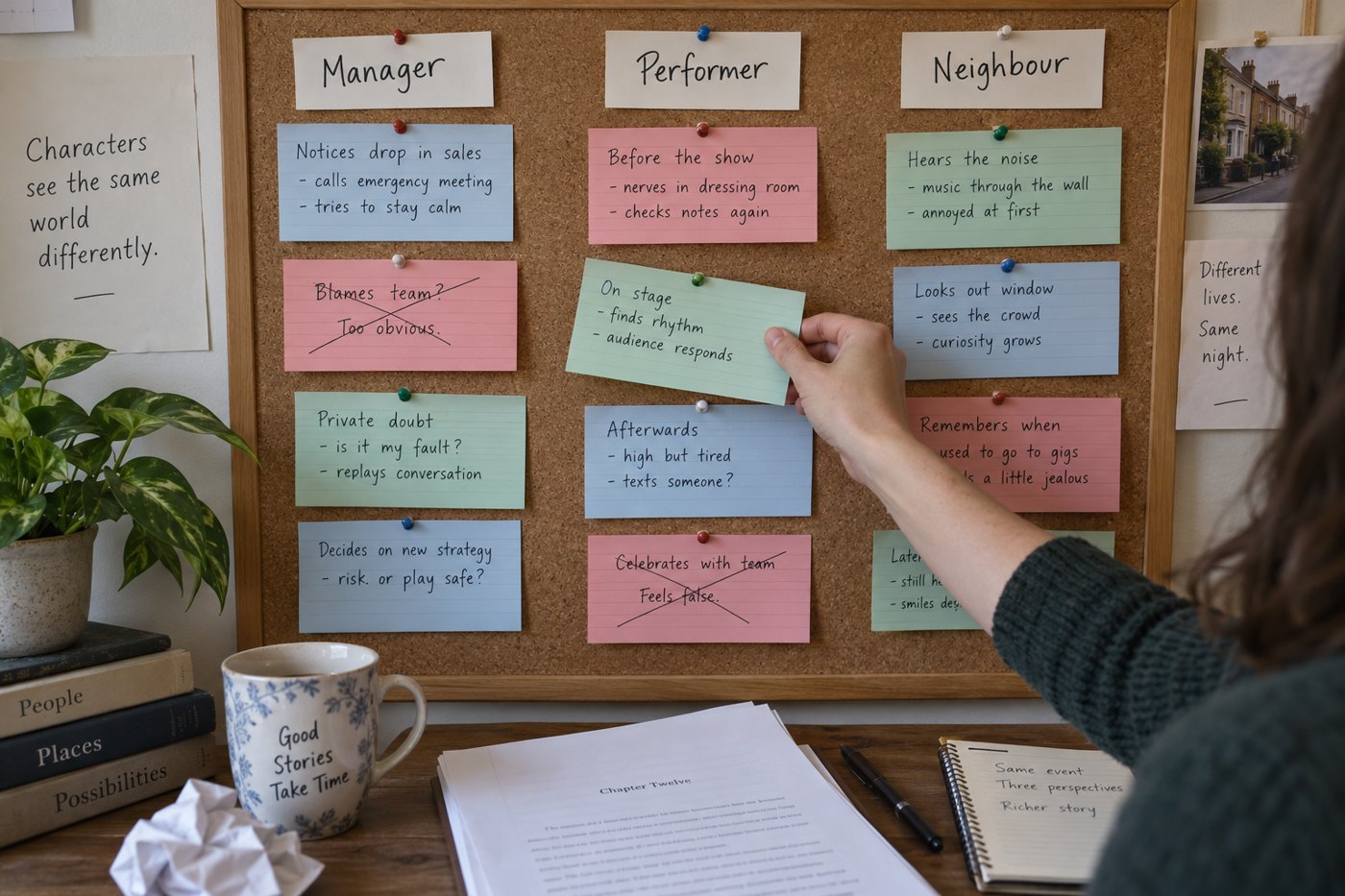
Several viewpoint characters need distinct reasons to be present and a shared story that their perspectives can change.

Writing
A subplot needs its own movement and a meaningful connection to the main action.
Writing
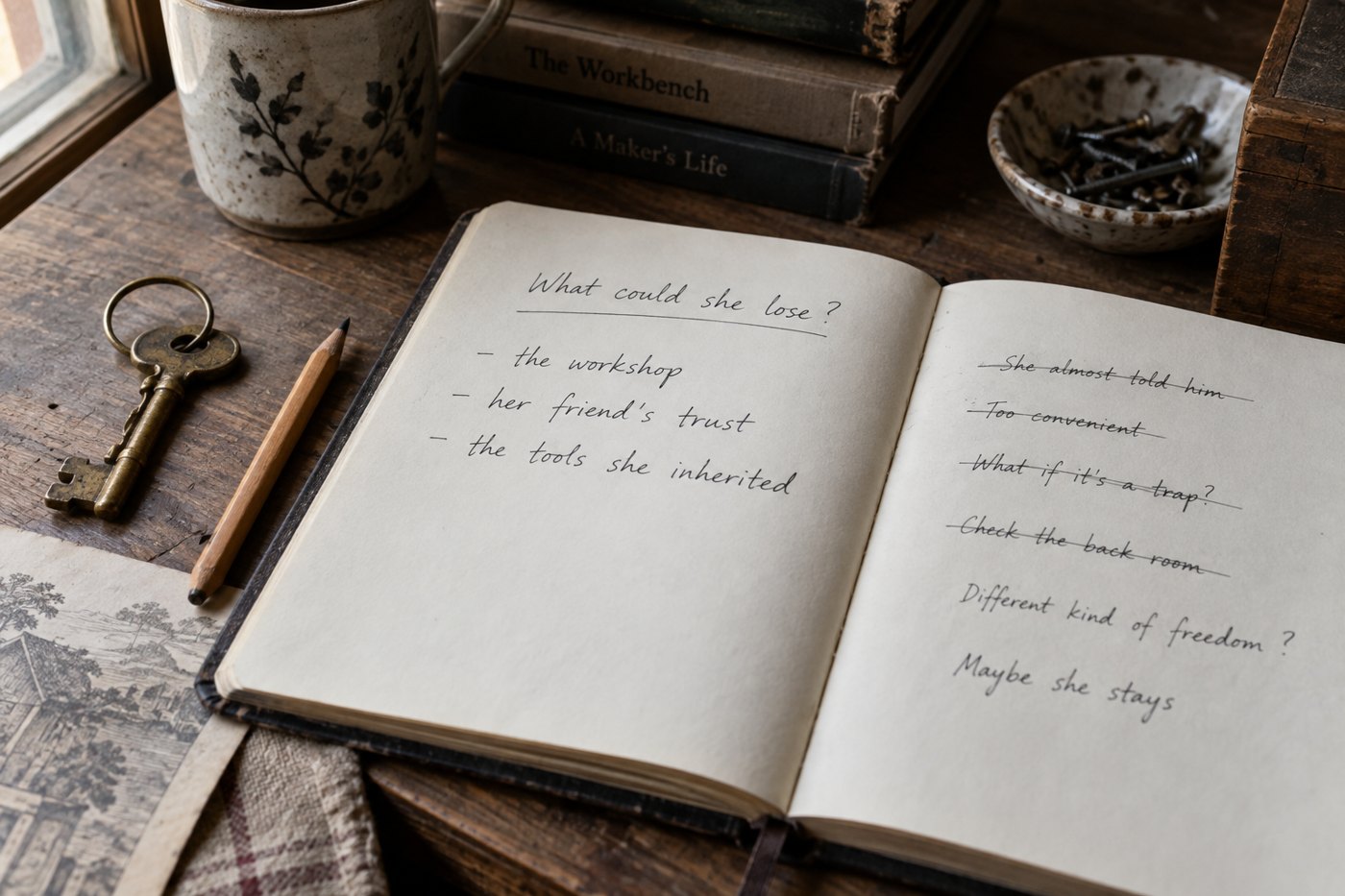
Consequences become legible when readers know what a person values and how a particular outcome would alter it.

Writing
Stillness can carry tension when attention, understanding or intention changes within it.
Writing
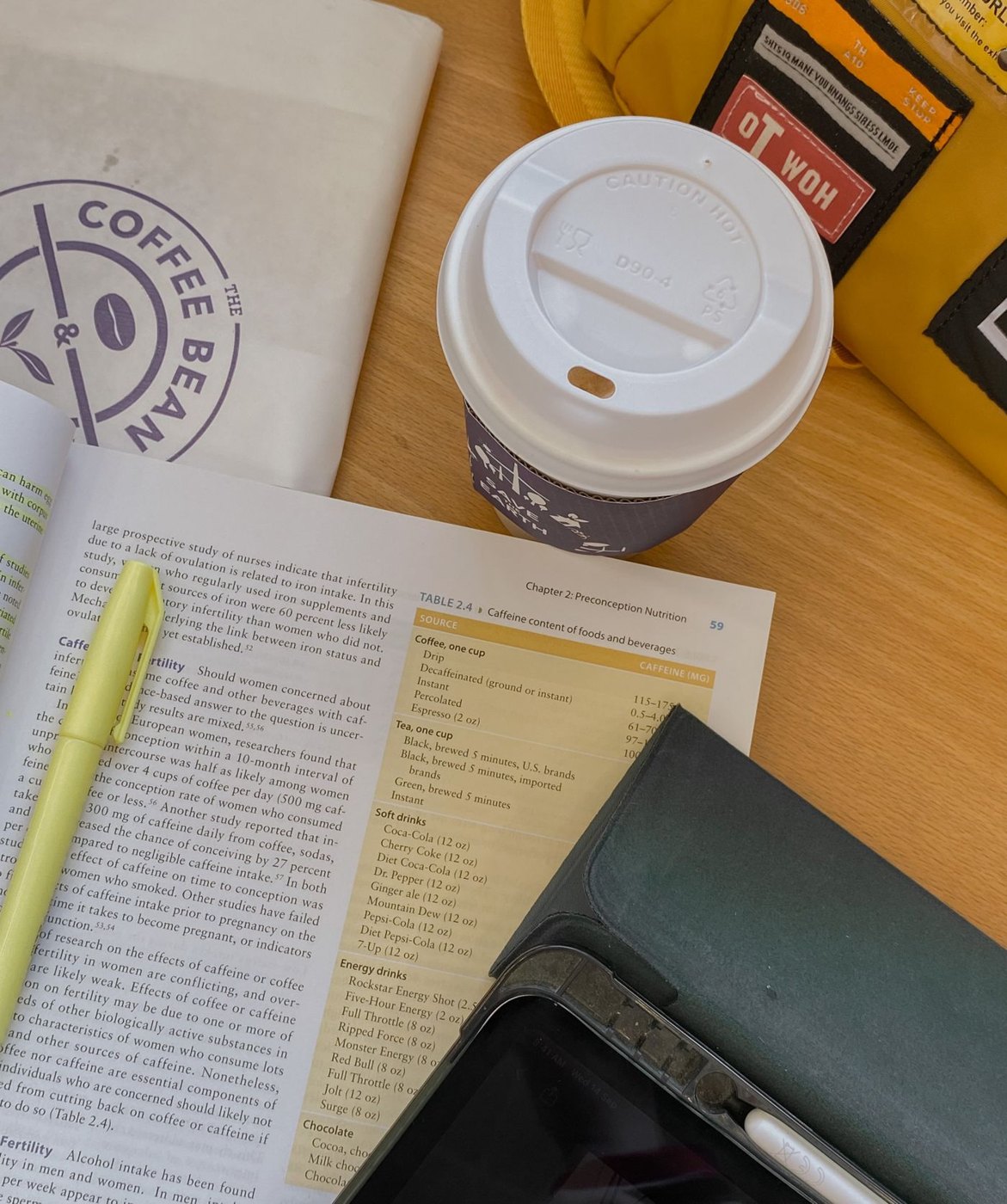
Background information works best when readers can connect it to a question or action already in progress.
Writing
Research can serve a draft or postpone it. A defined question and a stopping condition help you tell the difference.

Writing
Keep the recording, the transcript and your interpretation distinct while building a passage readers can follow.
Writing
An outline becomes useful when it follows the questions readers need answered, including the questions created by earlier answers.
Writing
An example should make a distinction, process or consequence easier to understand. Choose it for that work.
Writing
A memoir selects a meaningful part of a life. The selection becomes clearer when you know the movement the book is following.
Writing
A personal essay gathers around a question, tension or change in understanding rather than around a complete account of an experience.

Writing
A short story can imply a larger life while concentrating on the encounter or decision that changes something within it.

Writing
A writing routine is easier to sustain when it accounts for your actual week, the kind of work required and the cost of restarting.

Writing
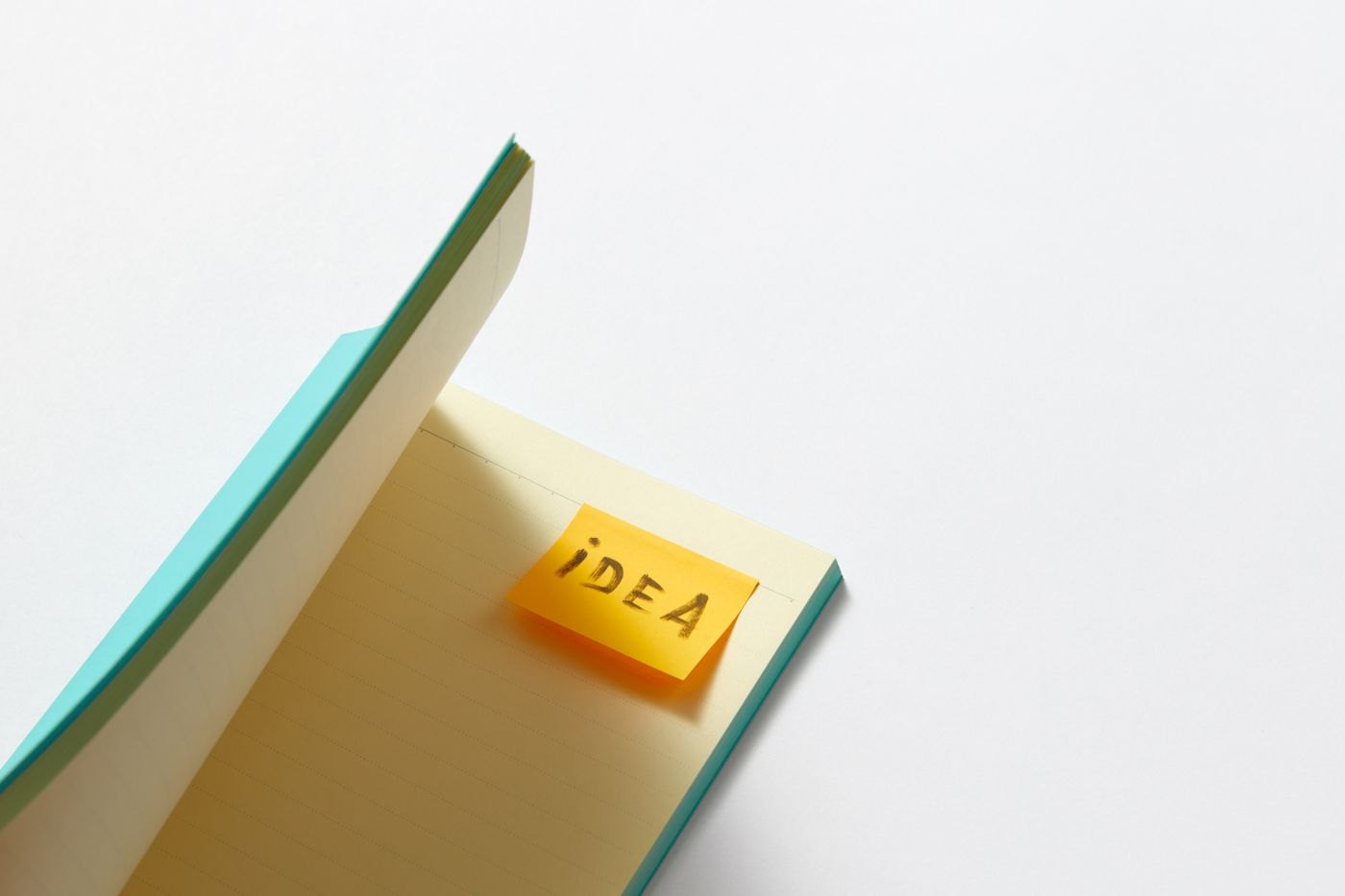
A short restart note preserves the next decision so you do not have to rediscover it when you return.
Writing
A visible placeholder can preserve momentum without allowing an unresolved detail to disappear.

Writing
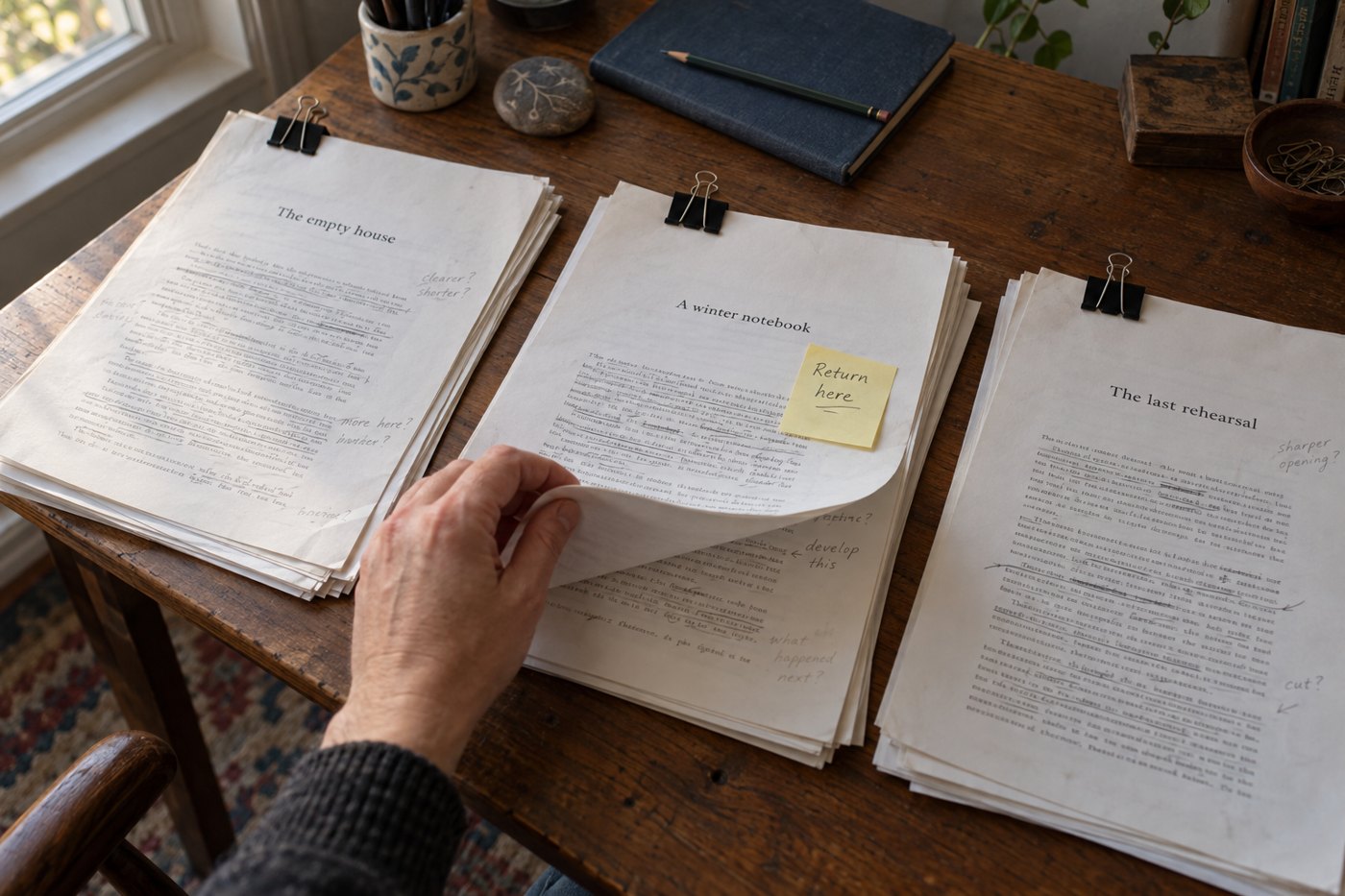
Select one moment of pressure, then let action and response carry the information that summary currently supplies.
Writing
Compare unfinished projects by their remaining questions and workable next steps, rather than by guilt or accumulated pages.

Writing
A focused question helps a writing group describe its reading experience and keeps the discussion useful to the next revision.

Writing
Tell a reader what stage the draft has reached, what you need to learn and what kind of response would help.
Writing
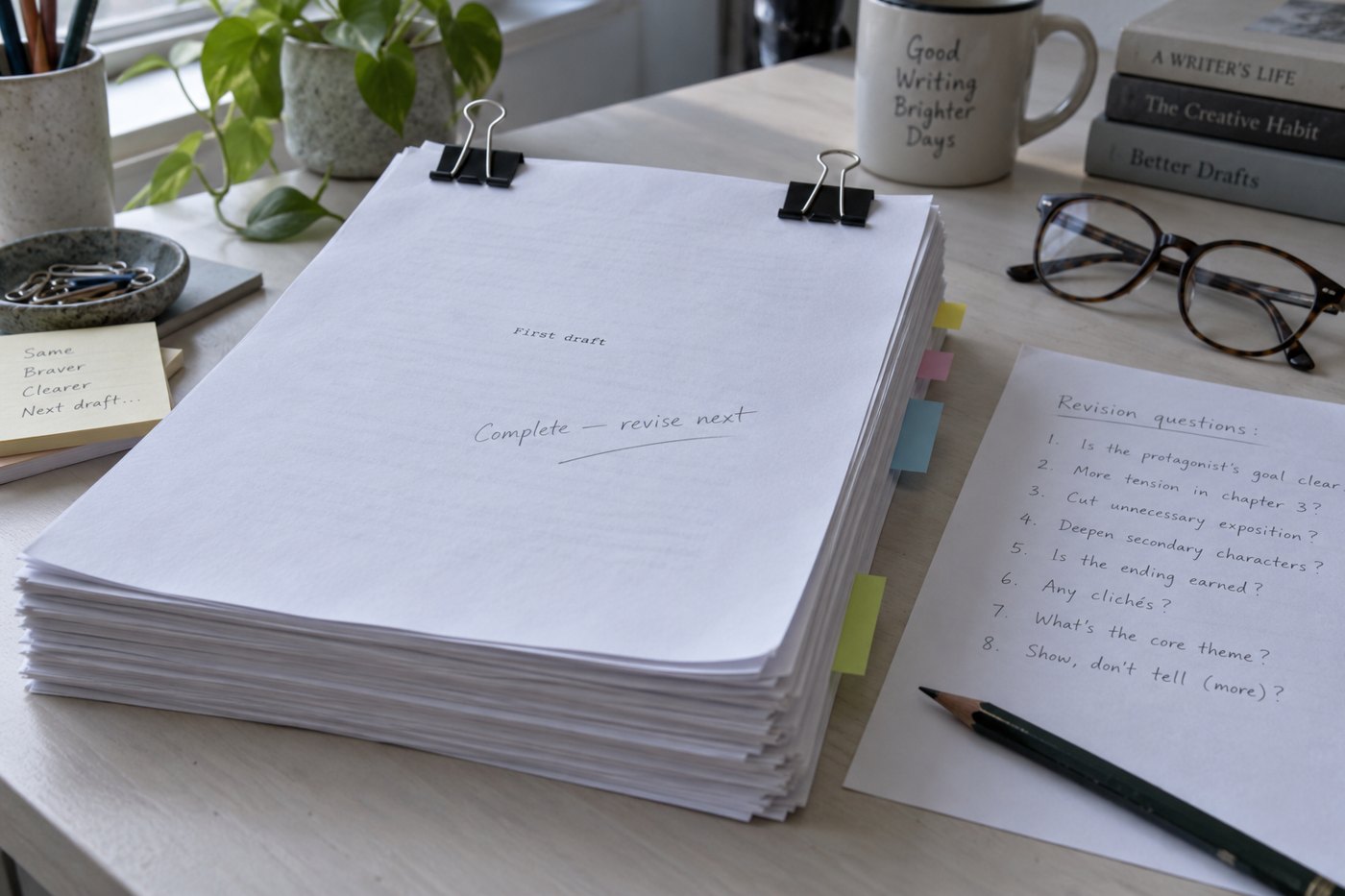
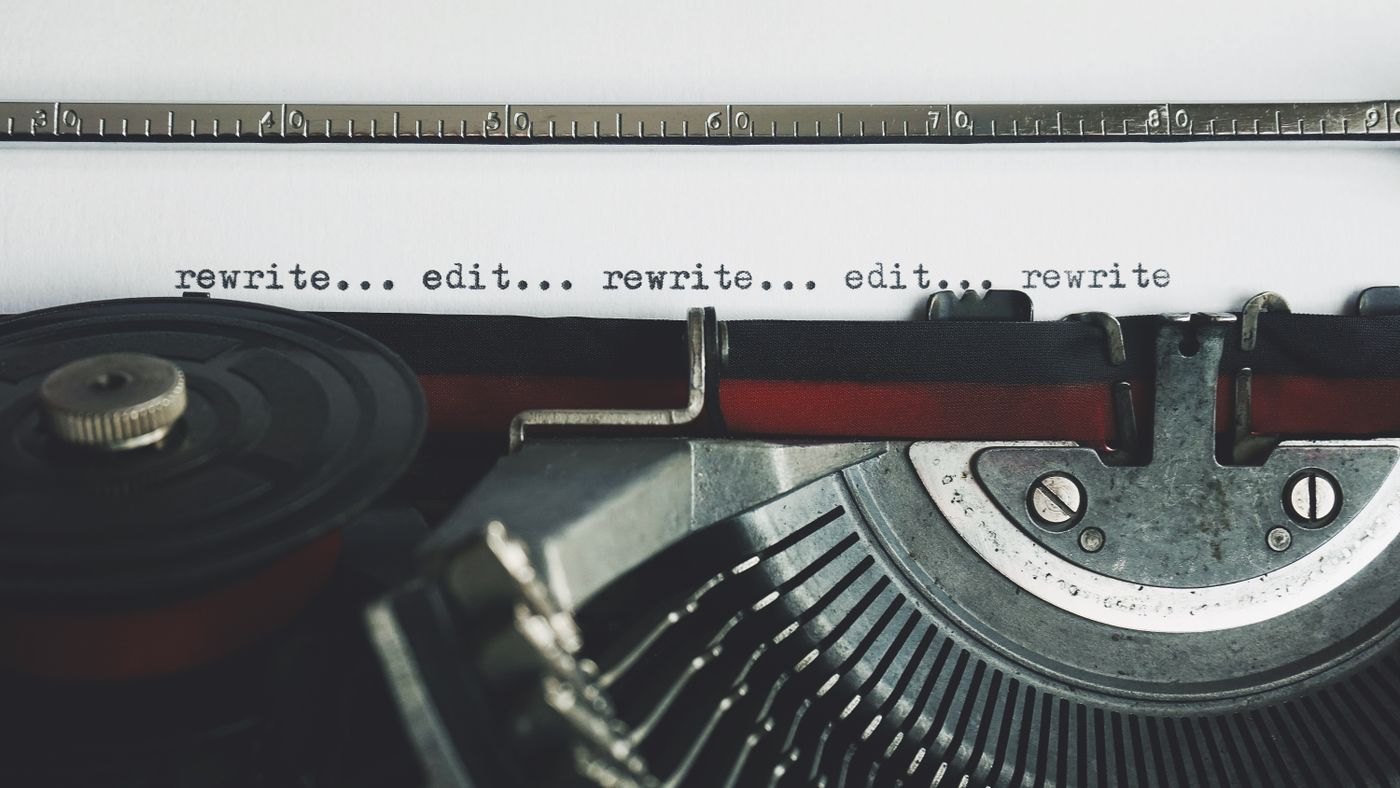
A first draft is complete when the whole work can be read and assessed, even though many local decisions remain provisional.
Editing
Turn a broad sense that the manuscript needs work into a short sequence of decisions, with structural changes placed before local corrections.

Editing
Describe what each existing section does, then use that map to test the manuscript’s actual sequence.
Editing
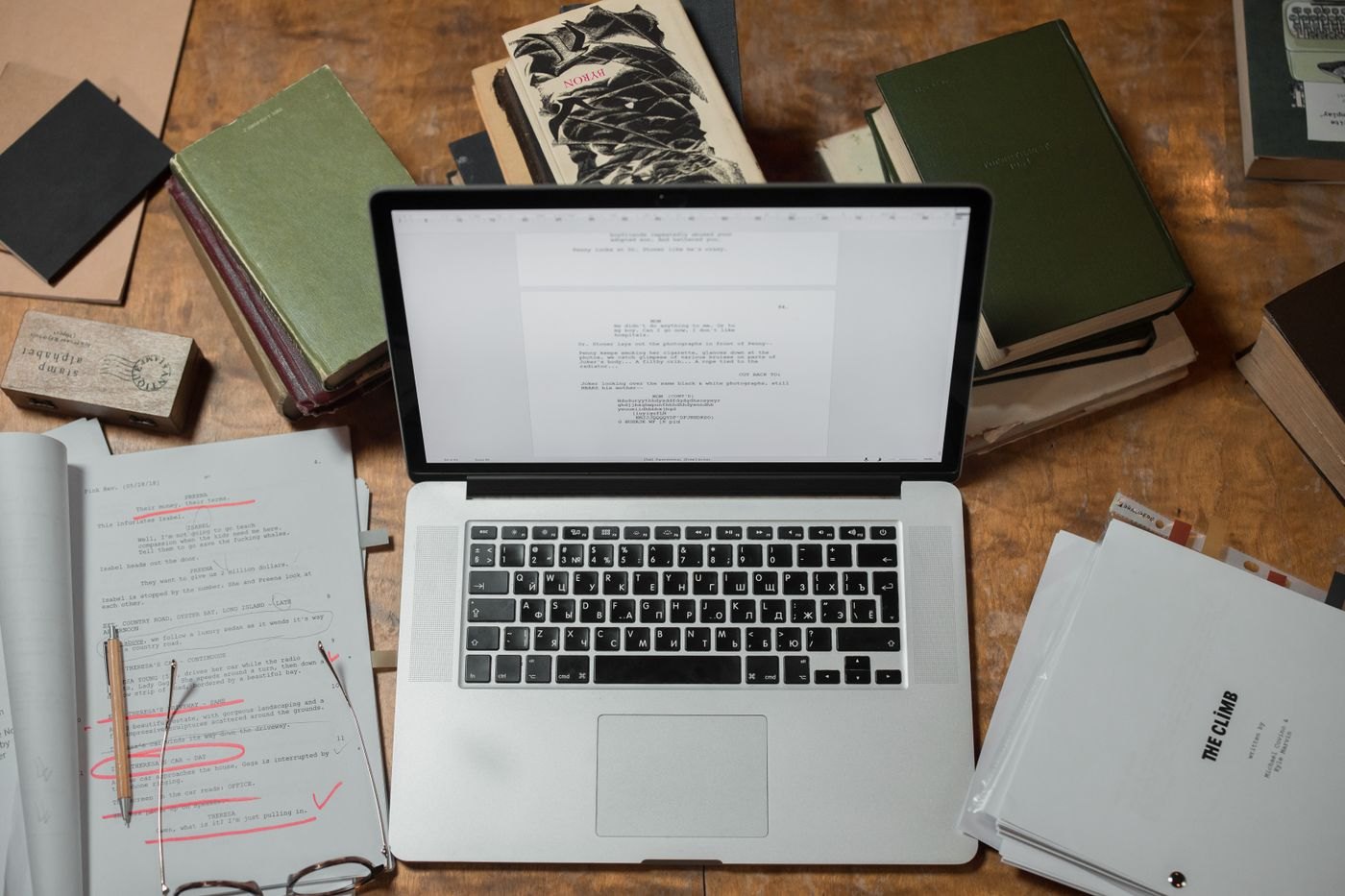
Look beyond individual sentences when readers cannot follow the manuscript’s central movement, even though they understand its separate parts.
Editing
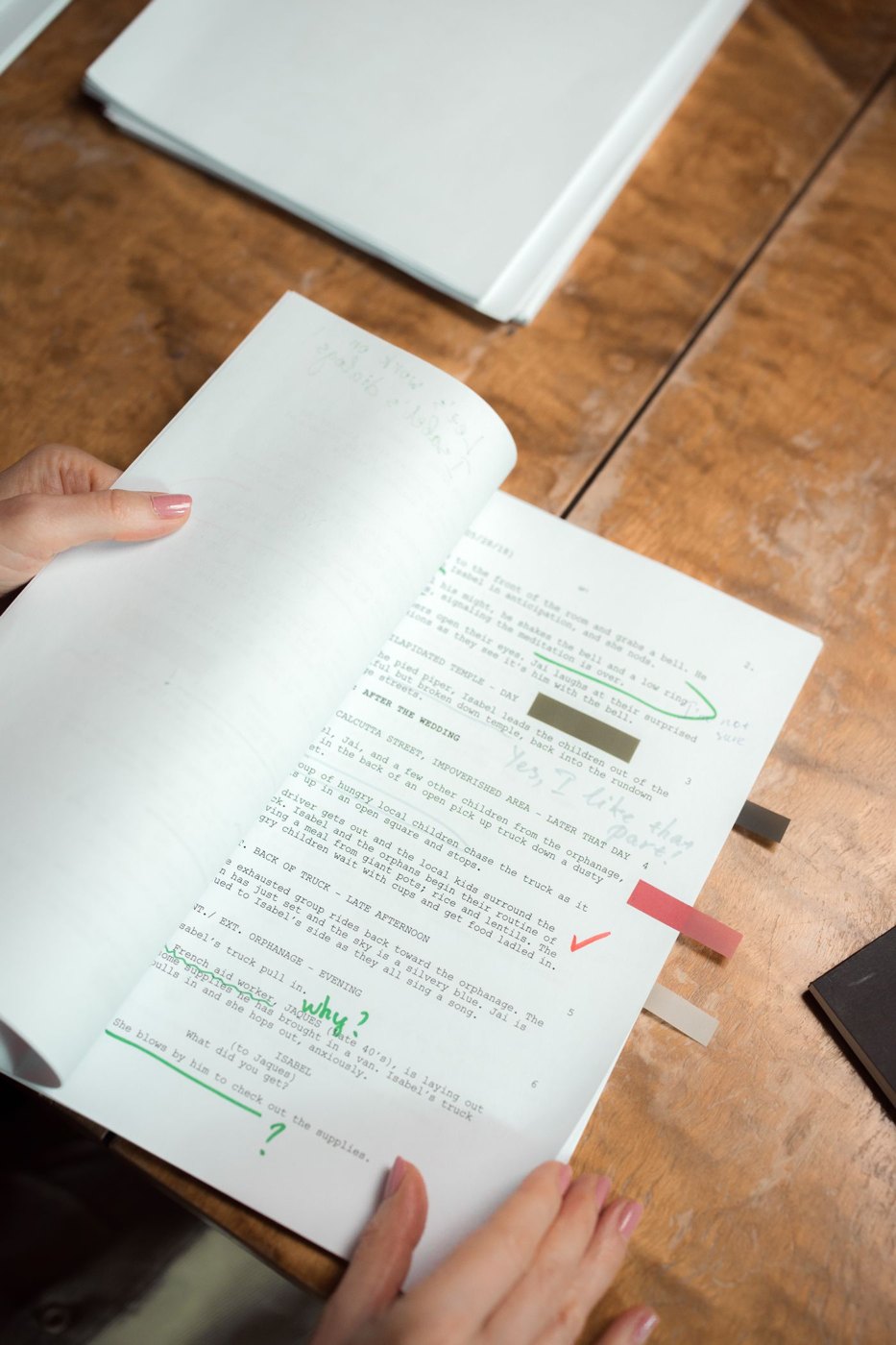
A focused scene audit follows the immediate aim, the resistance it meets and the situation left behind.

Editing
Repeated wording is easy to spot; repeated argumentative work requires a closer look at what each passage contributes.
Editing
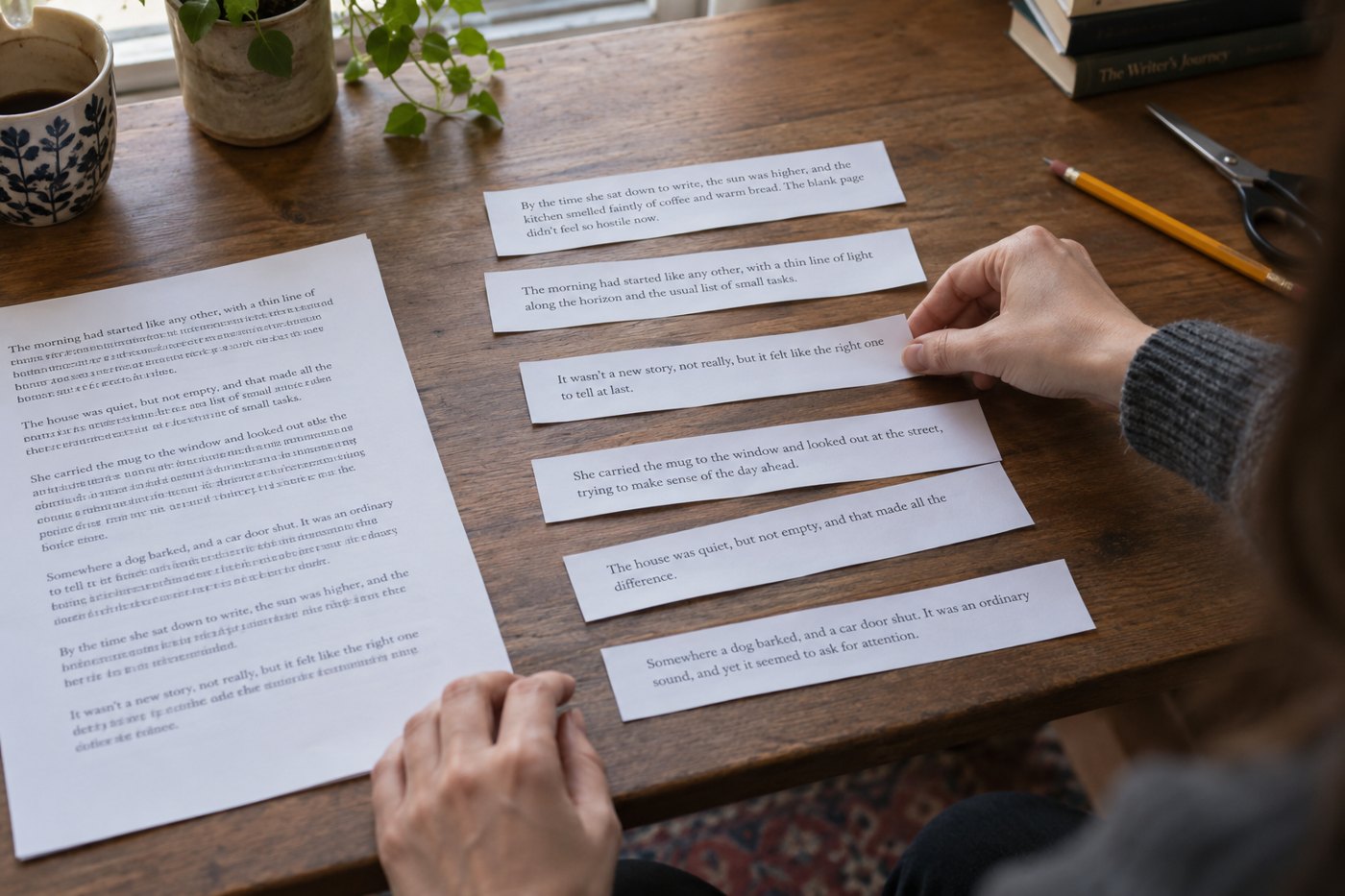
Paragraph order becomes easier to judge when you examine the job of each block before revising its sentences.

Editing
Sentence rhythm comes from the movement of thought as well as the length of the lines on the page.

Editing
Reading aloud can expose awkward movement and missing words, provided you listen to what is written rather than silently repairing it.
Editing
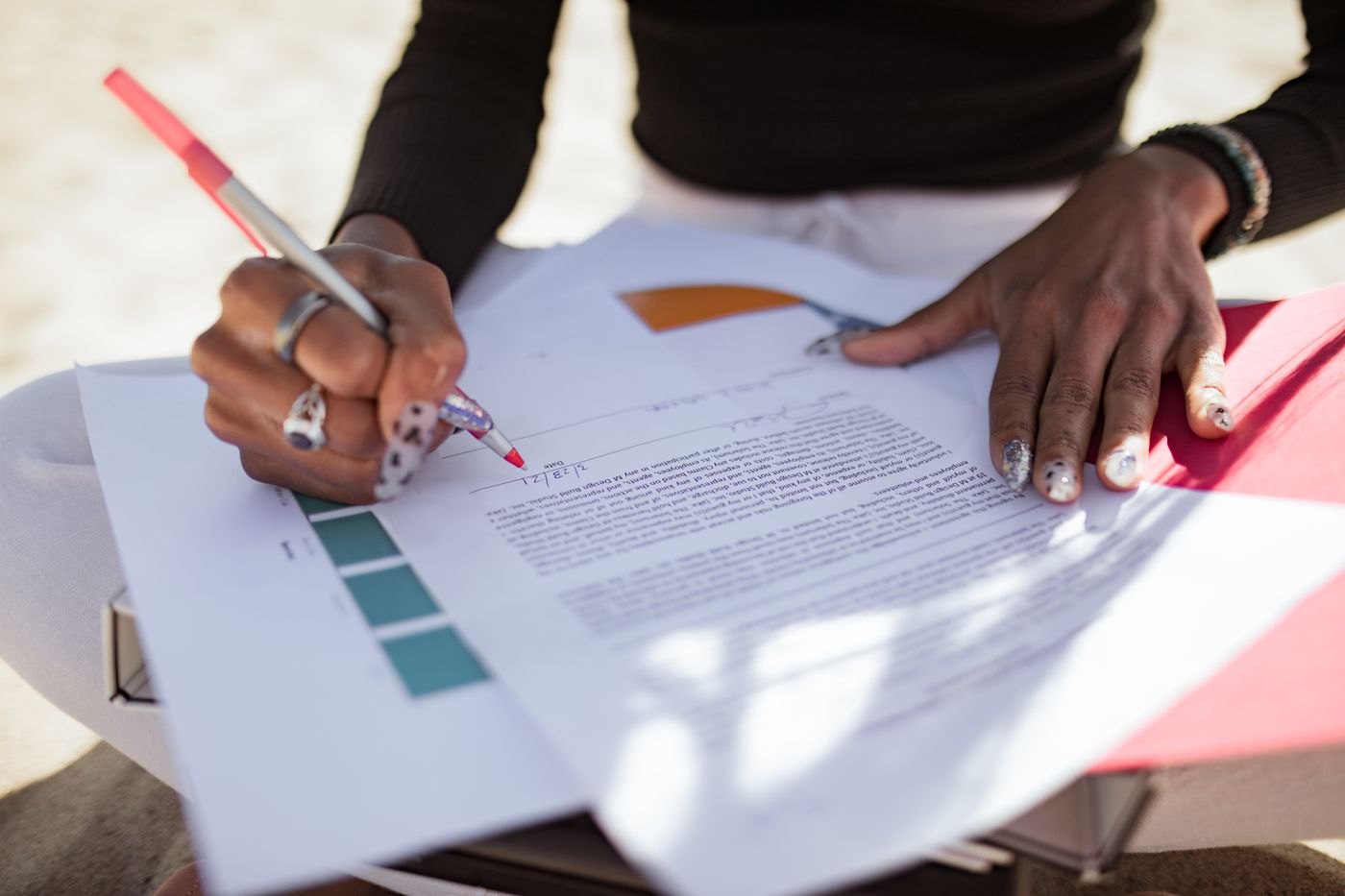
A line edit examines how the prose delivers meaning, emphasis and voice once the larger shape of the manuscript is reasonably settled.

Editing
Choose an editorial pass by the state of the manuscript and the decisions that remain, then describe the required work explicitly.
Editing
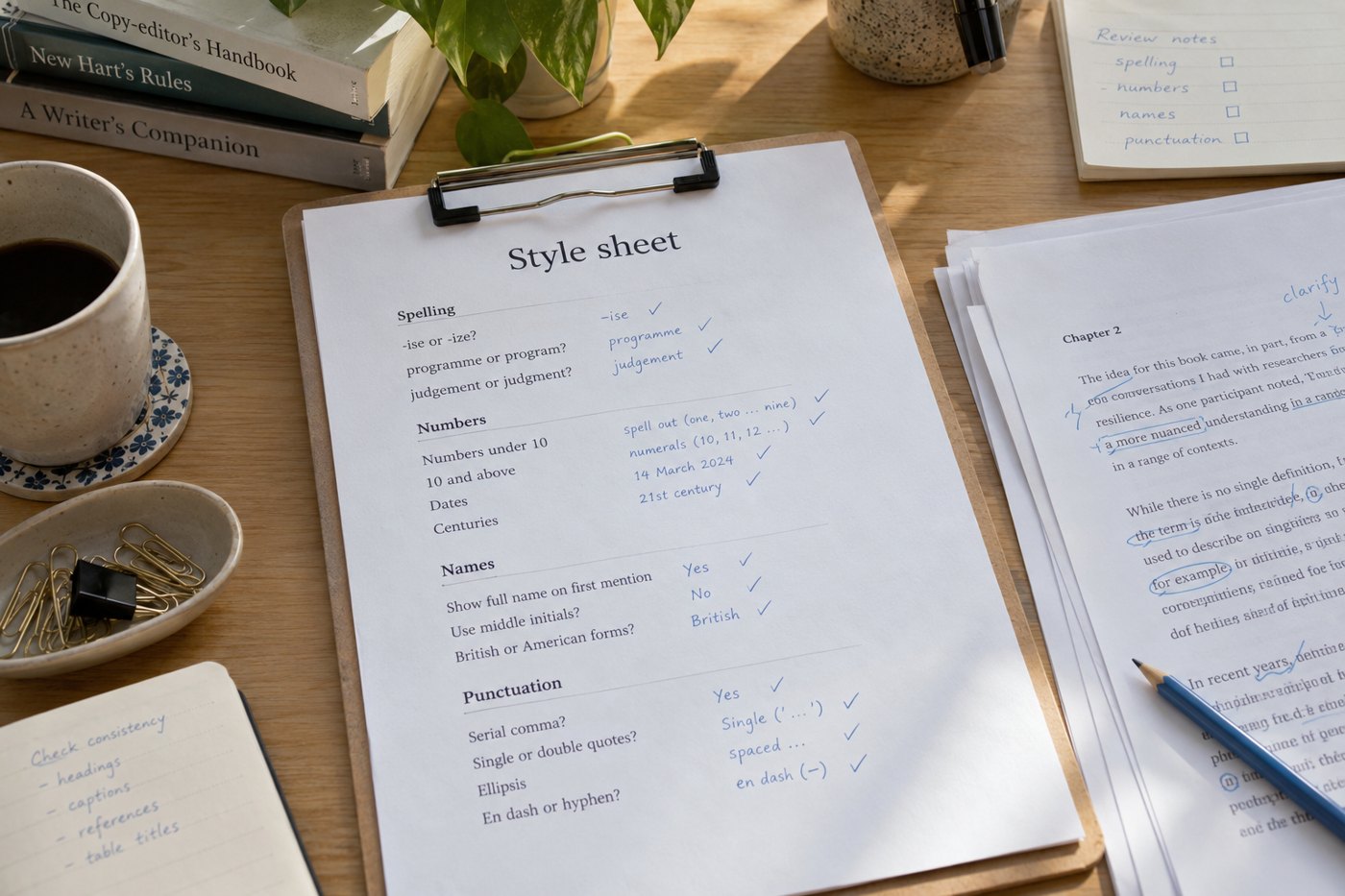
Record the choices that are specific to the manuscript, with enough context for someone else to apply them consistently.
Editing
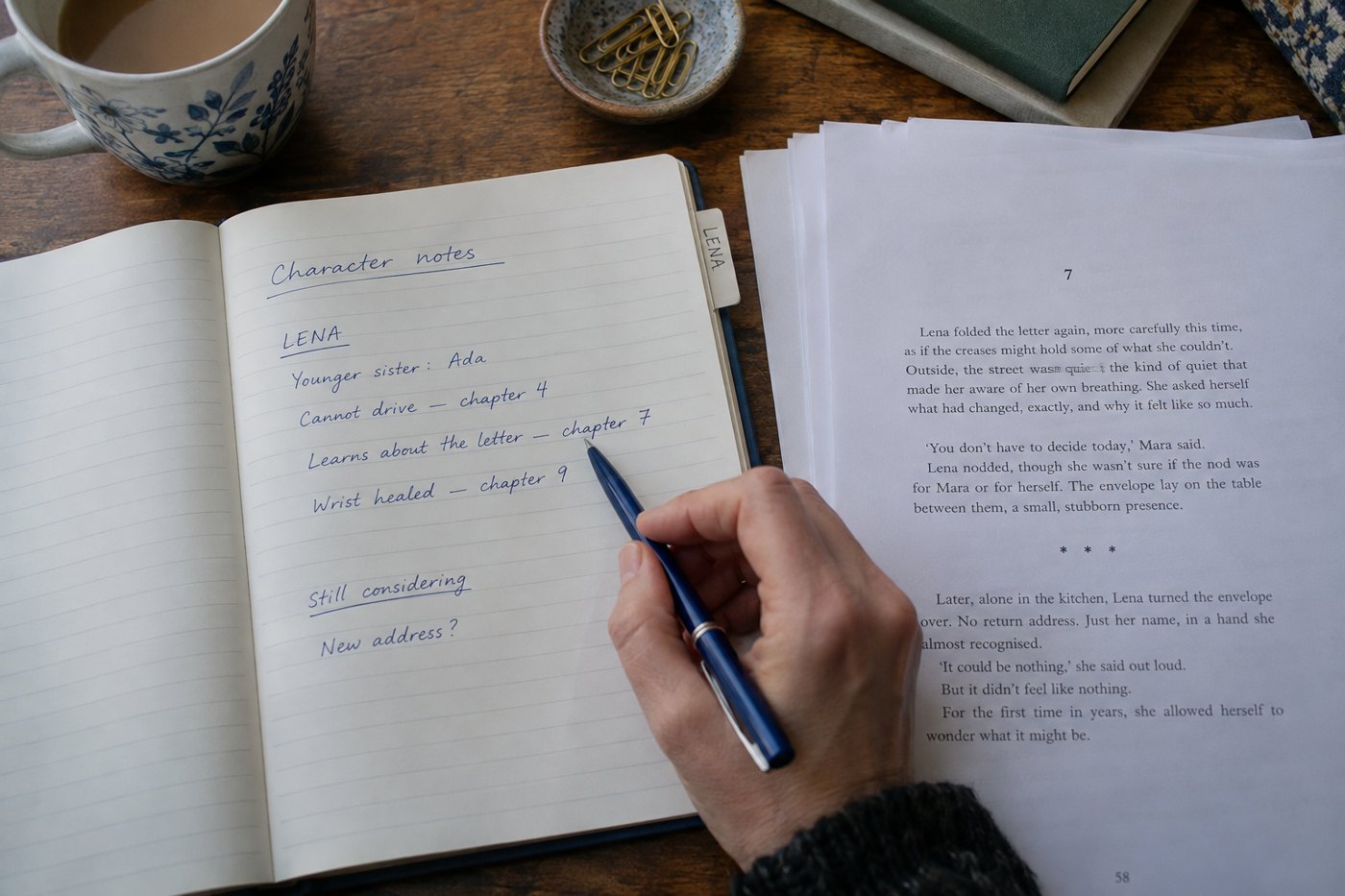
A small continuity record can save a long search. Record the details that constrain later scenes, rather than everything you know about the cast.
Editing
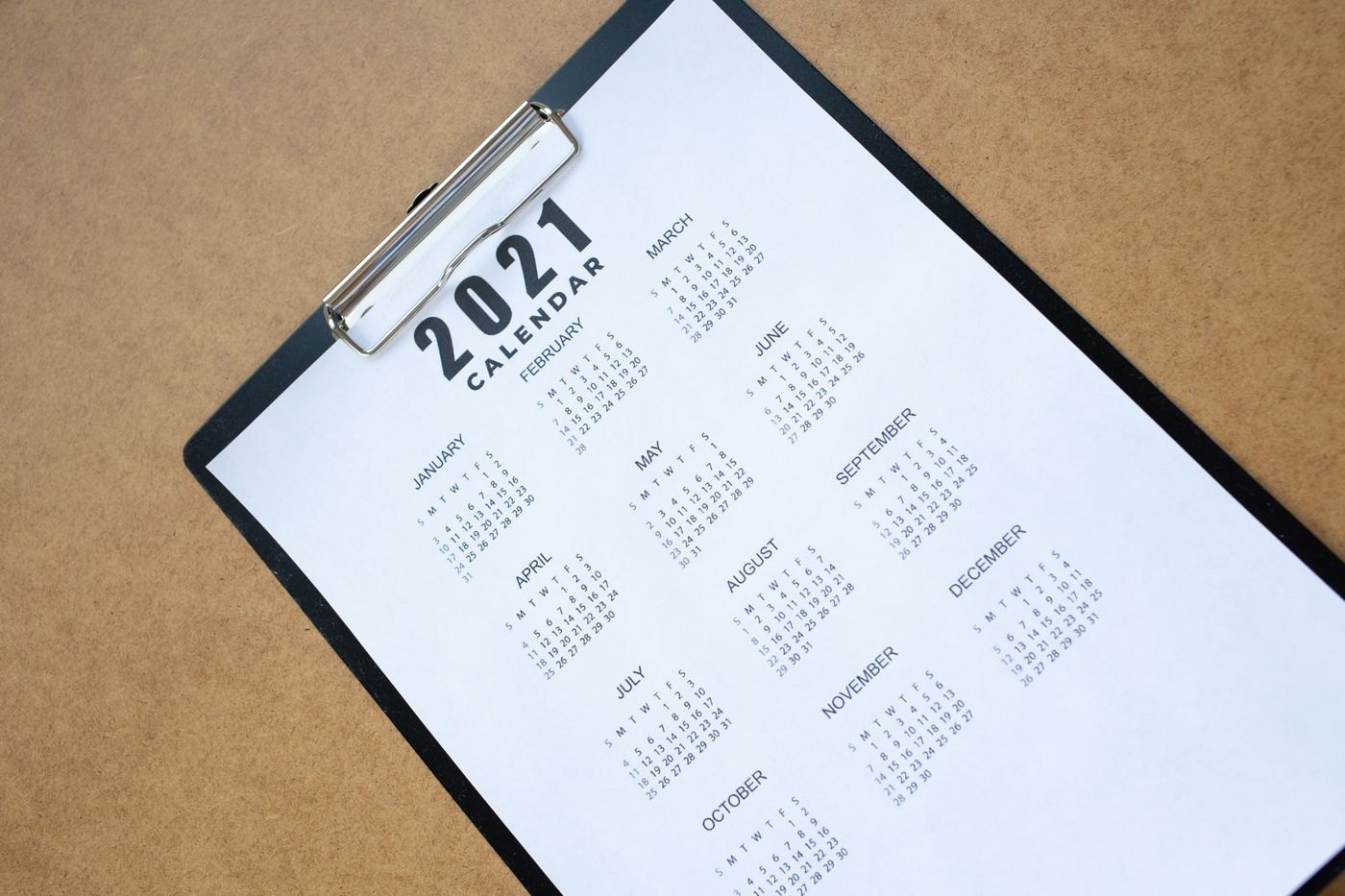
Dates, travel and elapsed time can contradict a story even when each scene reads well. A separate chronology makes those clashes easier to find.

Editing
Treat figures as claims that have to agree with their context. A number check includes units, dates, comparisons and the calculations behind the sentence.
Editing
A spelling check may accept the wrong name without complaint. Give people, places and technical vocabulary a pass based on sources and consistent usage.

Editing
Check the words, but also the boundaries and context of a quotation. A faithful transcription can still give readers the wrong impression.

Editing
A source note needs to travel with the claim it supports. Store enough context to understand it after chapters have moved and links have changed.
Editing
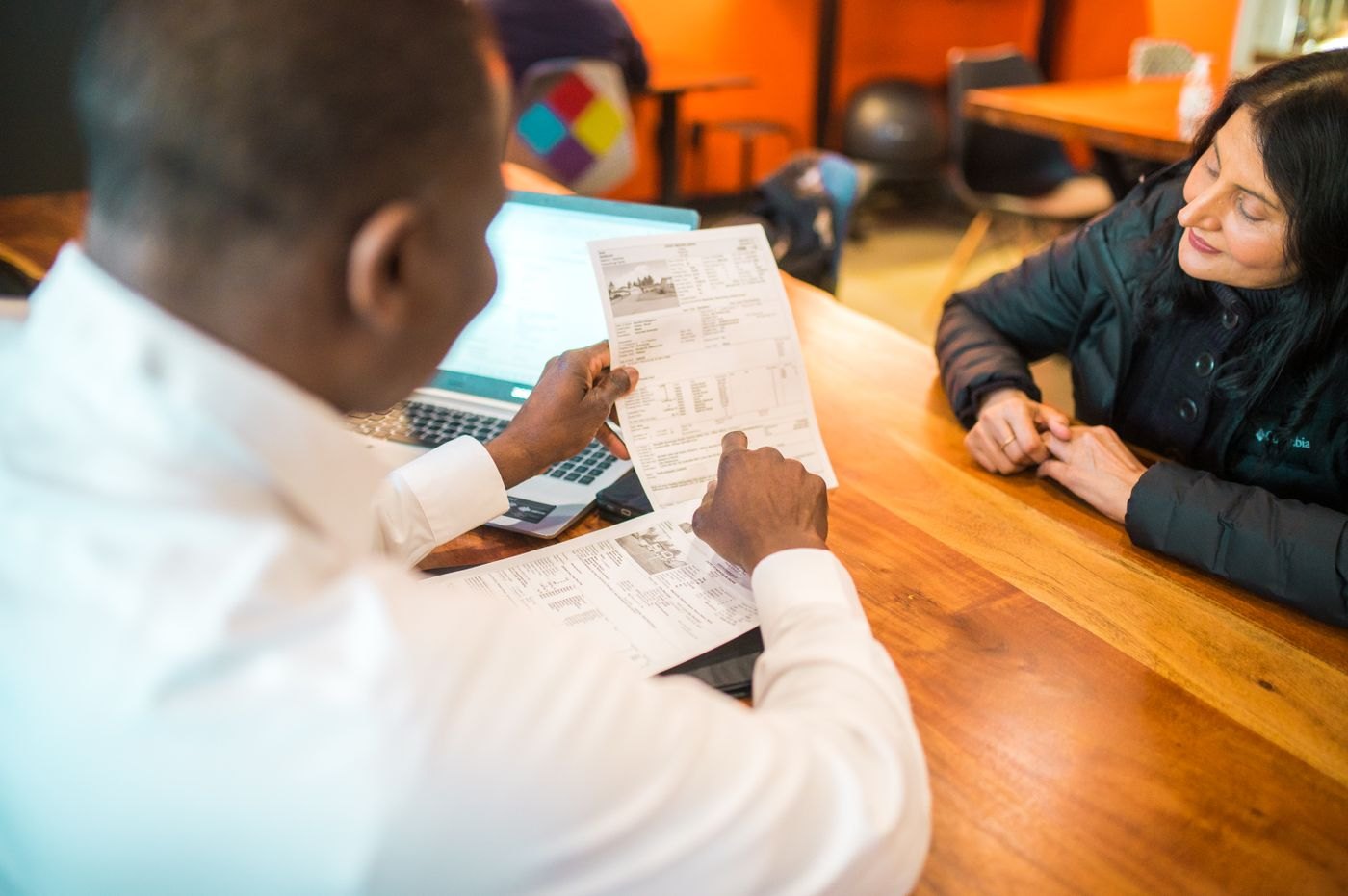
A useful brief explains the manuscript, the work you need and what will be handed back. It also makes the edges of the job visible before anyone begins.

Editing
A short sample can reveal how an editor approaches your sentences. It cannot show every problem in a book or replace agreement about the full assignment.

Editing
An editor needs an answer that can be applied to the manuscript. Make the wording, location and final decision clear, especially when a query has several parts.
Editing
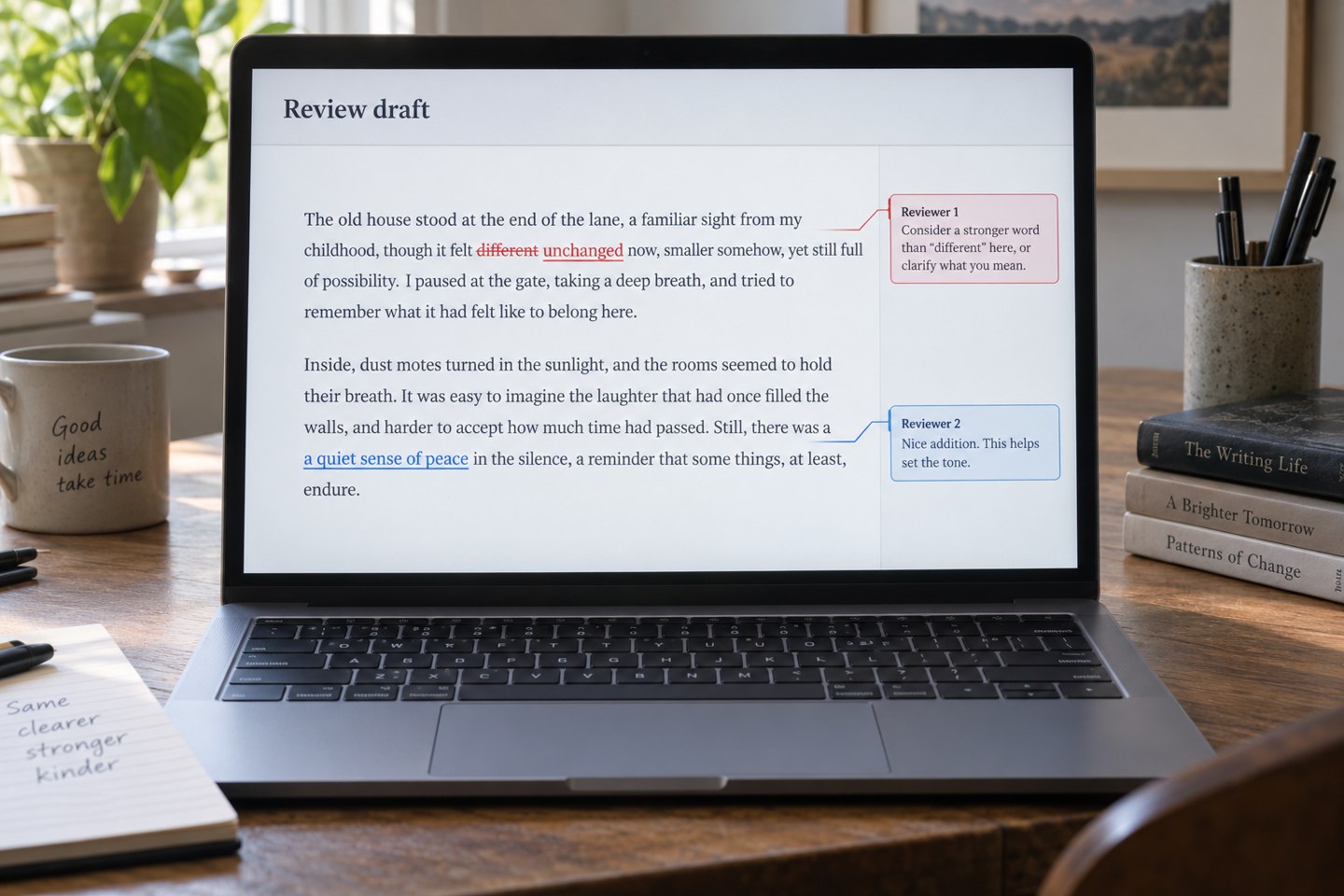
A considered review preserves the reasons behind an edit and leaves a readable, agreed manuscript.

Editing
Conflicting feedback becomes easier to use when you separate a reader’s experience from their proposed repair.
Editing
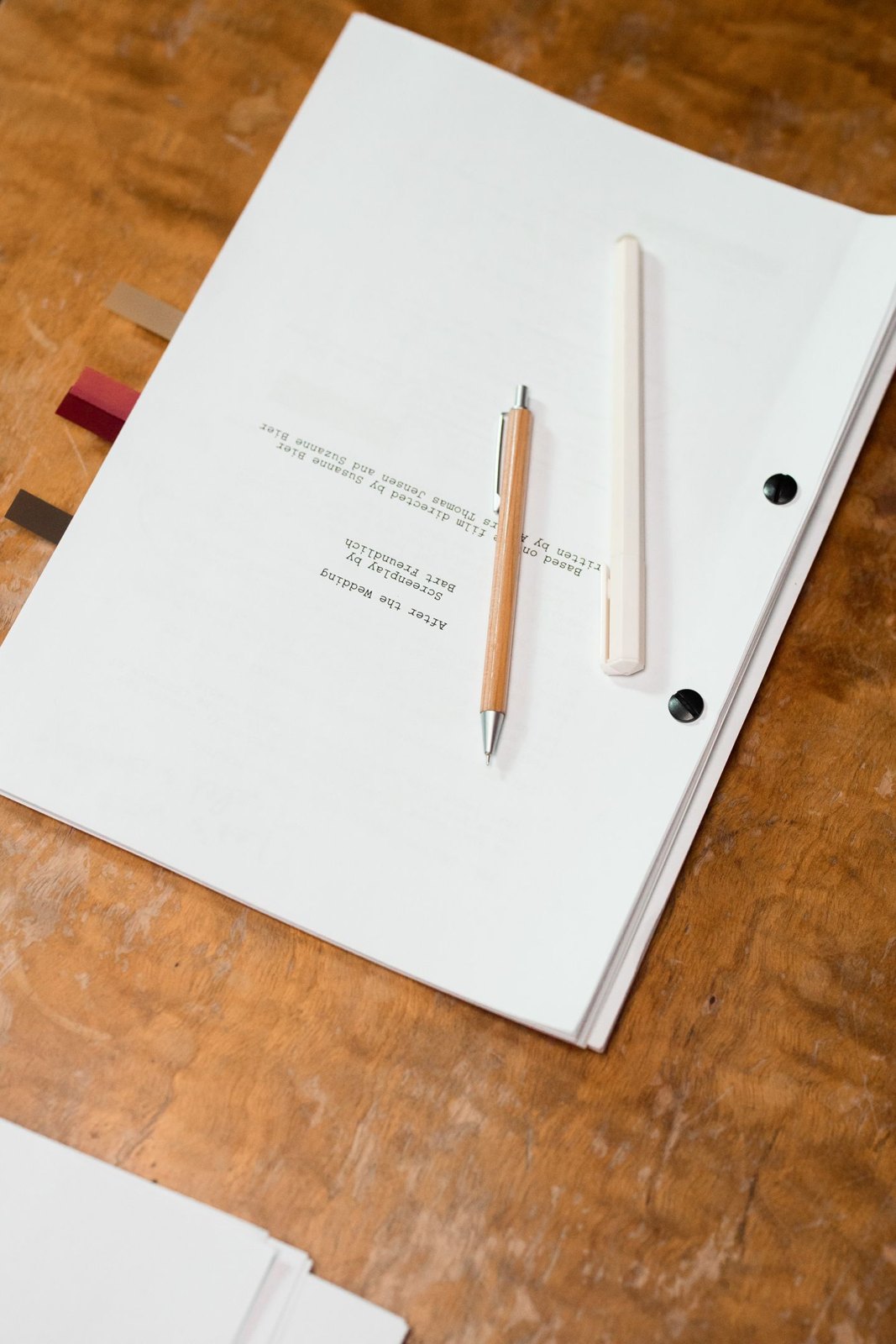
Distance helps you notice what the page actually contains, provided the pause has a clear return point.
Editing
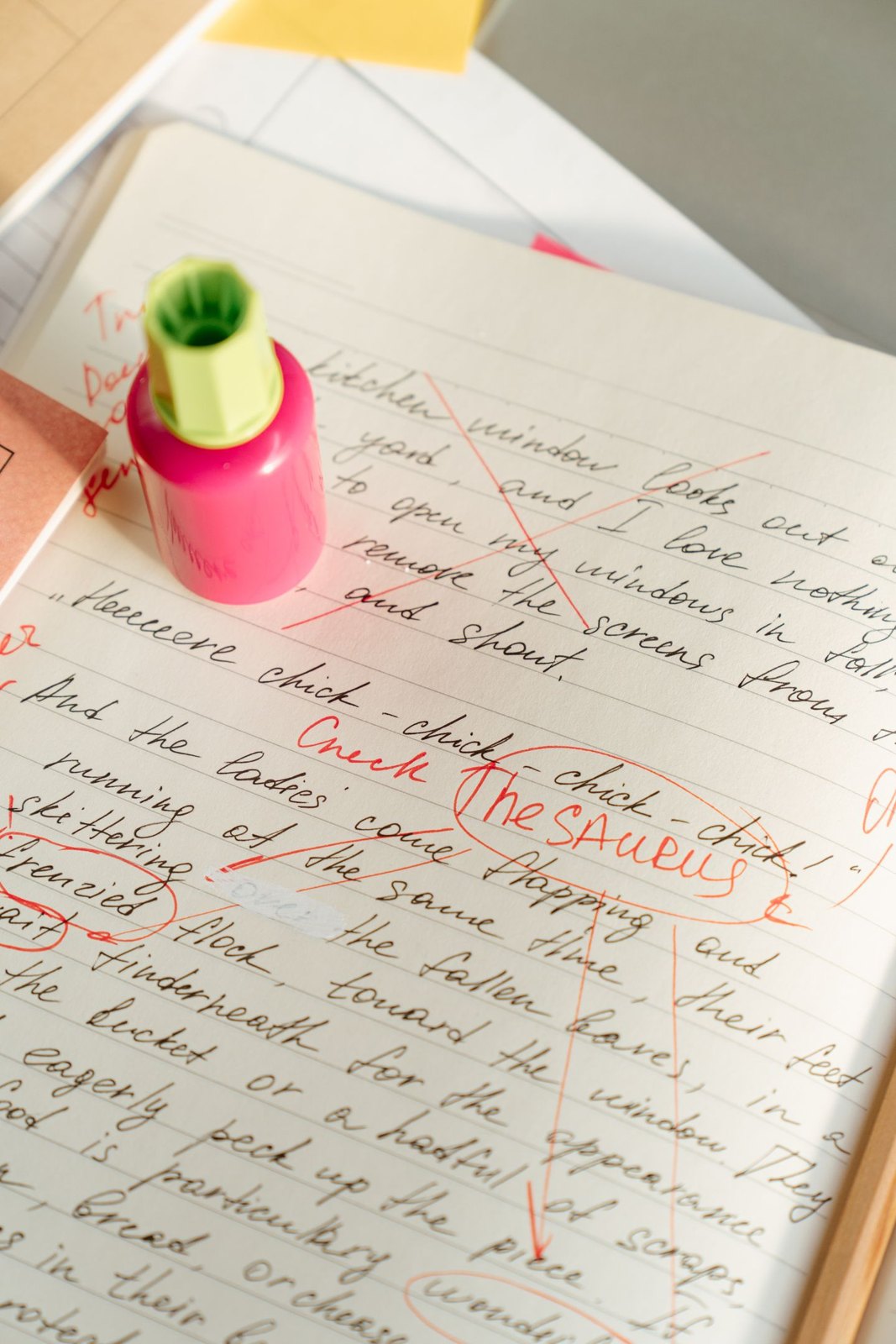
Test a cherished passage by what it contributes to this book, then consider placement and scale before cutting it.

Editing
A small record of positions, possessions and movement can prevent actions that the reader cannot physically follow.

Editing
A final proof pass works best when the text is stable, the checking tasks are distinct and every correction can be verified.

Editing
Paper can change how you read a draft; a controlled transfer process keeps its corrections from becoming a second version.

Editing
At proof stage, distinguish a necessary correction from a new preference and assess the consequences before changing the file.

Editing
A clear handover gives an editor one authoritative manuscript and a short account of what the assignment covers.

Editing
Match early readers to specific questions, give them a manageable brief and treat their responses as evidence about the draft.

Editing
A useful conversation identifies the material, the editorial question and the limits of the review.
Editing
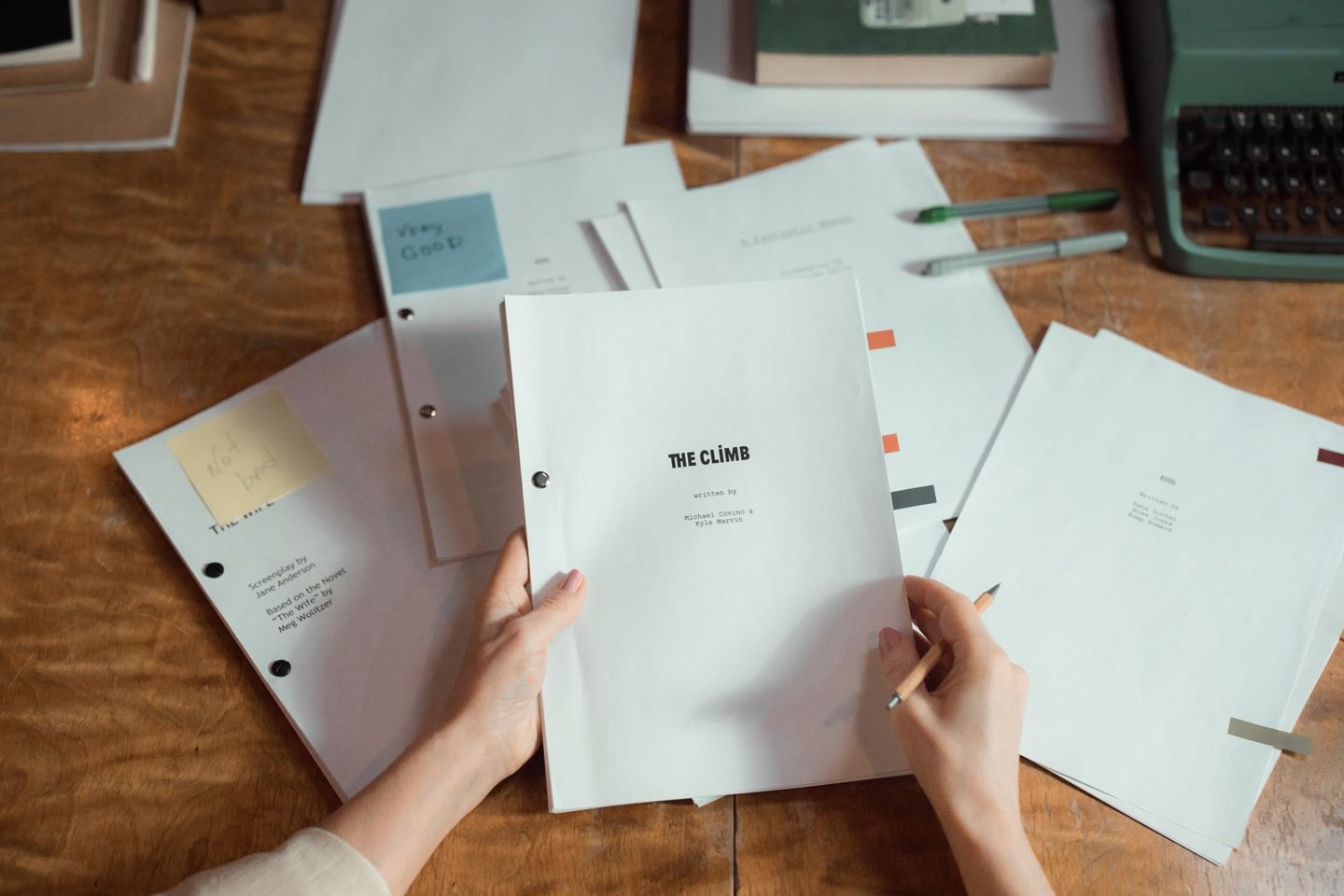
Revision can stop when the draft meets the needs of its next stage and its remaining questions have been consciously resolved.

Publishing
Compare who makes decisions, who pays for the work and how readers will obtain the book before choosing a route.

Publishing
A query introduces the book, establishes its fit and gives the recipient a clear reason to read the requested material.

Publishing
A synopsis reveals how the story develops and ends, with enough cause and consequence to make the shape intelligible.

Publishing
Treat submission instructions as a specification for this recipient, then check the actual package against it.

Publishing
A shortlist should connect each agent’s stated interests with the book you have written and the stage it has reached.

Publishing
A small record of what you sent, when you sent it and what happened next is enough to prevent most submission confusion.

Publishing
The kind of response you received determines what it can tell you—and what it cannot.
Publishing
A full request calls for the requested manuscript, a clean handover and an accurate record of any conditions attached to it.

Publishing
A proposal explains the book’s idea, audience, structure and evidence, while sample writing demonstrates how that plan will become a readable work.

Publishing
Comparable books help explain readership, approach and position when the comparison is specific and based on reading.
Publishing
A short biography works when each fact helps a reader understand the author’s connection to the work.
Publishing
Organise a self-publishing project around dependencies, so each stage receives the decisions and files it needs.

Publishing
A useful budget names the work, defines what each quotation includes and shows when cash will be needed.

Publishing
A publication date should follow the production dependencies and the date readers need to obtain the book.
Publishing
An ISBN identifies a particular publication product, so format and edition decisions matter when assigning one.
Publishing
An imprint name should be easy to use consistently across the book, publication records and future titles.
Publishing
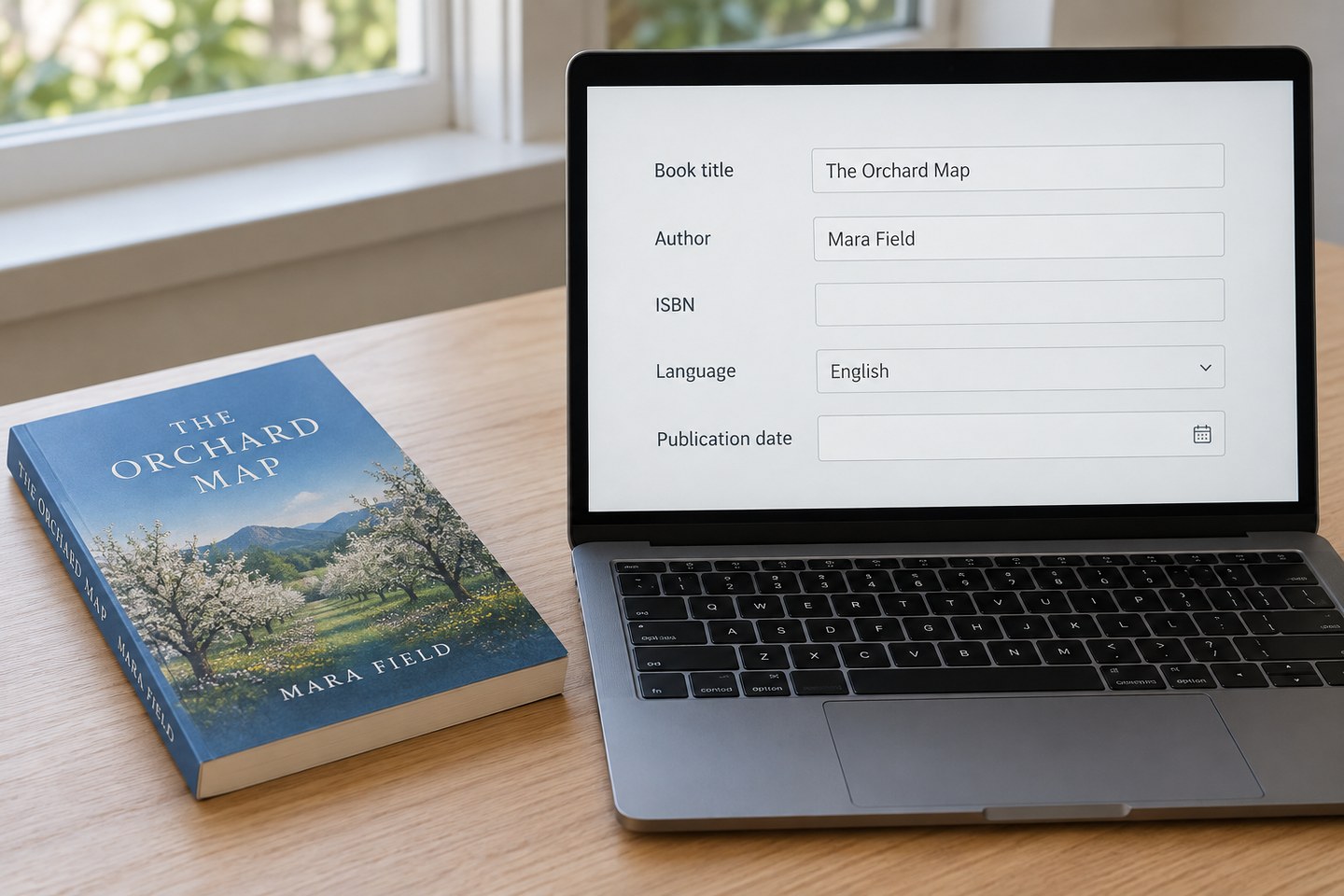
Keep one approved record of the information that describes each edition, then check every upload and listing against it.

Publishing
Use categories and keywords to describe the book a reader will actually receive.

Publishing
A description should help the right reader recognise the book’s central promise without turning into a synopsis or a list of claims.

Publishing
Print on demand changes when copies are manufactured; the book still needs prepared files, a checked proof and a route to readers.

Publishing
A print quotation needs more than a quantity. Make the specification, delivery arrangements and approval process clear before comparing offers.

Publishing
A proof copy is a chance to inspect the book as an object as well as a text. Work through it with the approved files and a clear correction record.

Publishing
Prepare the book file, cover and listing information as one release. Preview the converted result before treating an accepted upload as a finished ebook.

Publishing
A distribution route makes ordering possible. Promotion gives a particular reader, bookseller or librarian a reason to consider the book.

Publishing
A bookseller needs enough information to assess the book and understand how to obtain it. Prepare that information before making a short, relevant enquiry.
Publishing
Make a library enquiry about the book’s relevance and availability. Start with the library’s own acquisition process, and keep event proposals separate.

Publishing
An offer is the start of a detailed conversation. Gather the full terms, identify what you do not understand and have the actual agreement reviewed before signing.

Publishing
A rights record helps you locate the agreement behind a use of your work. Keep it factual, linked to documents and clear about unresolved questions.
Publishing
A changed file is not always the same thing as a new edition. Describe the revision first, then check the identifier and listing requirements that apply.

Publishing
Paperback, hardback and ebook releases can drift apart. A format-by-format publication record makes it easier to check listings and manage later corrections.
Book design
Trim size affects the page, the reader’s experience and the production file. Choose it with the book’s content and printing route in view.

Book design
Margins shape how a book is held and read. Test the text block as a spread, allowing for the binding as well as the visible white space.

Book design
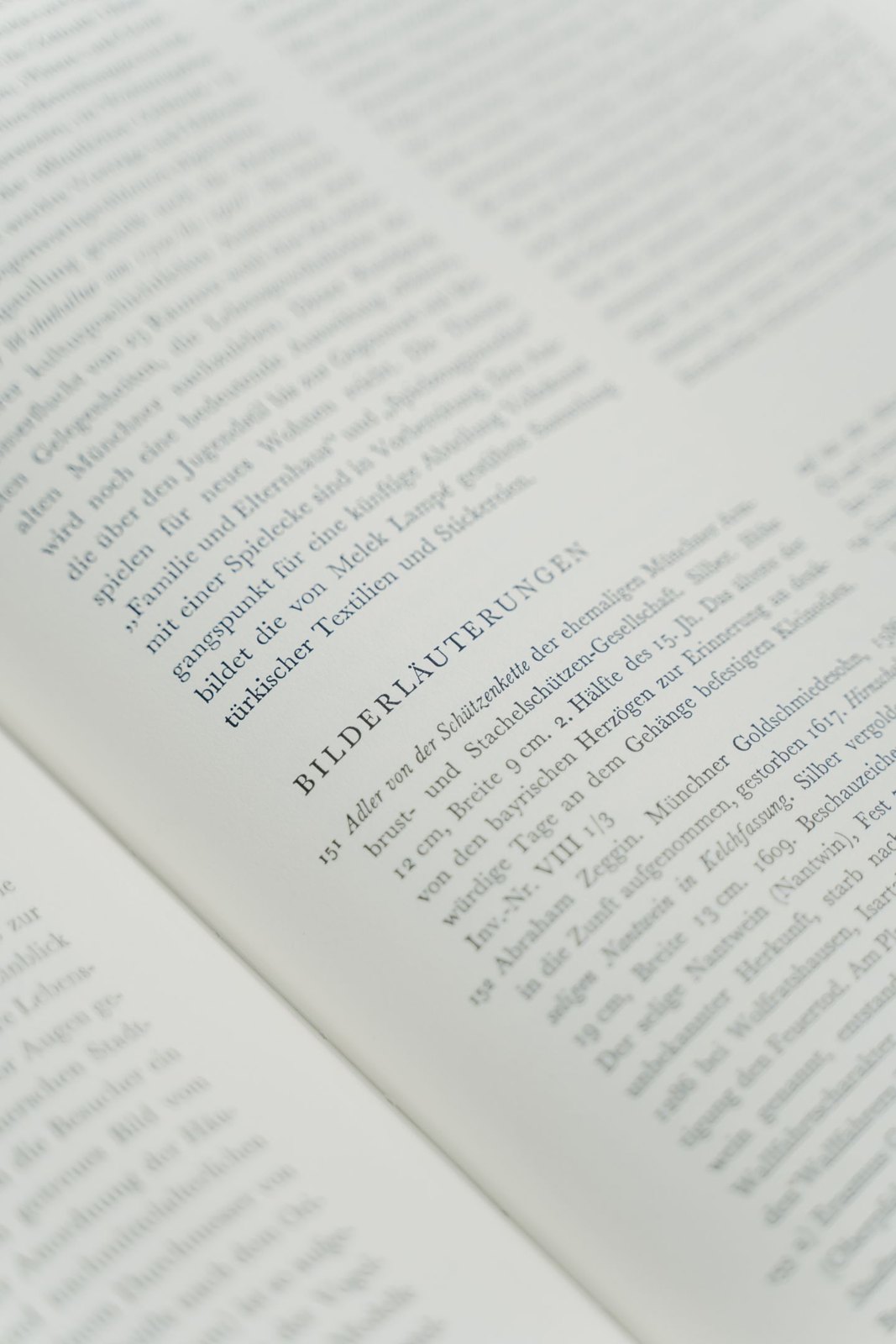
Body type has to work across many pages, not only in a specimen sentence. Compare candidates using the actual prose and the characters the book needs.
Book design
Type size, line length and line spacing work together. Change them as a system and compare printed samples before settling the reading page.
Book design
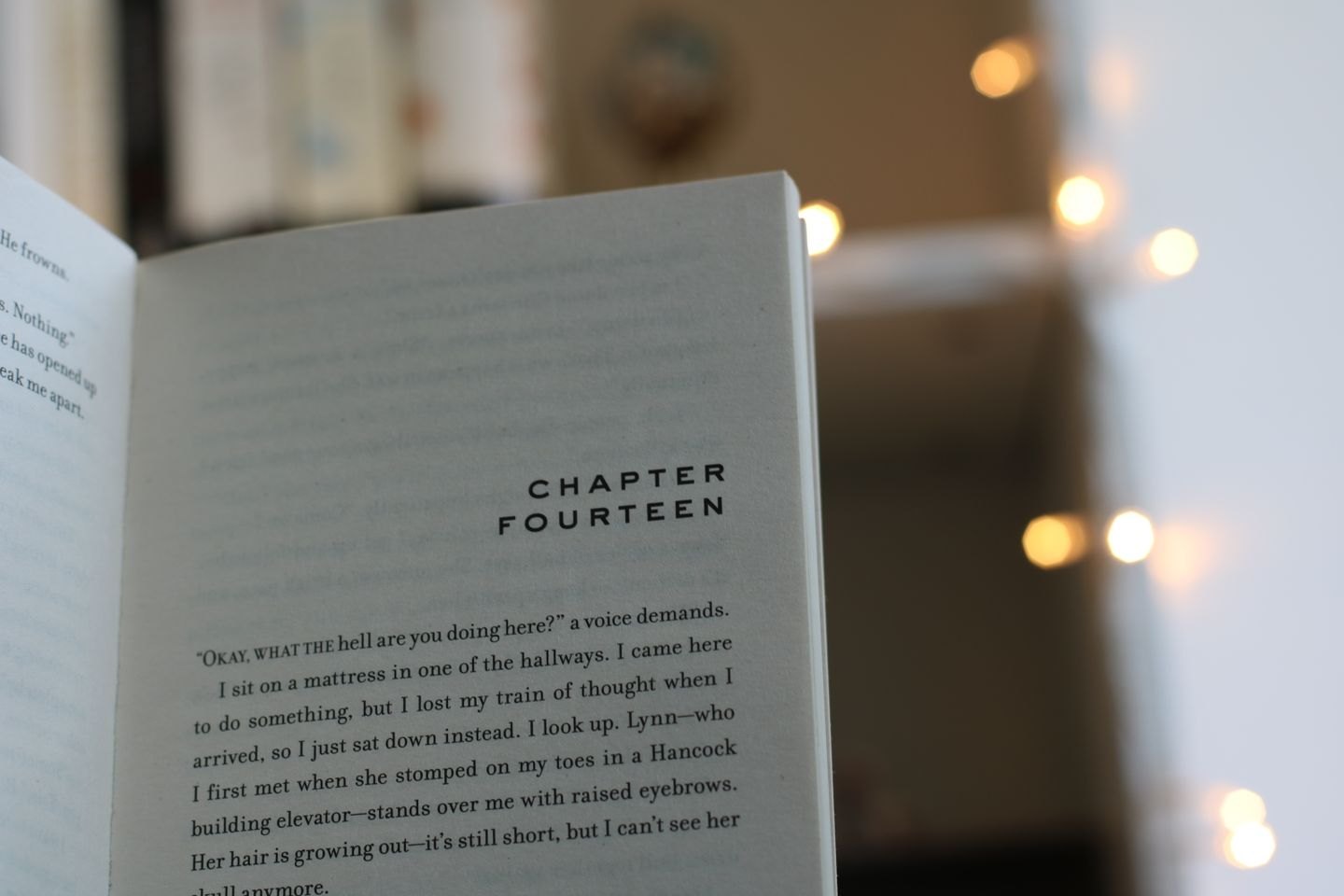
A chapter opening should make the transition clear and belong to the rest of the book. Build it around the actual heading material, including the awkward cases.
Book design
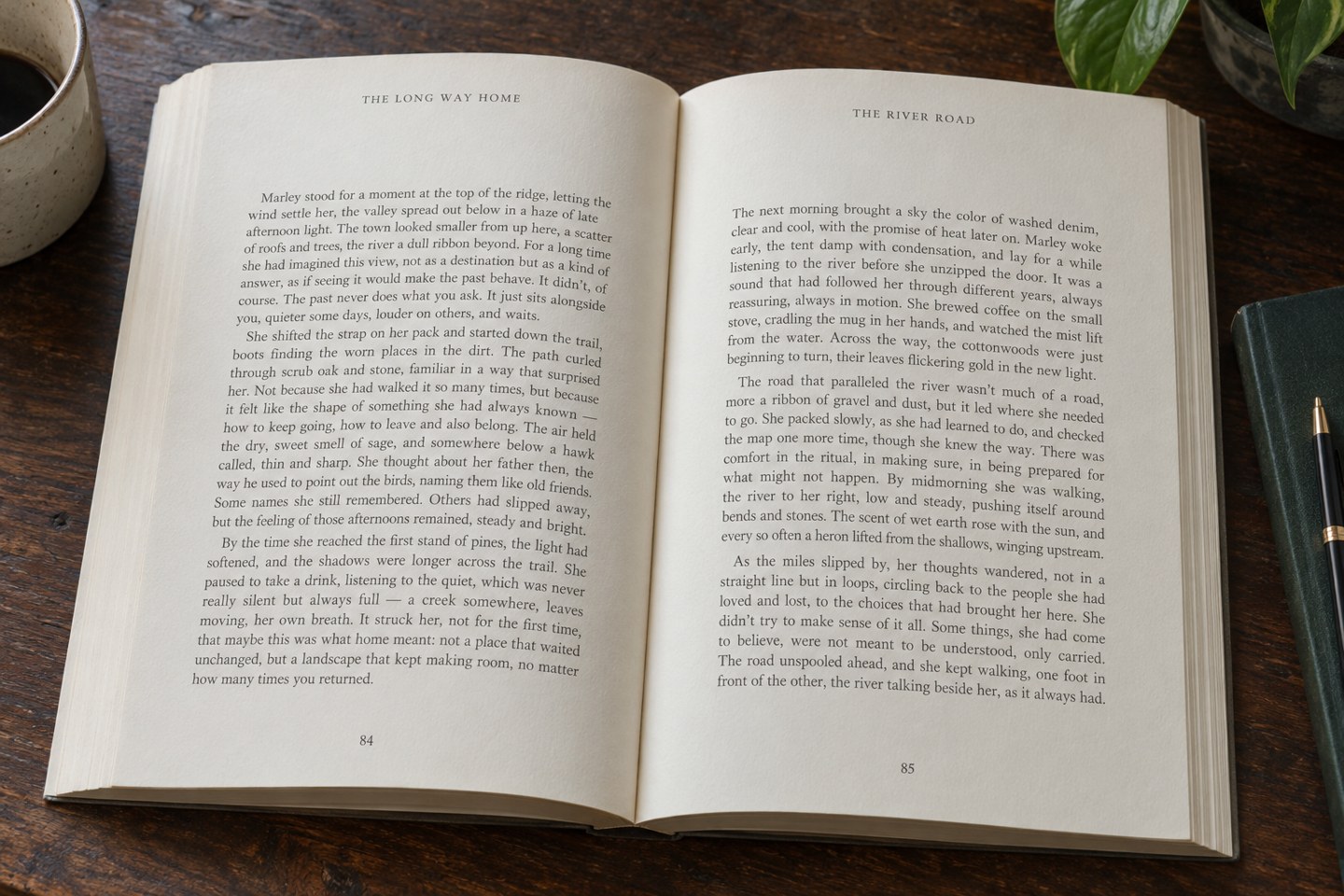
Running heads should give useful orientation while remaining visually subordinate to the text.
Book design
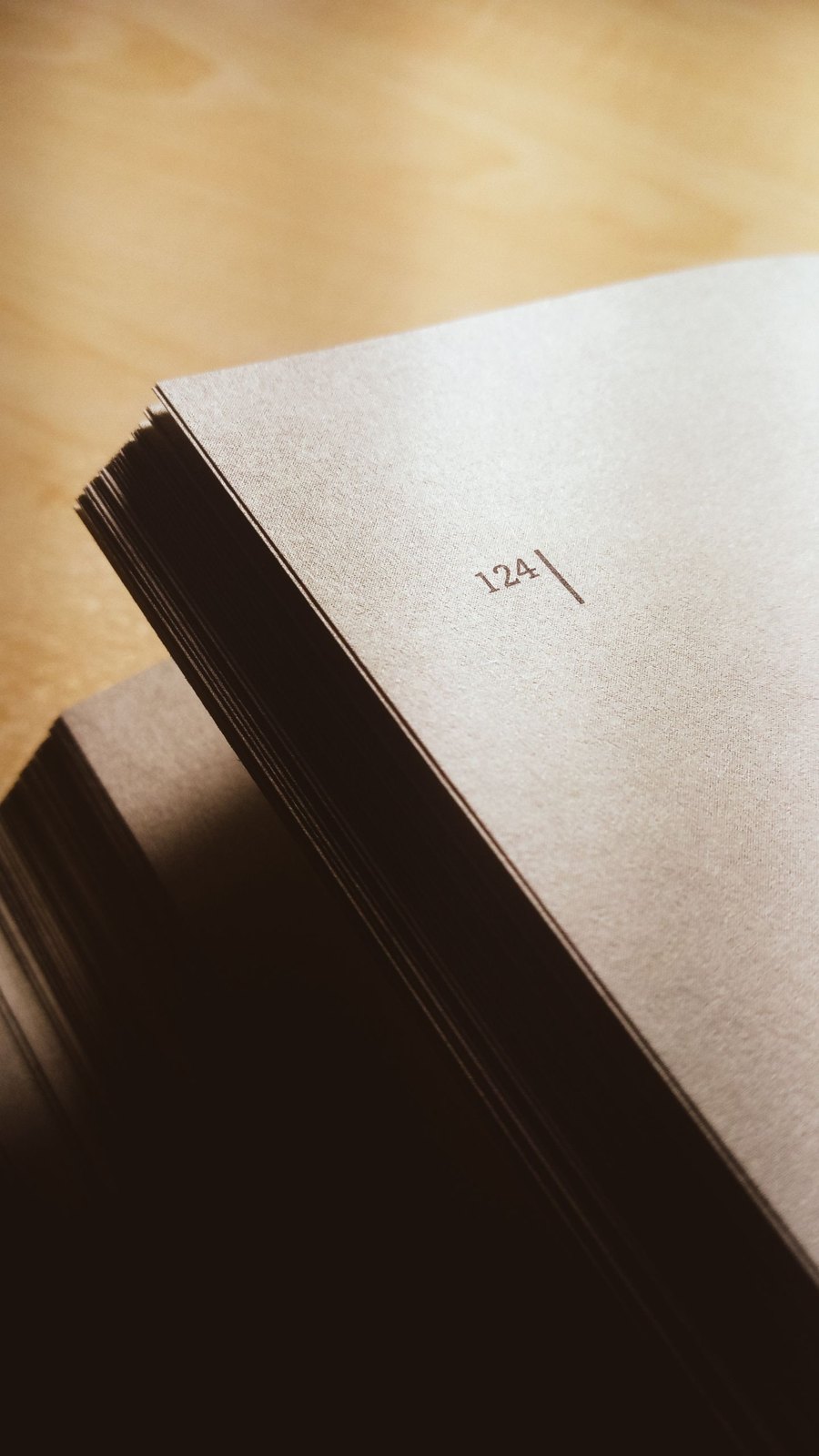
Plan the numbering sequence before layout, then distinguish counted pages from pages that display a number.
Book design
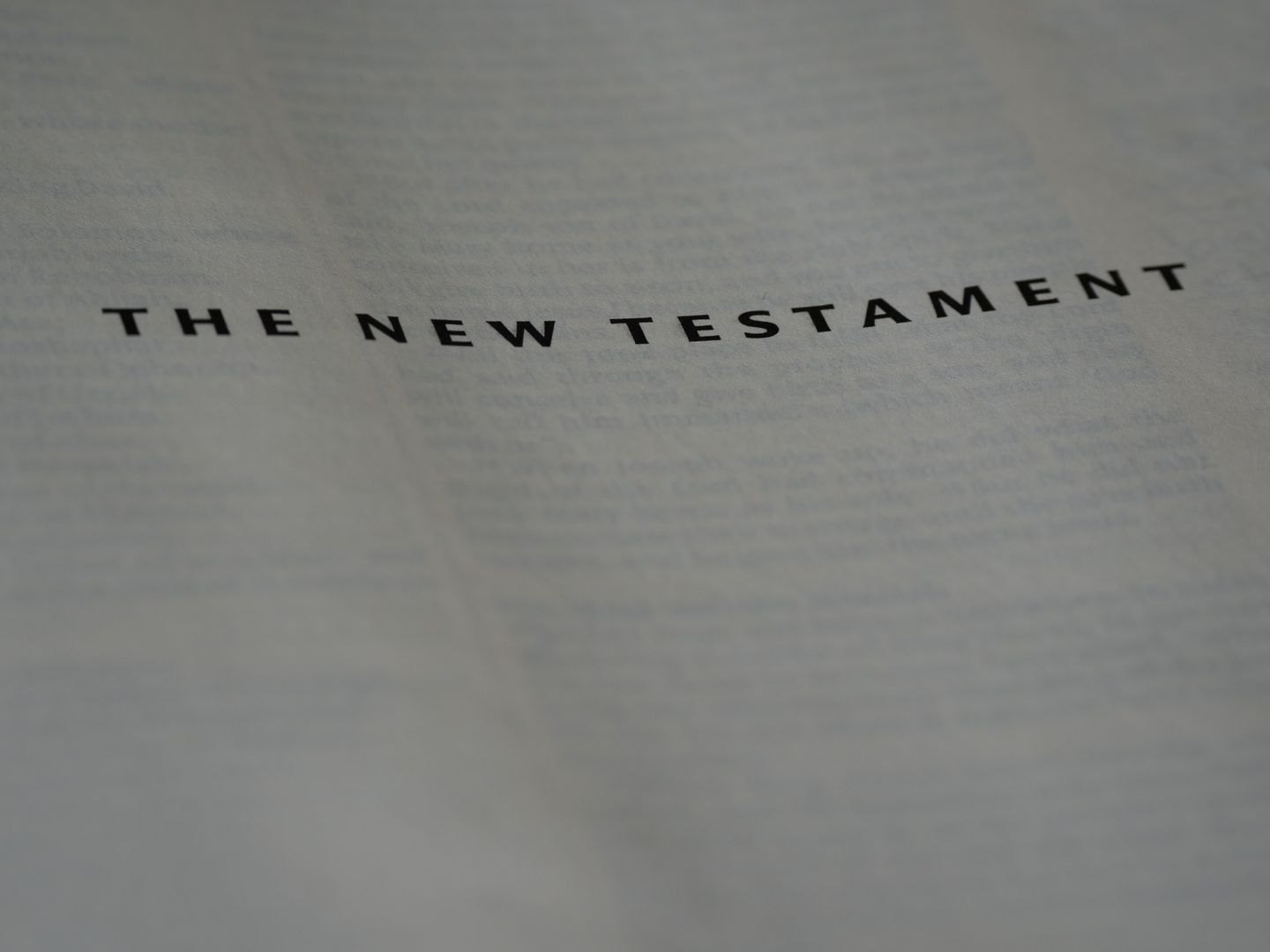
Front matter should identify the book and prepare the reader without postponing the text unnecessarily.

Book design
The material after the main text should support further reading, verification or use of the book.
Book design
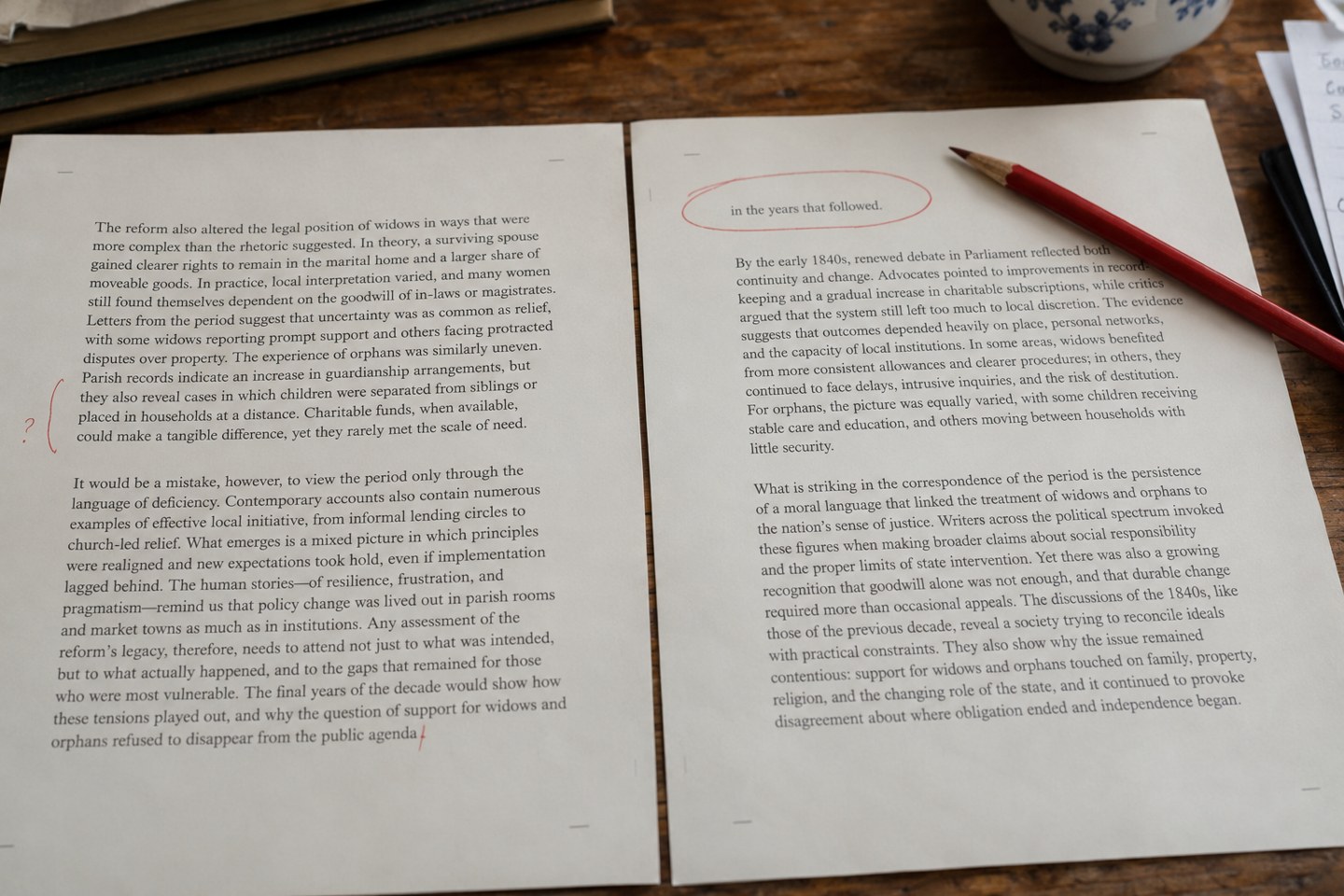
An isolated line can interrupt the page, but forcing it elsewhere may create a worse problem. Review the paragraph and its neighbours before choosing a fix.
Book design
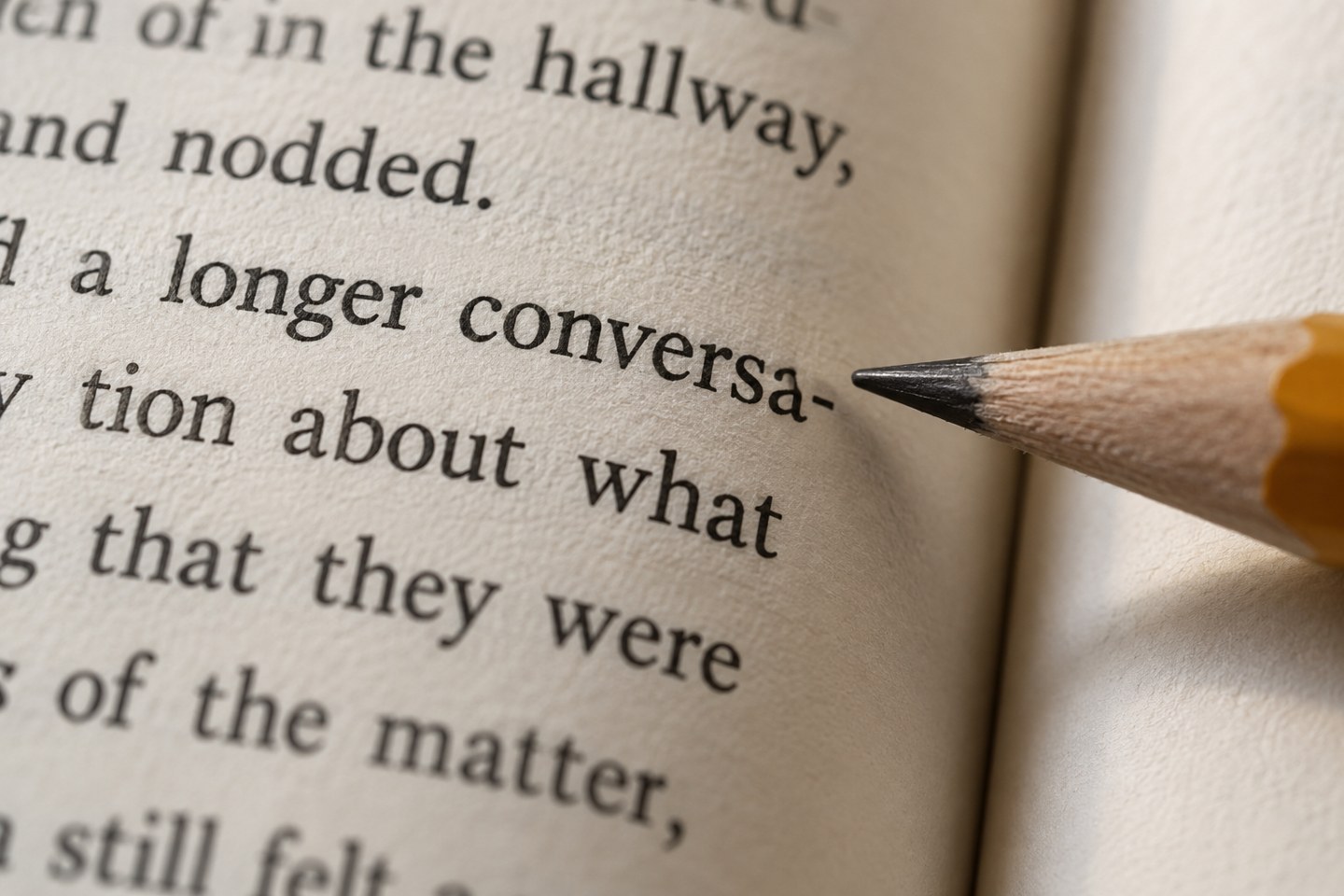
Line-end hyphens affect both spacing and reading. Check them in context, especially after the final text changes have moved lines around.
Book design
A cover brief gives a designer something more useful than a preferred colour. Explain the book, its readers and the decisions the cover has to support.
Book design
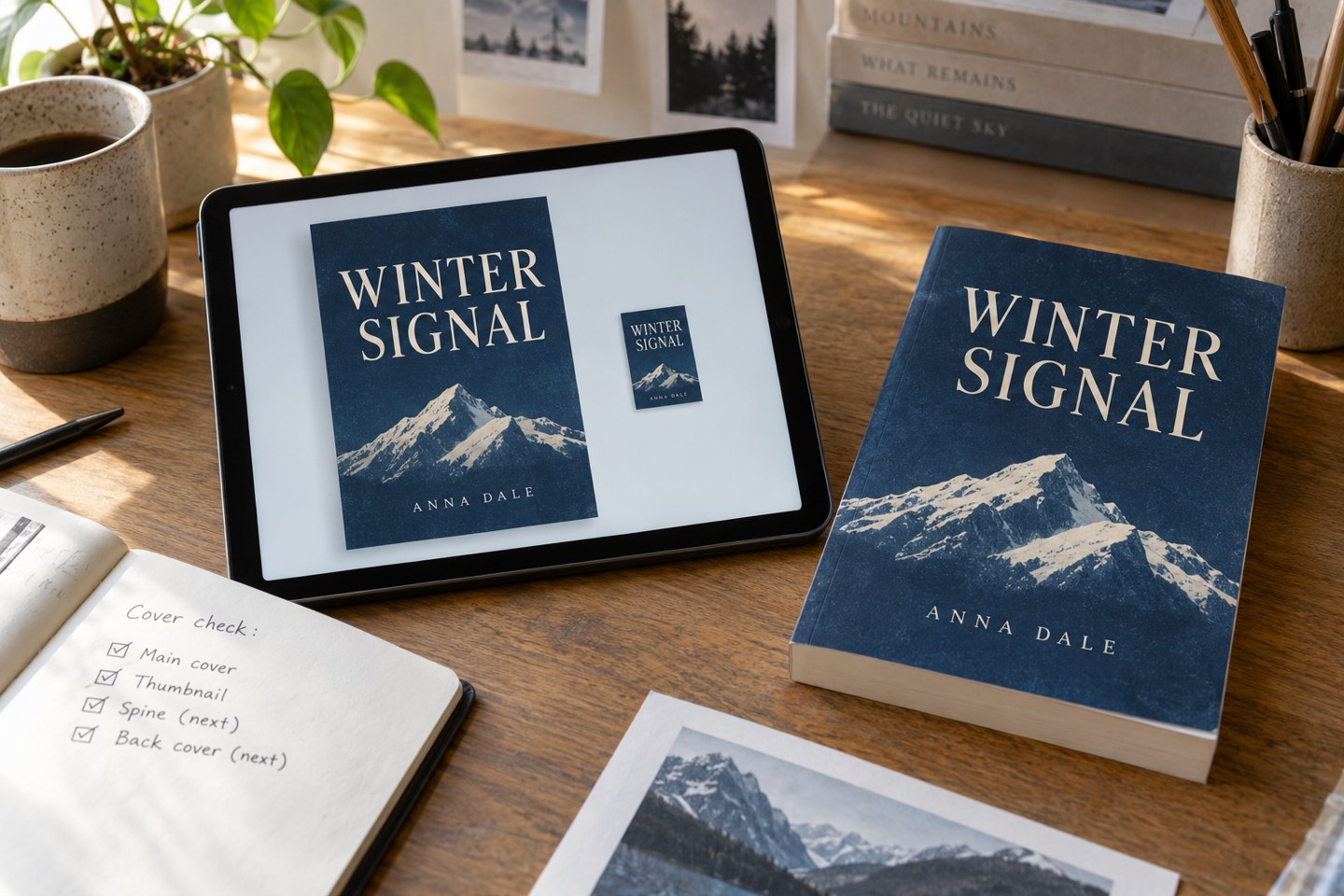
A cover can look clear at full size and lose its hierarchy in a small listing. Test what remains visible in the places readers will actually see it.

Book design
Spine width depends on the finished physical book. A provisional page count is useful for planning, but the final cover must use the printer’s actual specification.
Book design
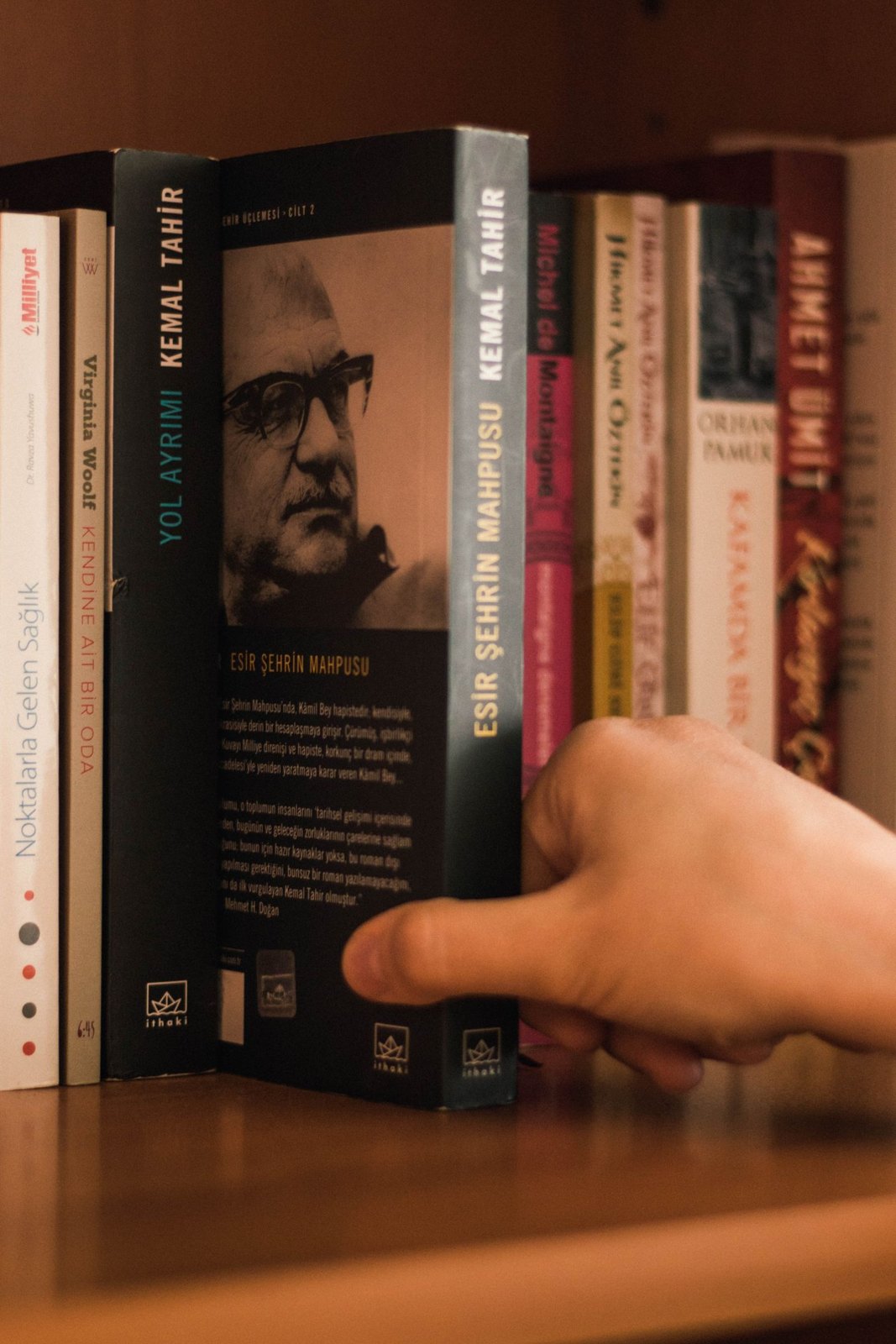
The back cover has several jobs competing for limited space. Decide what belongs there before the description, barcode and other elements become a squeeze.
Book design
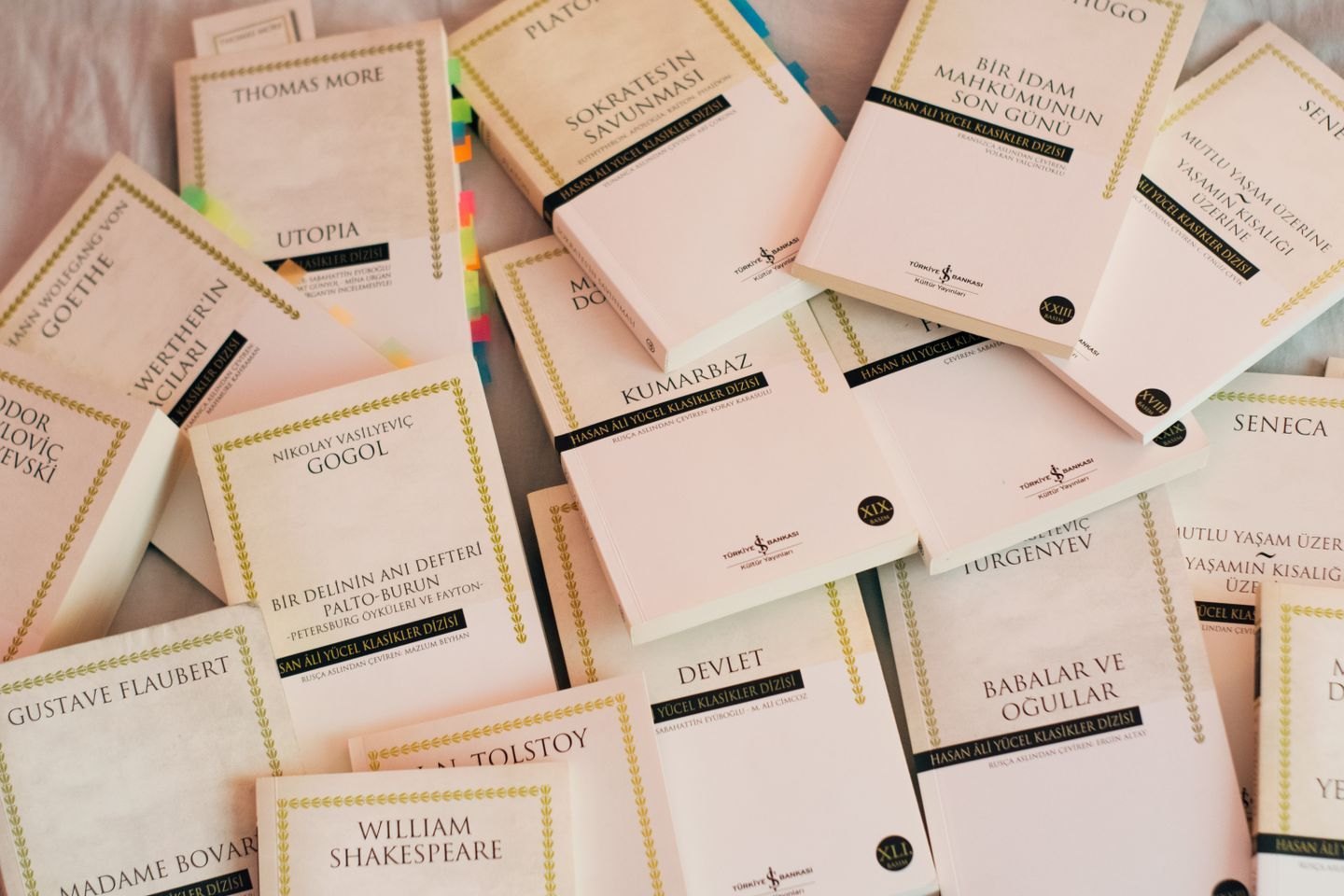
Related covers need enough consistency to belong together and enough difference to identify each volume. Define both before designing the next book.

Book design
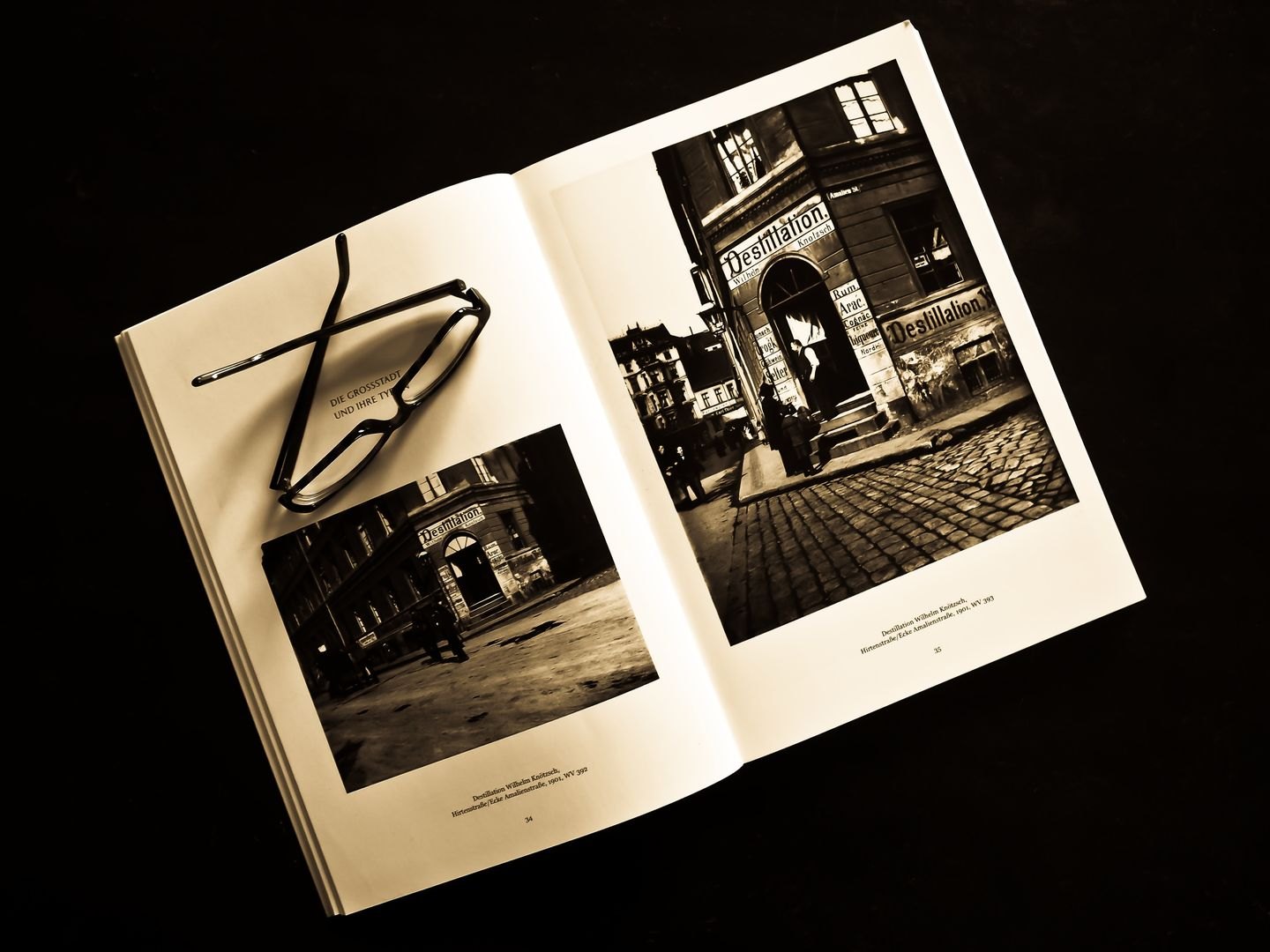
Judge the pixels, the crop and the printed result together before an image reaches the press.
Book design
Colour differences can disappear in monochrome. Check the information as well as the appearance.
Book design
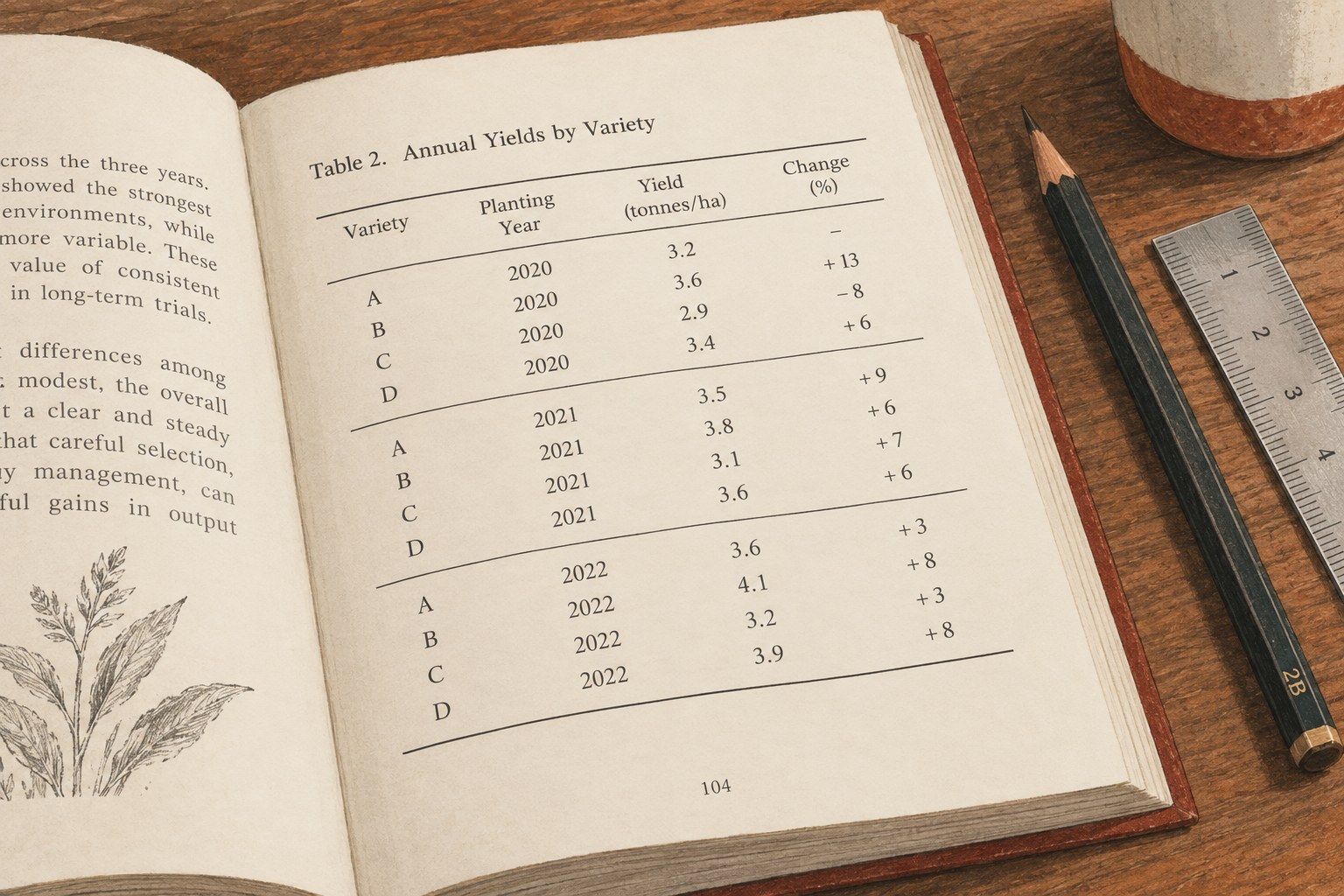
A useful table lets readers compare the right things without turning the page into a wall of rules.
Book design
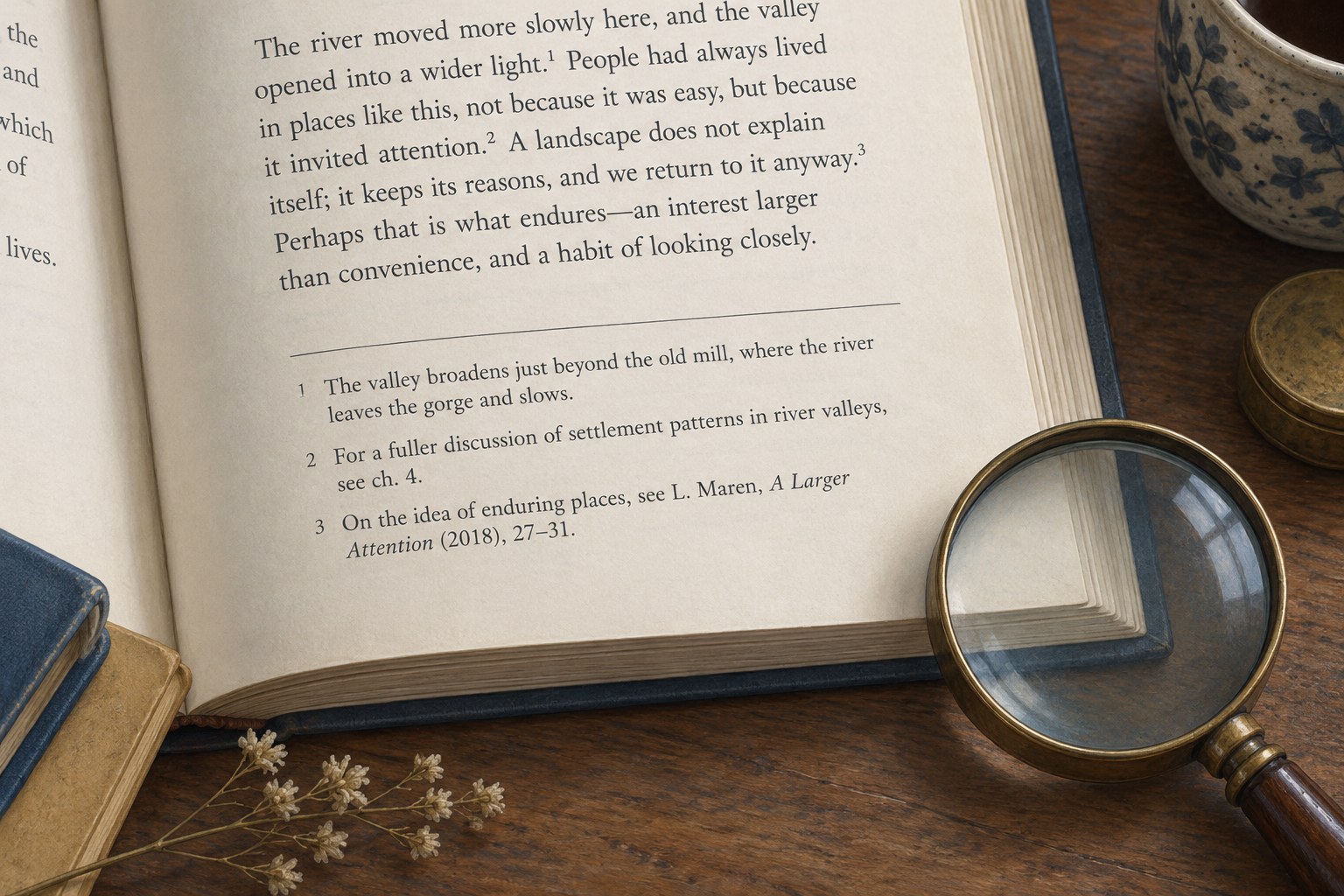
Notes need a visible relationship with the text and enough space to be read without strain.

Book design
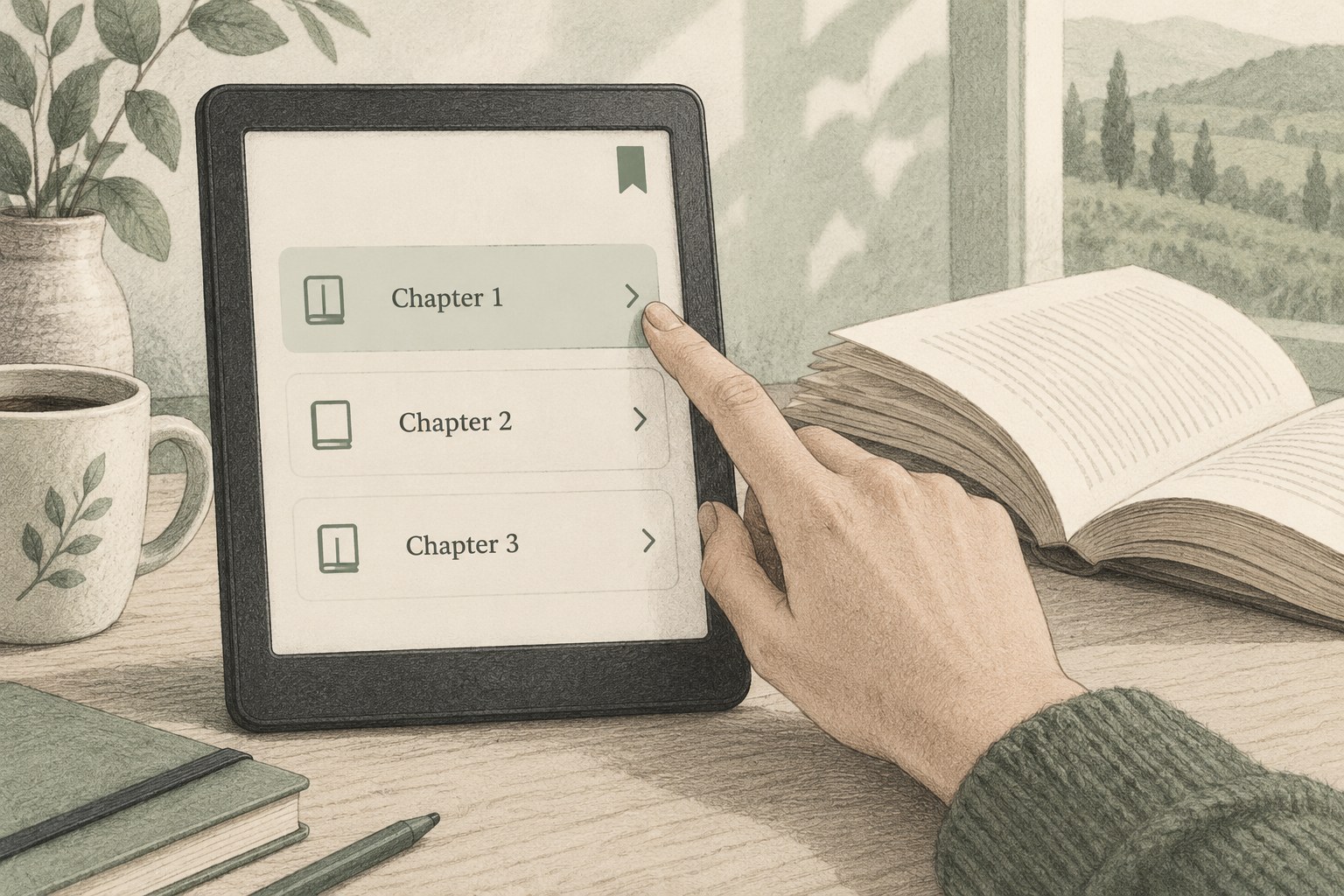
Reflowable books need a stable reading order, flexible spacing and testing at the reader’s chosen settings.
Book design
Make chapter links, note journeys and other navigation reflect the structure readers actually encounter.
Book design
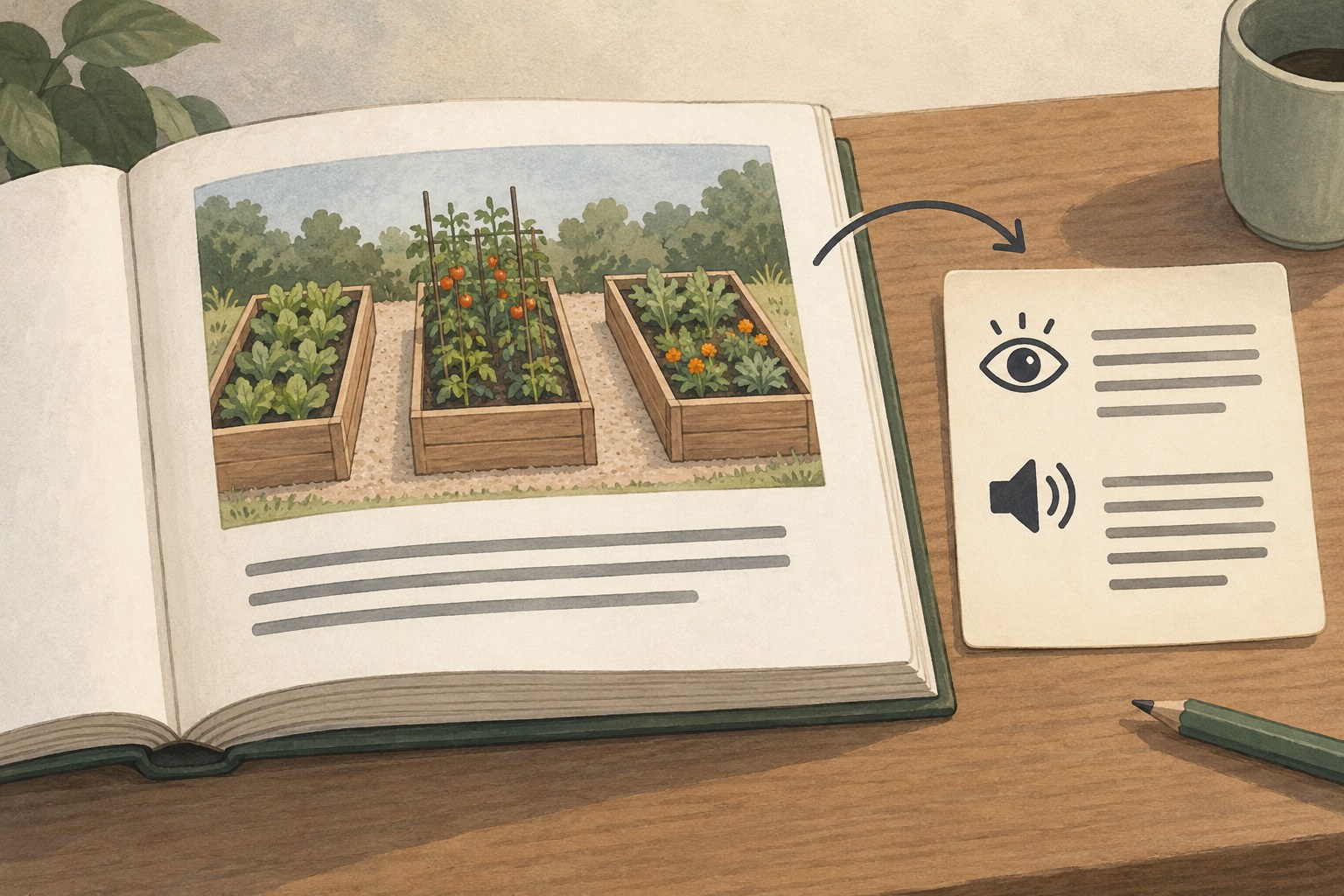
Describe the information an image contributes, with enough context to make it useful in the book.

Book design
Combine technical preflight with a slow editorial check of the exact PDF that will be printed.

Book design
Connect each comment to a reader problem, a location and a clear priority.

Book design
A handover should preserve the finished output and the ingredients needed to revise it.

Author marketing
A reader profile becomes useful when it describes a reason to read, rather than an imaginary perfect customer.

Author marketing
Organise an author website so readers can identify the books, find the right next step and contact the right person.

Author marketing
Give readers one stable destination for the description, sample and availability of a particular title.

Author marketing
Define the editorial promise, workload and subscription process before inviting readers to join.

Author marketing
Use the first message to confirm the subscription, deliver the promise and explain what happens next.
Author marketing
Choose a schedule from the material and time available, then make the expectation visible.
Author marketing
A launch becomes easier to manage when each activity has an owner, a dependency and a reason to exist.
Author marketing
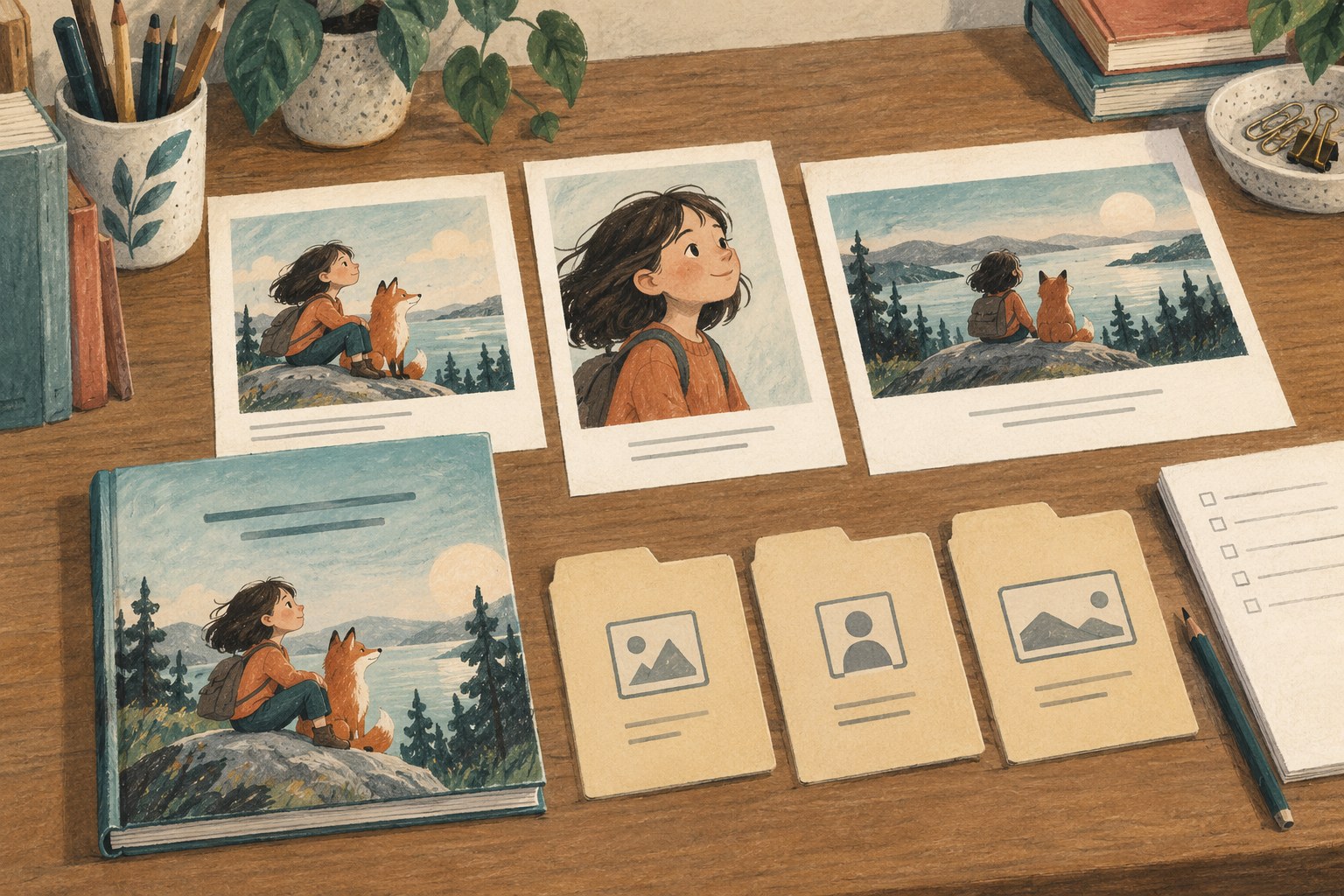
Package the cover, description and factual details so a host or collaborator can use the correct material.

Author marketing
Collect the facts and files an interviewer or event organiser needs without making them search through a long biography.

Author marketing
A useful interview pitch offers a relevant subject and a clear reason that the outlet’s audience might care.
Author marketing
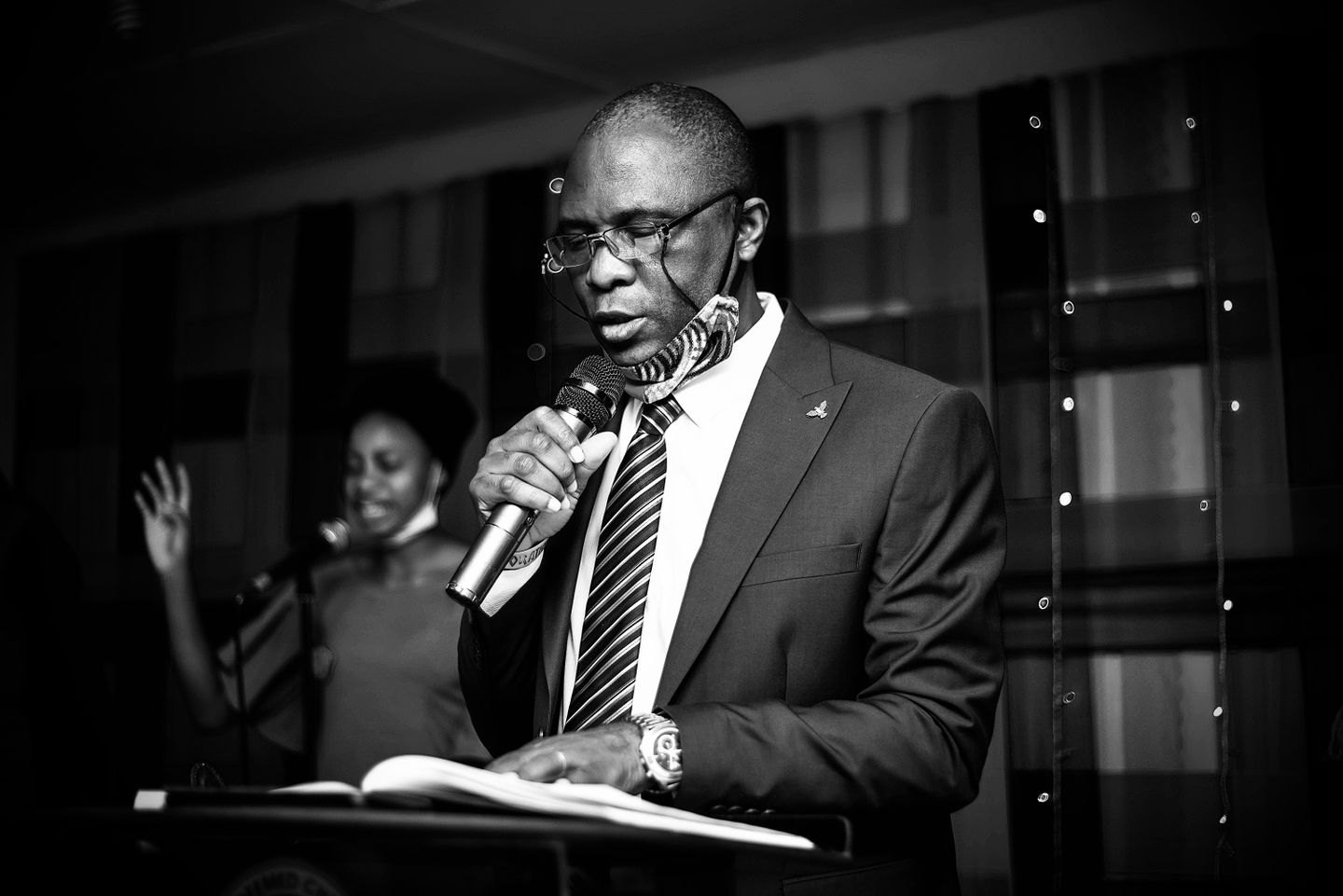
Choose a passage that can stand on its own, then rehearse the transition into and out of it.

Author marketing
Write questions that invite different readings and give participants something in the book to point to.

Author marketing
Offer the right format to relevant reviewers, with enough information for them to decide freely.

Author marketing
Distinguish a correction or direct question from an opinion that belongs to the reader.
Author marketing
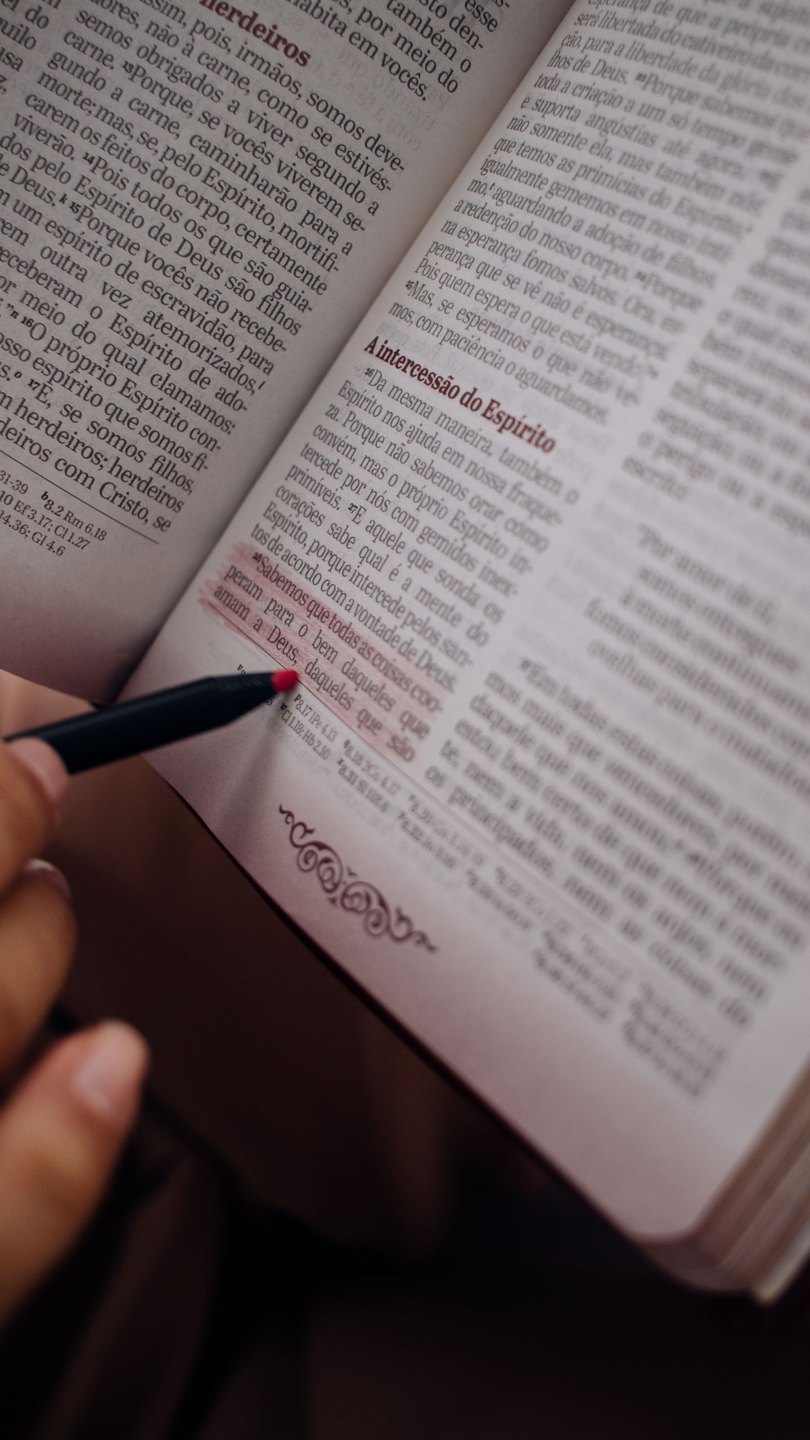
A short excerpt should retain its meaning when it leaves the surrounding chapter.

Author marketing
Use the book’s questions and decisions to find subjects that can support a complete article of their own.

Author marketing
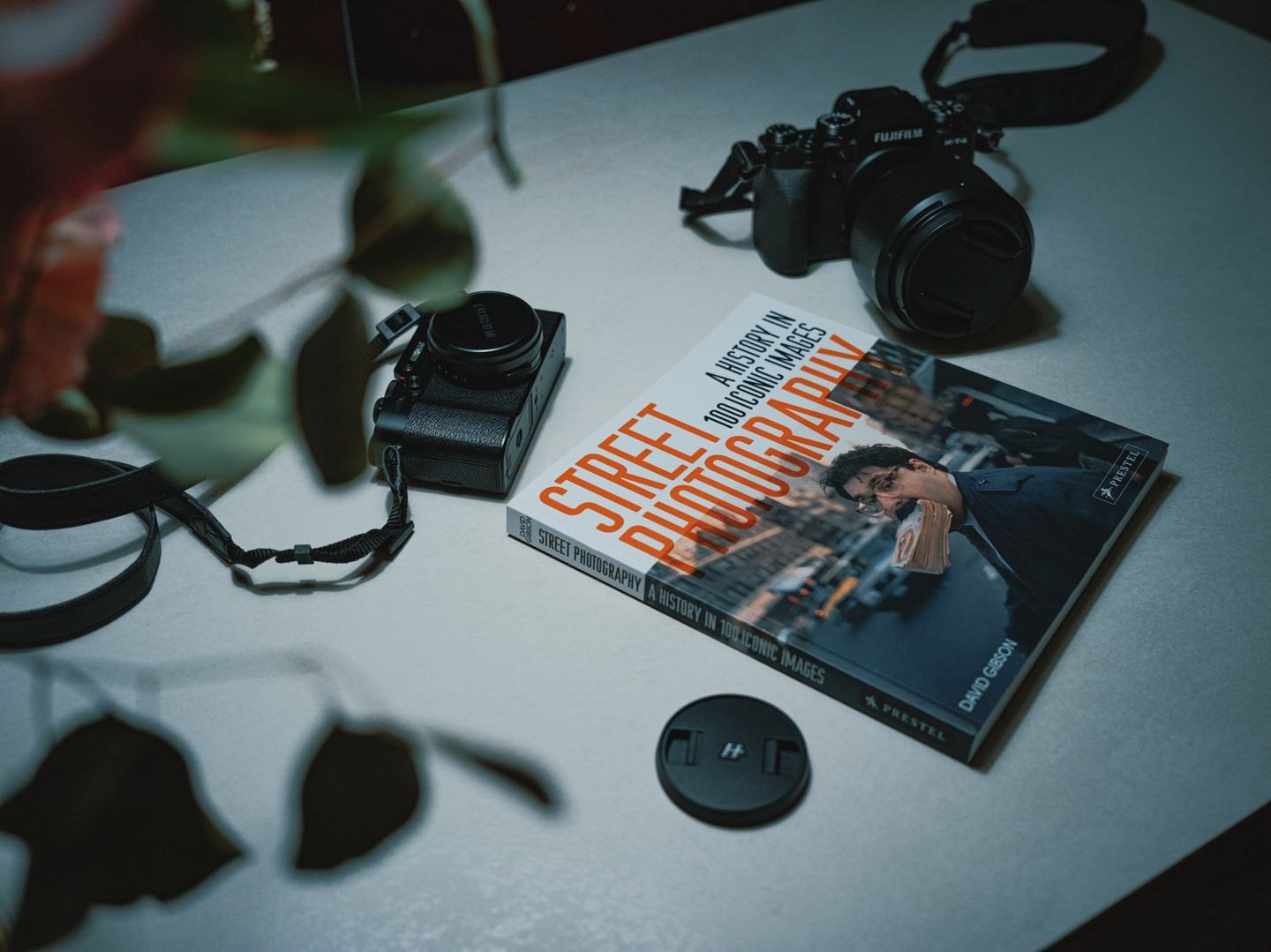
Plan for crops, file sizes and usage permissions before the camera comes out.
Author marketing
Use light, angle and a simple background to show the physical book clearly.
Author marketing
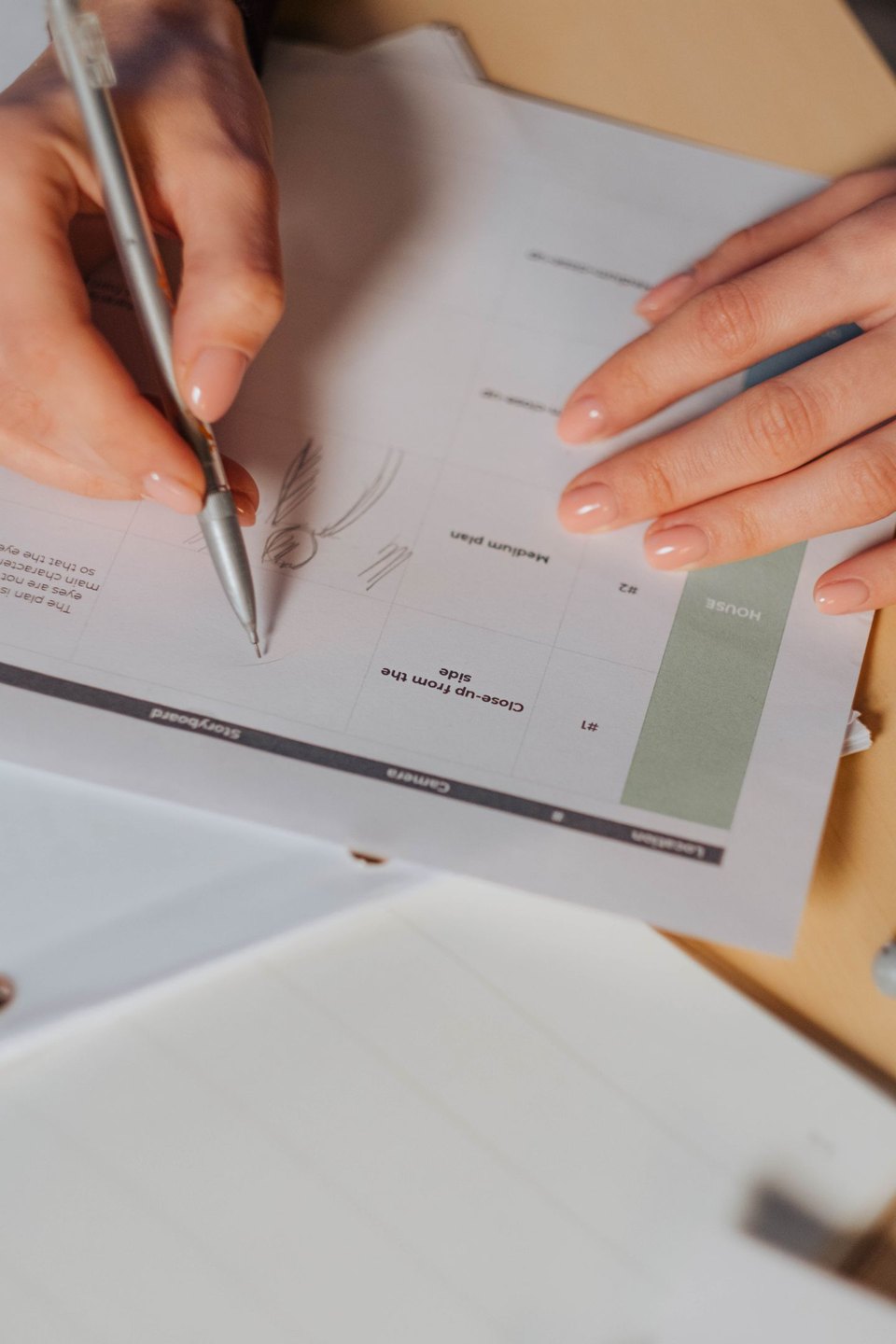
Give a trailer a defined audience, destination and message before investing in production.
Author marketing
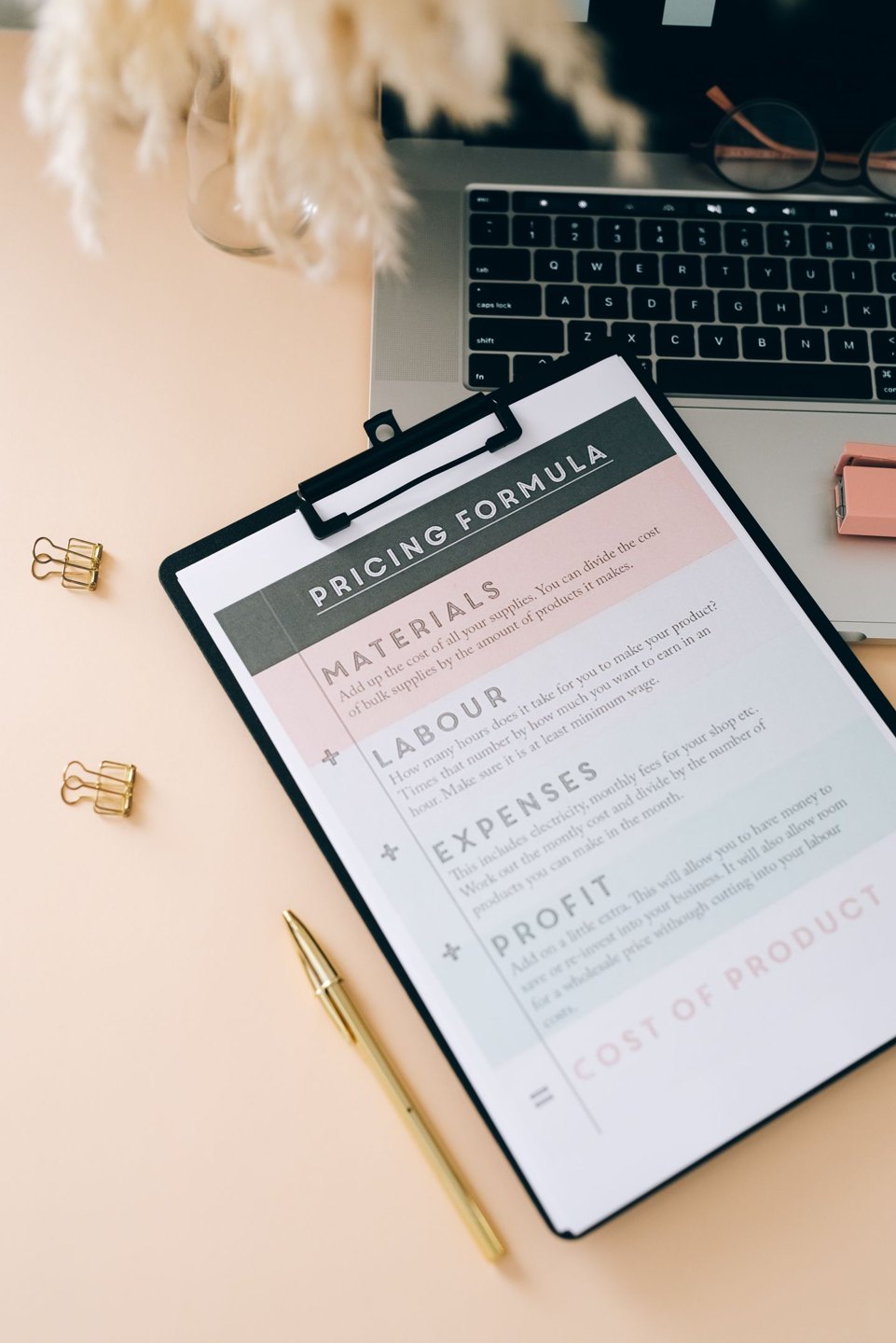
Tie spending to a specific activity and a testable result, while keeping uncertainty visible.

Author marketing
A campaign record should distinguish what you did, what you observed and what you can reasonably infer.

Author marketing
An older title can enter a new conversation when the connection is specific and the book information stays accurate.

Author marketing
Agree on the shared purpose, individual responsibilities and use of material before announcing the project.

Author marketing
Keep the book’s information and reader relationships current after the concentrated launch activity ends.
Tools & workflow
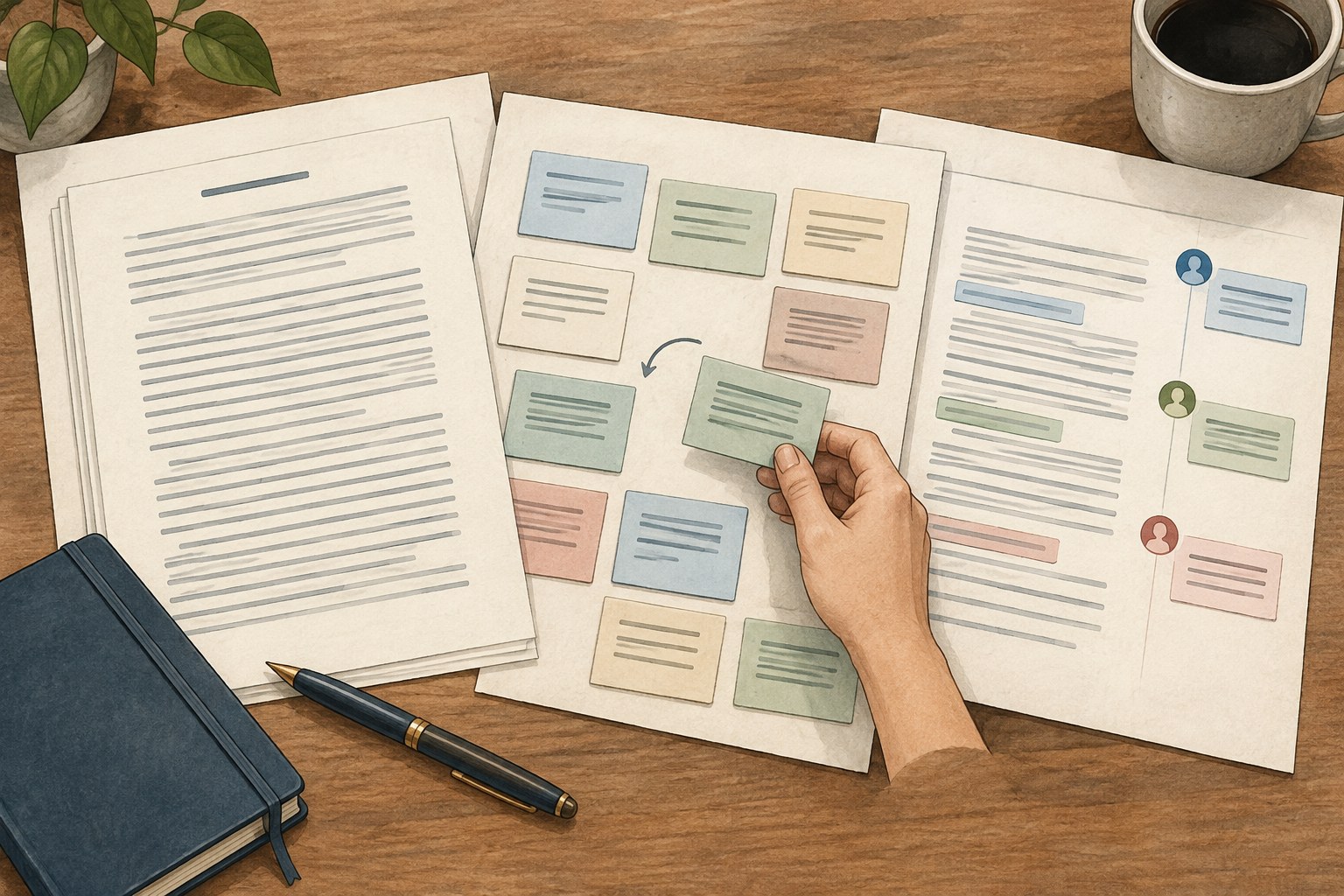
Compare tools using a representative piece of your own work, including the moment when the draft must leave the app.
Tools & workflow
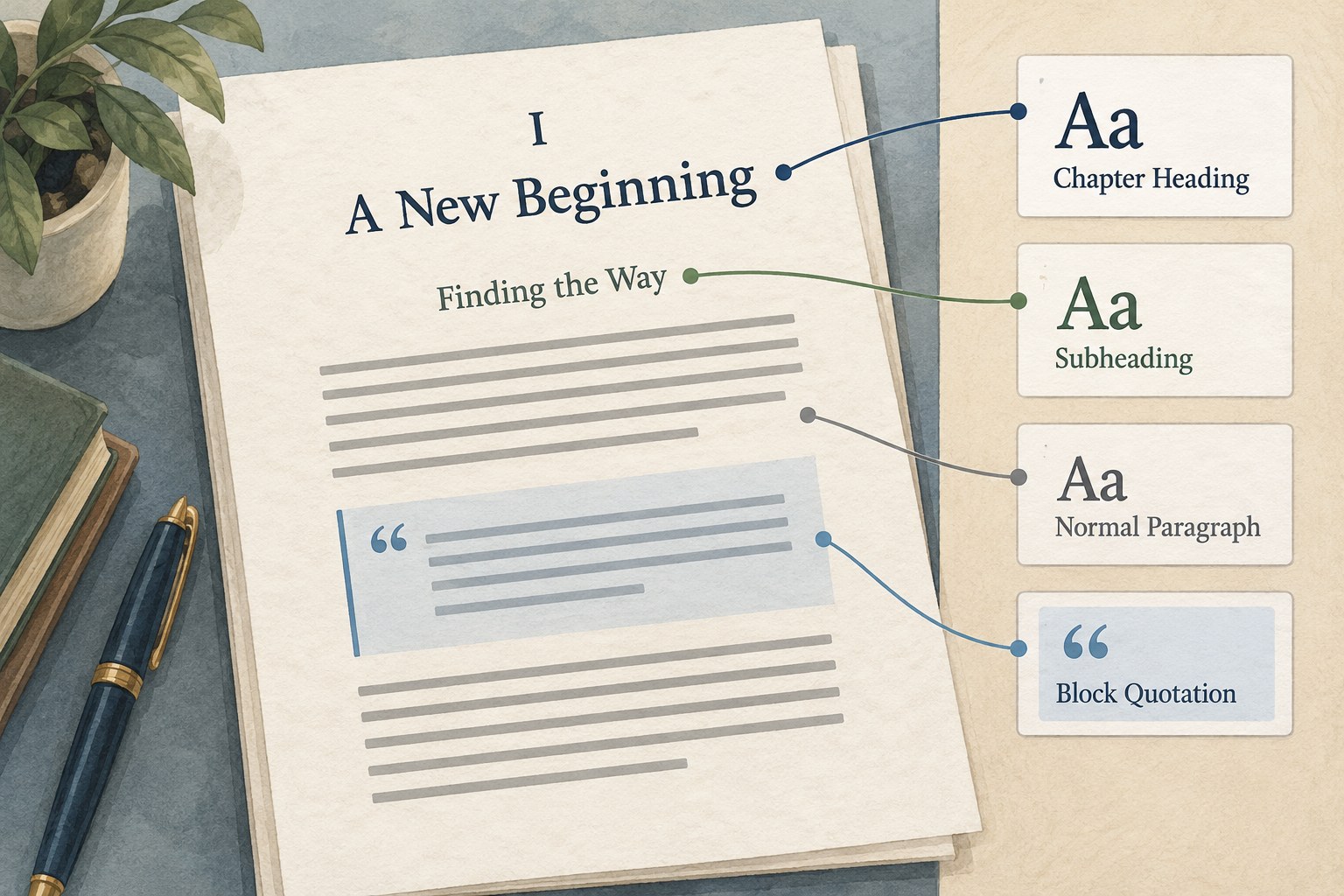
Styles give repeated elements a shared identity, making long documents easier to revise and hand over.
Tools & workflow
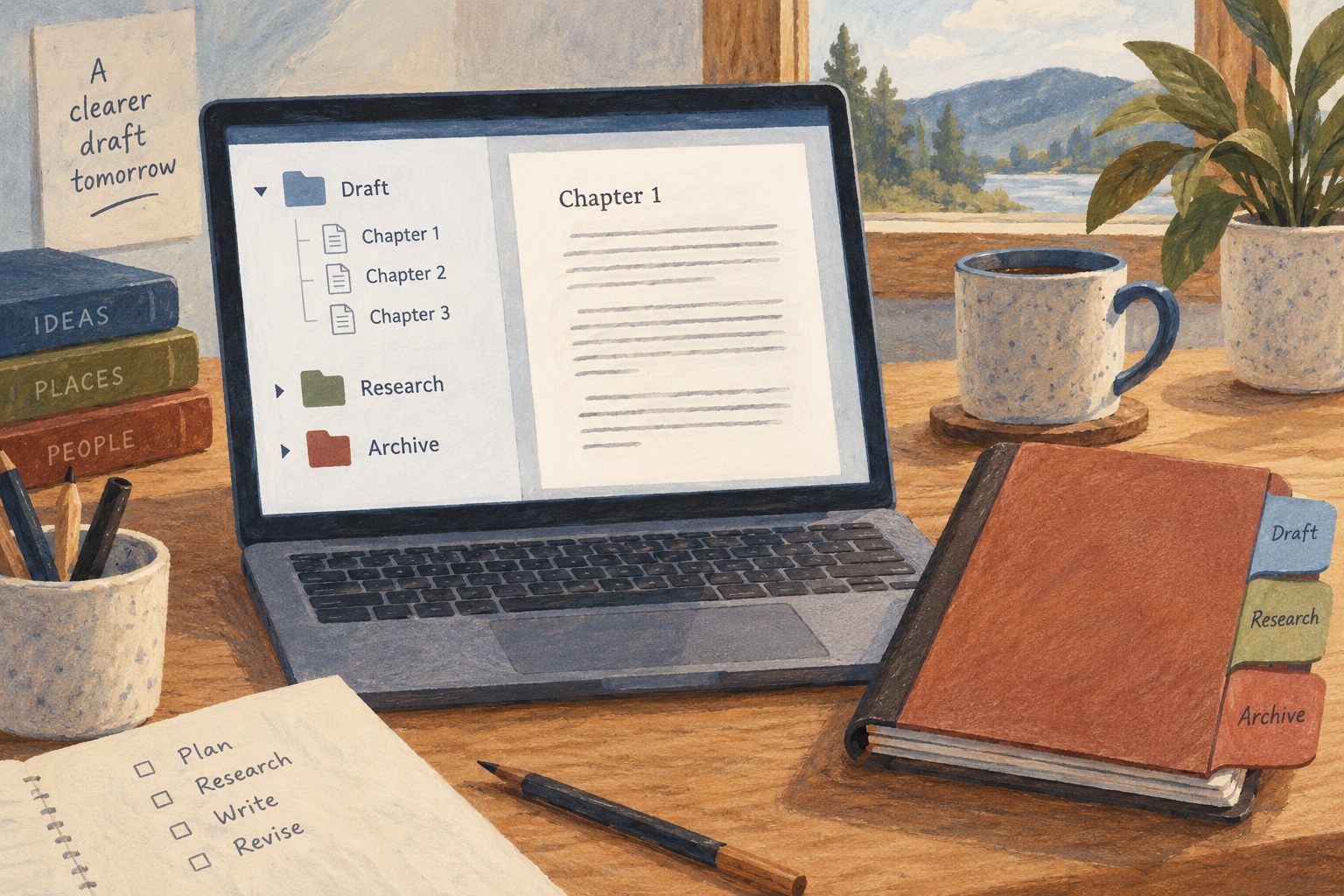
Use the Binder to make the next piece of writing easy to find, and add structure only when the project needs it.
Tools & workflow
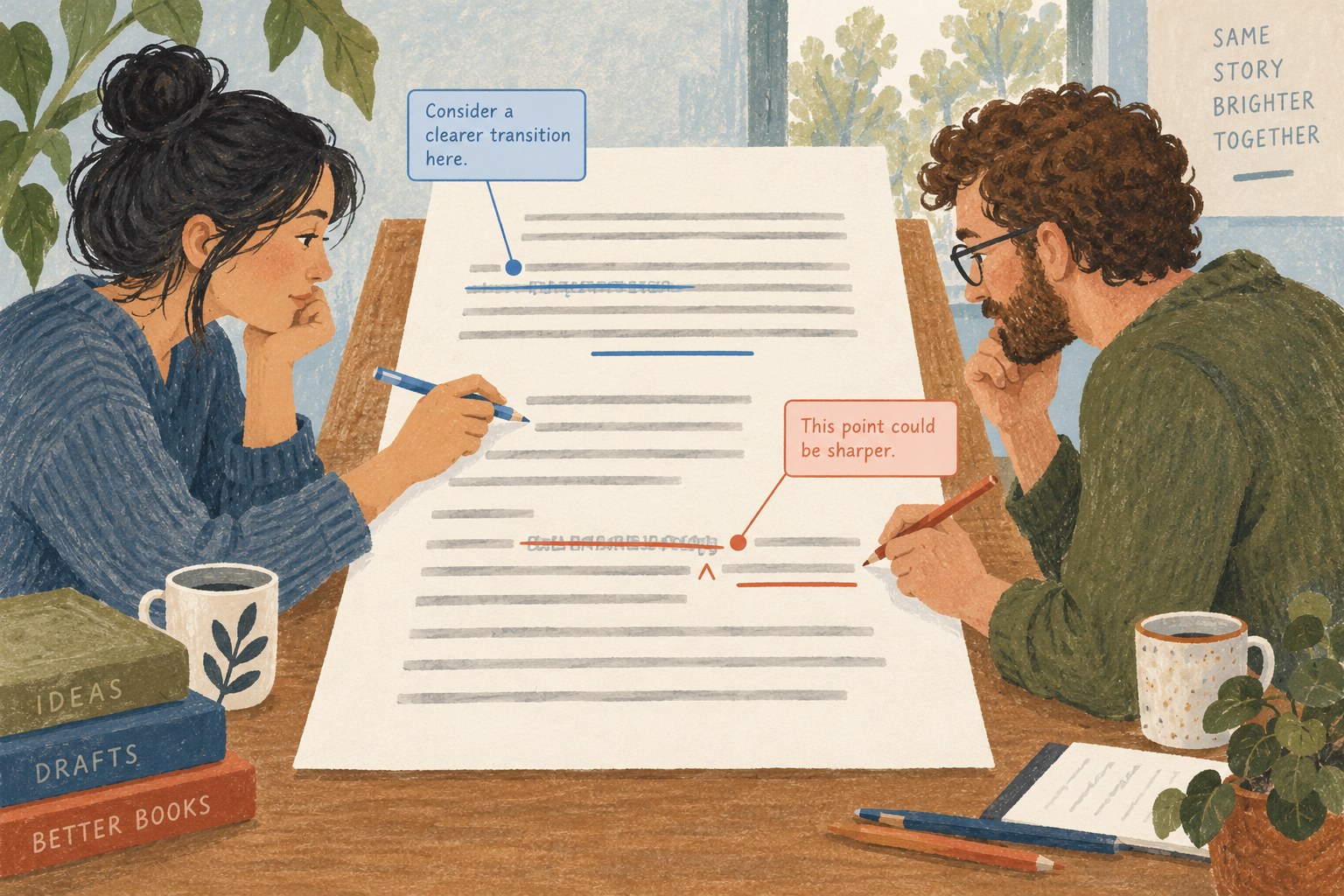
Agree how people should comment, suggest and approve changes before several voices enter the same document.
Tools & workflow
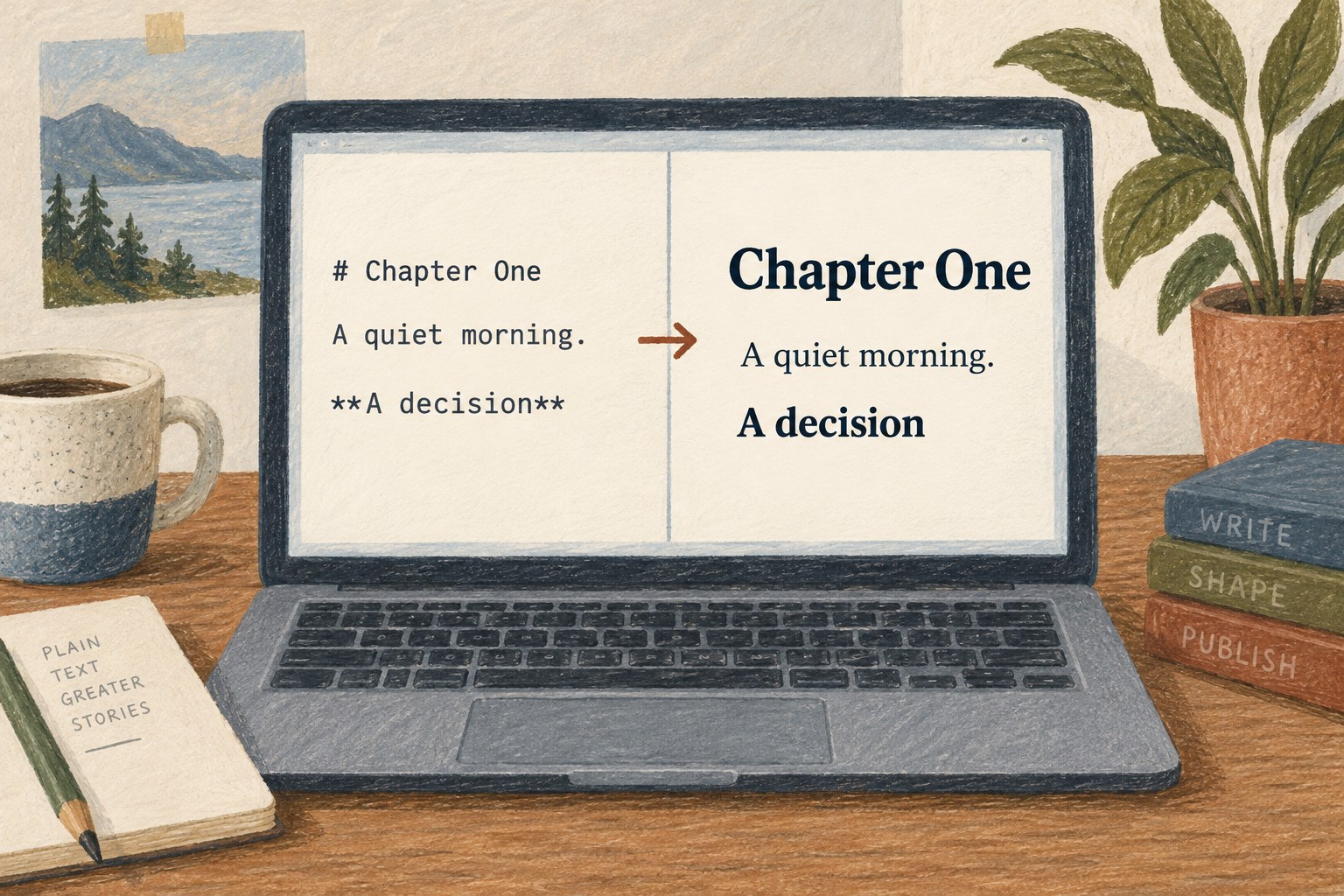
Plain text can simplify drafting when the book’s structure is modest and the later conversion is understood.

Tools & workflow
Use a small trial to discover which parts of writing become easier when spoken, and which still need a keyboard.

Tools & workflow
A reference manager helps when sources recur and citations need to remain connected to reliable records.

Tools & workflow
Organise research by the questions you will return to, with enough source detail to retrace the evidence.
Tools & workflow
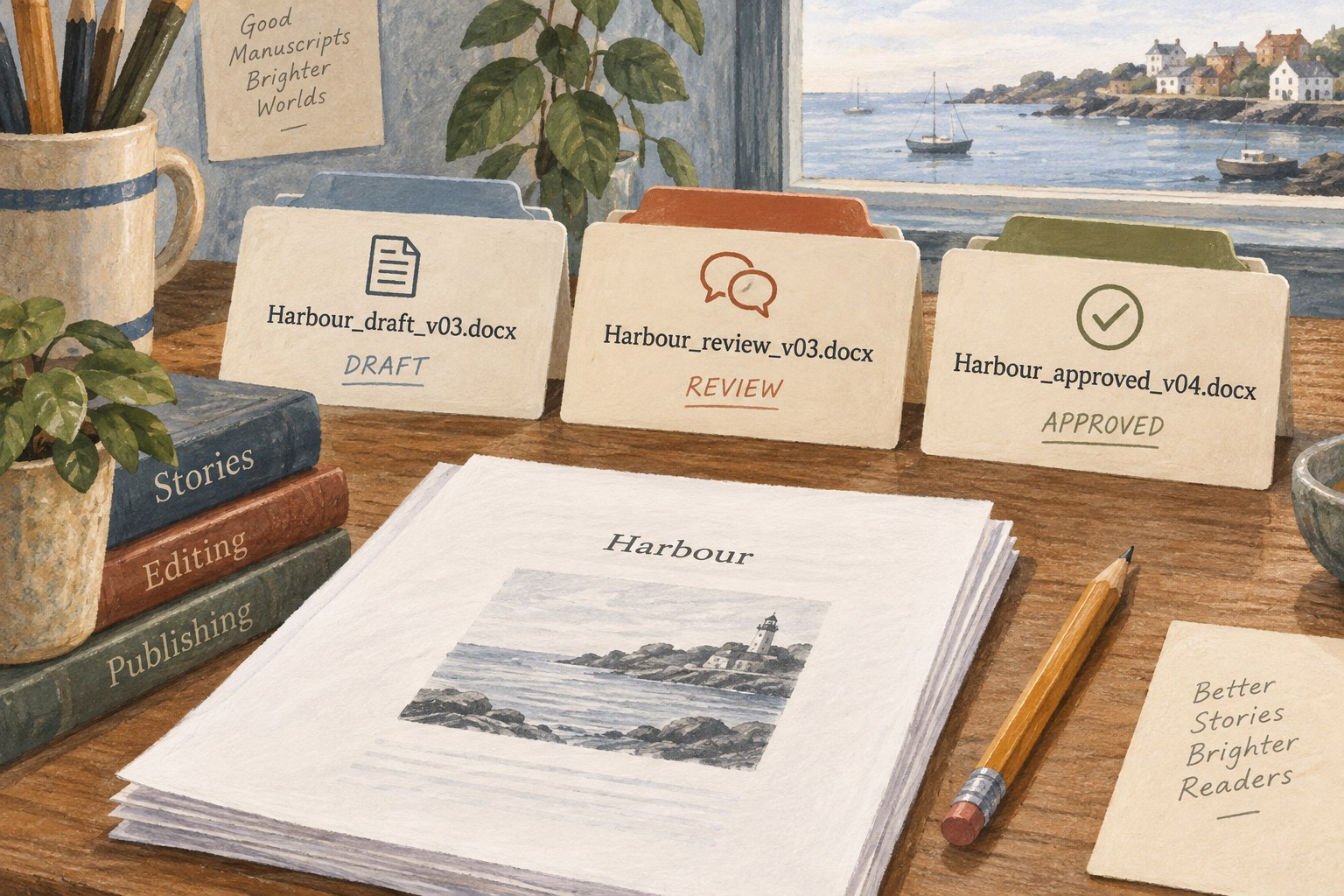
A filename should reveal the project, the document’s role and which version it represents.

Tools & workflow
Protect the manuscript, its supporting files and the ability to restore a usable project.

Tools & workflow
Restore a copy into a separate location and check that it contains the work and dependencies you expect.
Tools & workflow
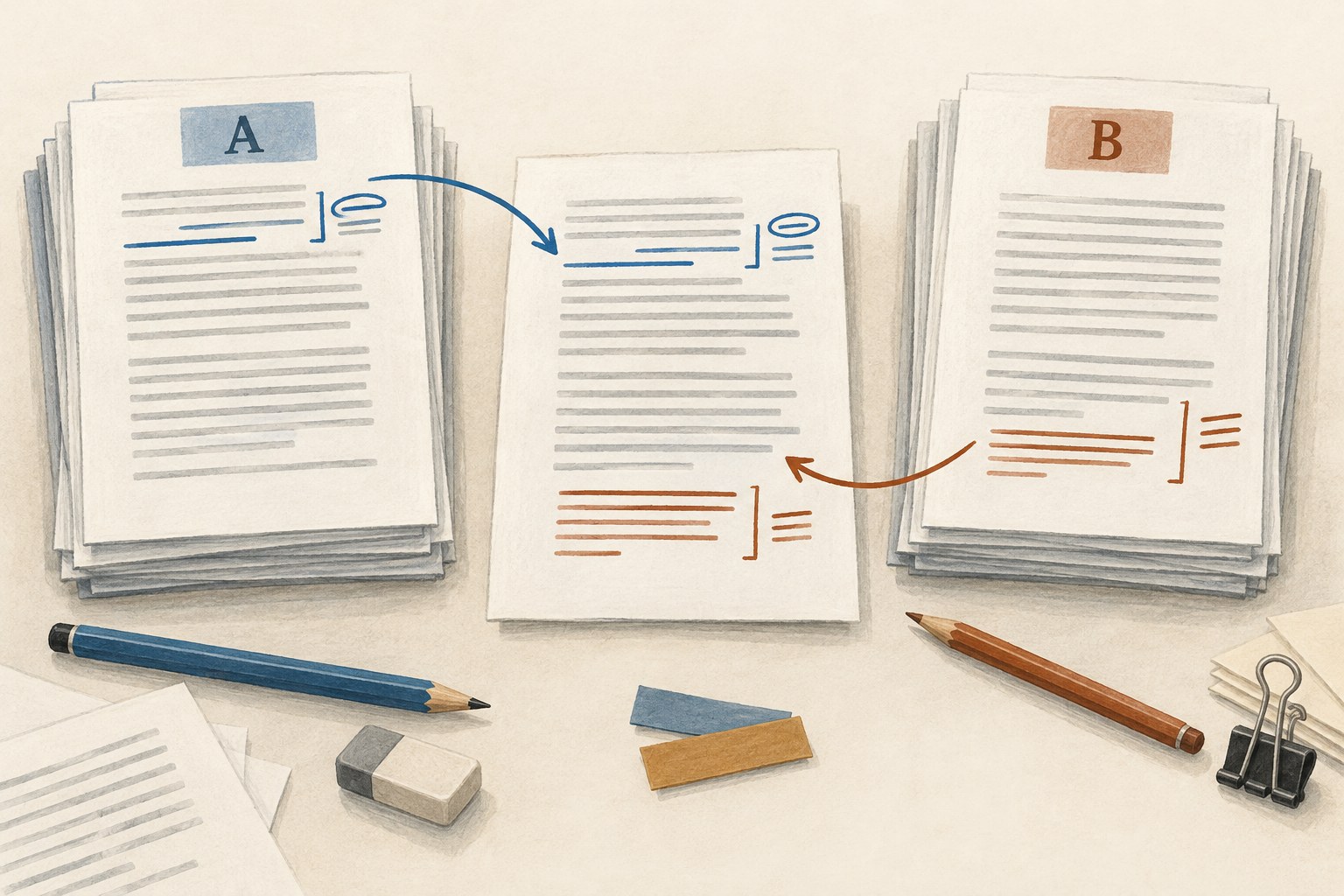
Preserve both versions first, then compare the changes before choosing a new active draft.

Tools & workflow
Treat export as a conversion that needs its own inspection, especially when the next person uses different software.
Tools & workflow
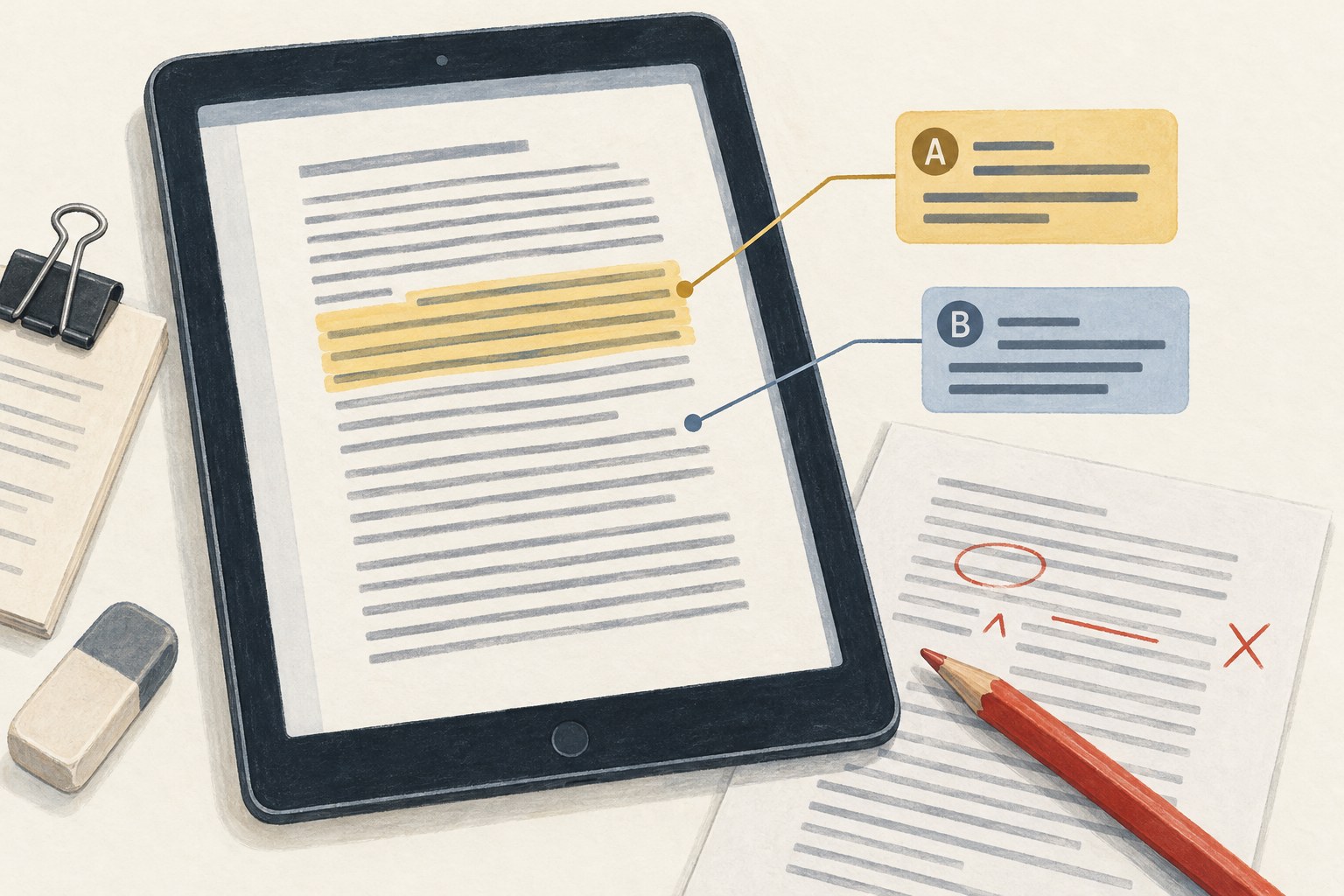
Anchor each correction to a precise location and keep the proof version visible throughout the review.

Tools & workflow
Optical character recognition can make notes searchable, but the resulting text still needs checking. Preserve the scan so you can compare what the software read.

Tools & workflow
Learn shortcuts for actions you repeat during real editing. A small set used correctly is more valuable than a long list you cannot remember.

Tools & workflow
Reduce the interruptions you can predict, then give the session a task small enough to start. The aim is a workable period of attention, not an elaborate ritual.
Tools & workflow
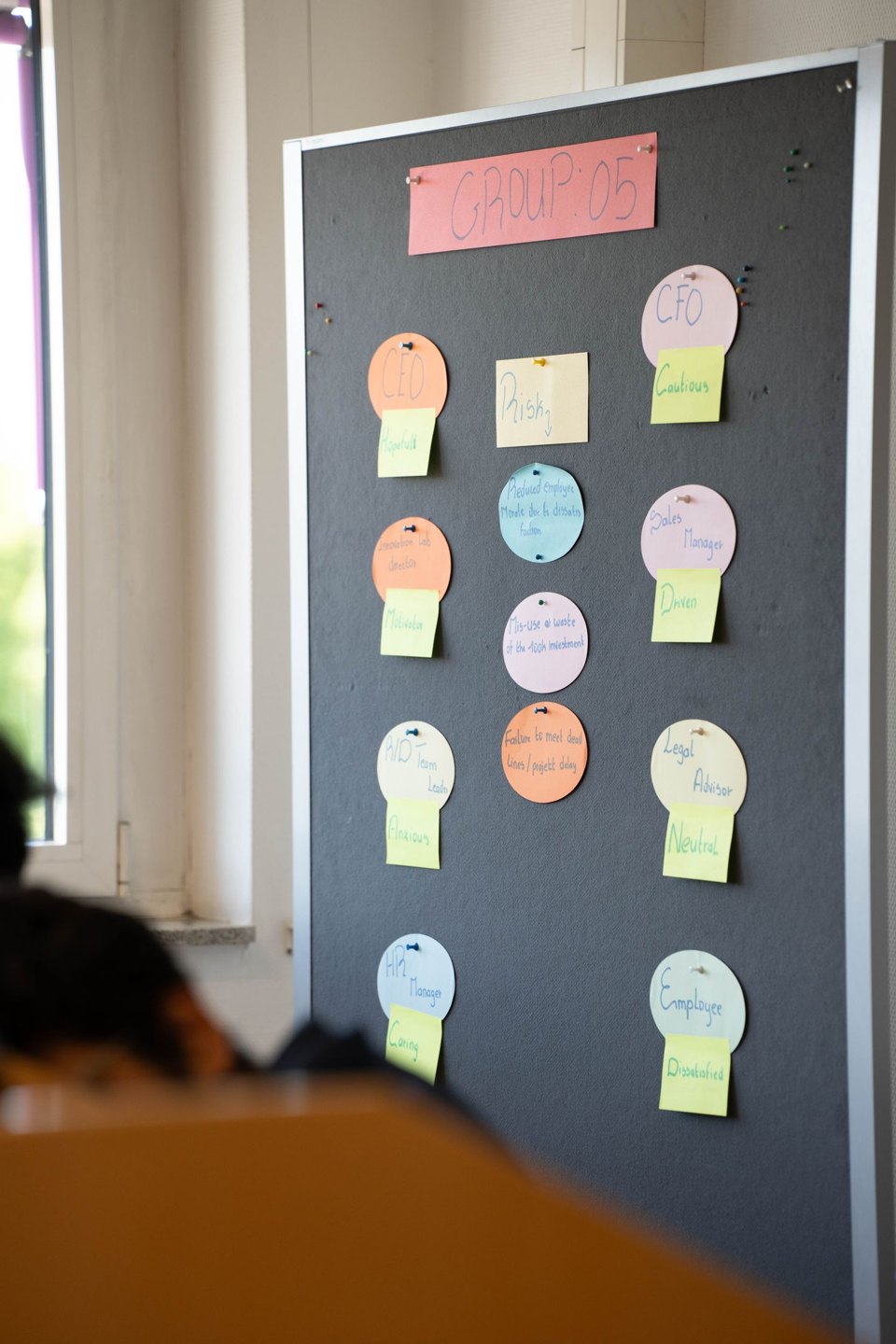
A board can show which publishing tasks are moving and which are waiting. Keep each card tied to a result somebody can recognise as finished.

Tools & workflow
A tracker works when every row represents the same kind of thing and each column answers a question. Build the structure before adding colours or formulas.
Tools & workflow
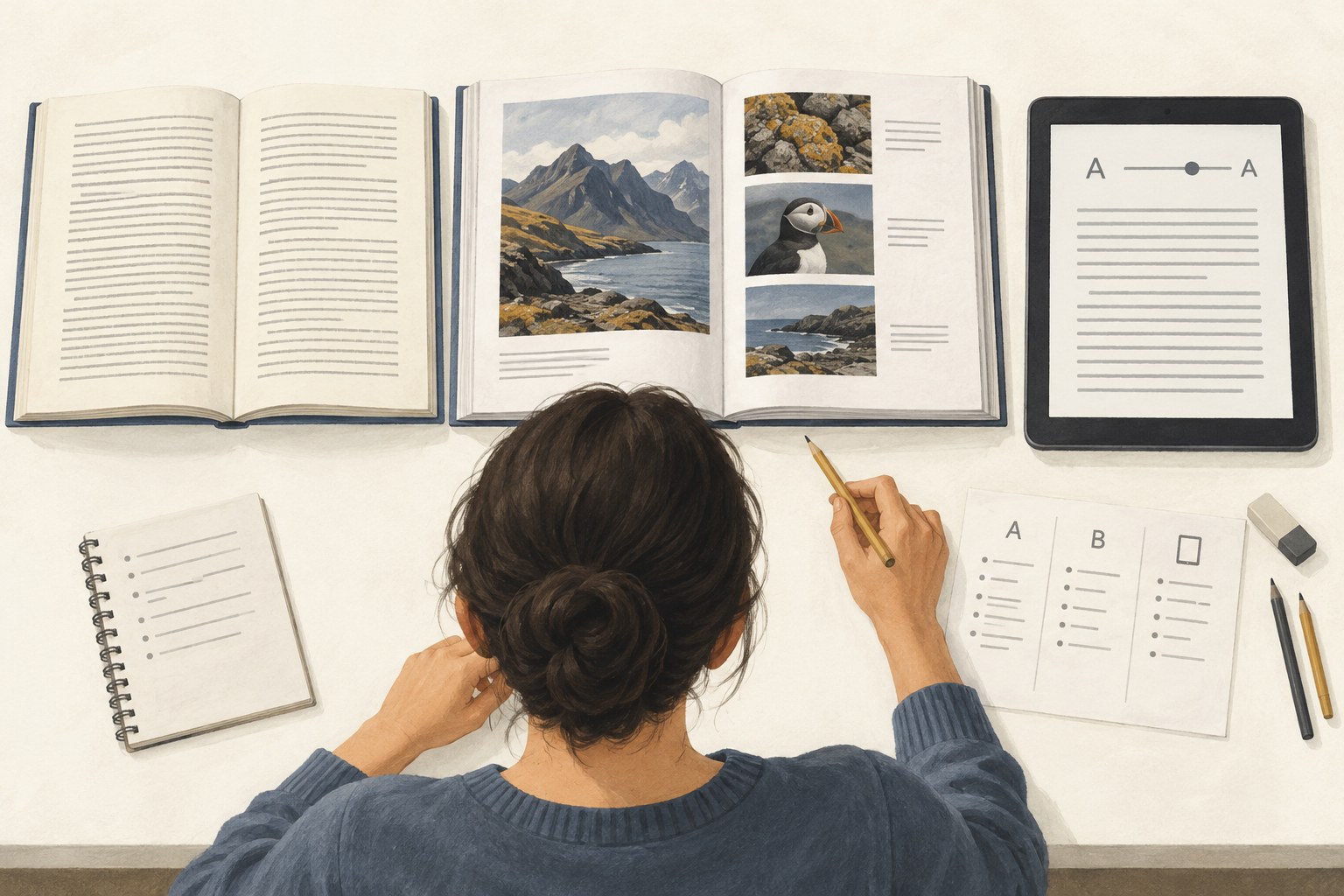
Choose layout software by testing the book’s difficult pages and required output. A familiar interface is useful only if the production workflow also works.
Tools & workflow
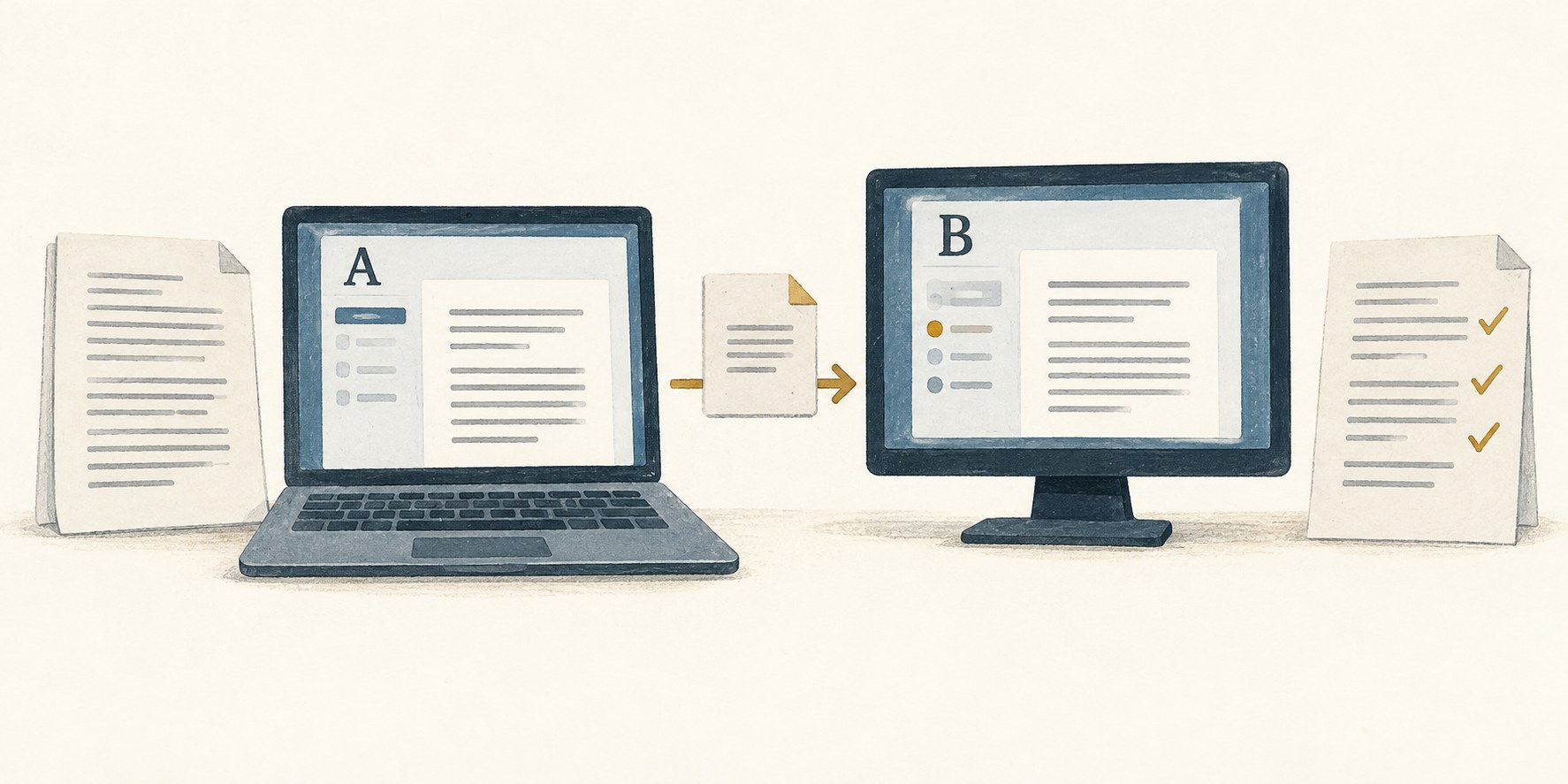
A successful import is only the beginning of a migration. Test the structures you need, keep the original intact and decide when the new copy becomes authoritative.

Tools & workflow
A finished project still needs a clear final record. Collect the files, decisions and dependencies that would let you make a correction or prepare another edition later.