
Tools & workflow
Decide whether a reference manager will help
A reference manager helps when sources recur and citations need to remain connected to reliable records.
Tools & workflow
Organise research by the questions you will return to, with enough source detail to retrace the evidence.
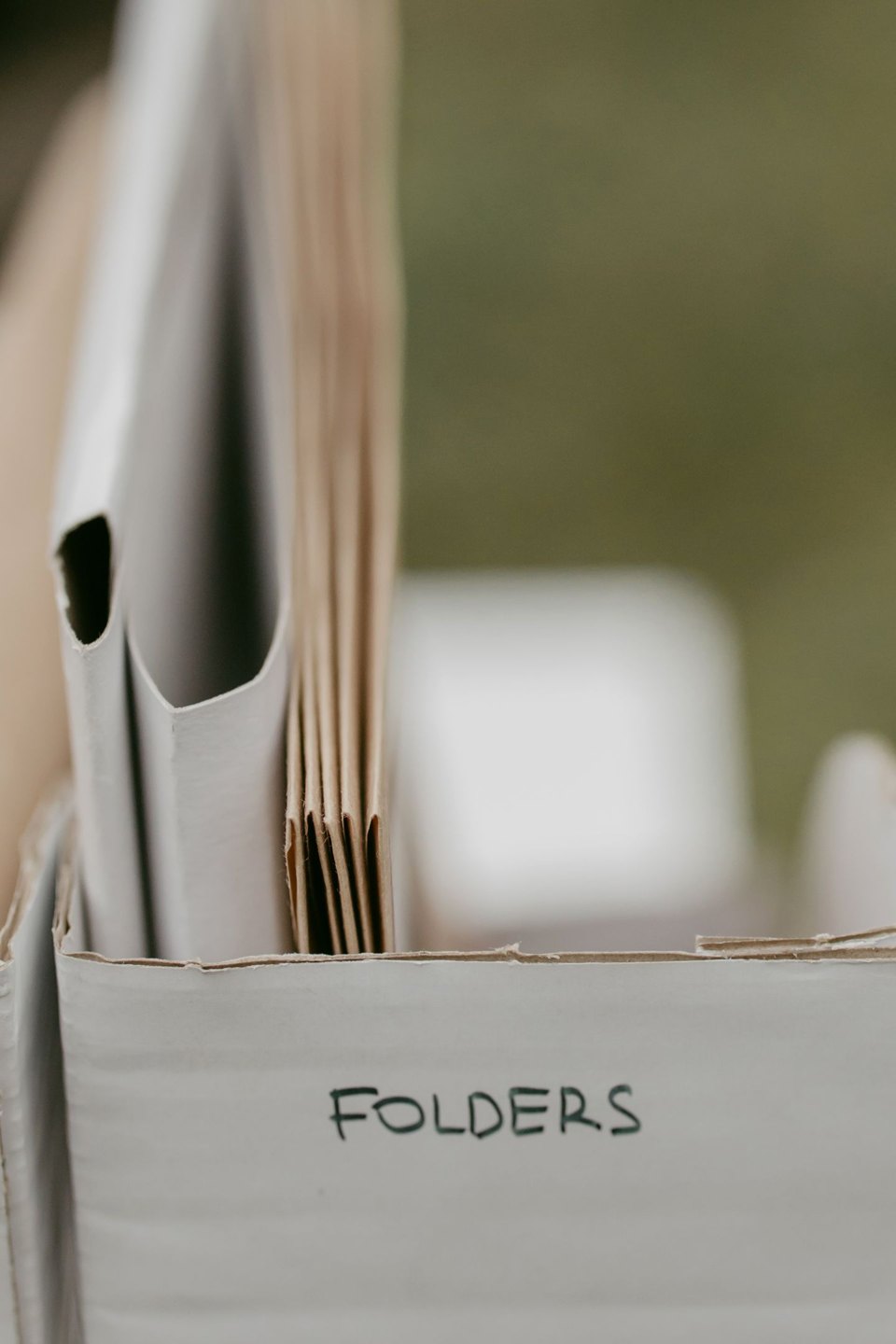
A folder called “Interesting” becomes difficult to use once the project grows. Name folders for a subject, source type or research question that will still make sense months later. Choose the organising principle that fits the work instead of mixing several unrelated systems at the same level.
A local-history project might group material by place and then by source type. A thematic nonfiction project might group it by question. Either can work if the structure reflects how you expect to retrieve information. Keep the first version simple and add subdivisions when a folder becomes genuinely hard to navigate.
Record where a document or image came from, when you accessed it where relevant, and any edition or page details needed to find the information again. A downloaded file with an opaque numerical name can be impossible to identify without that context.
Separate direct quotations from your own notes visibly. Keep enough surrounding context to understand a passage, and record the exact location of quoted words. This reduces the risk of treating a paraphrase as an original thought or losing the qualification that made a source's claim accurate.
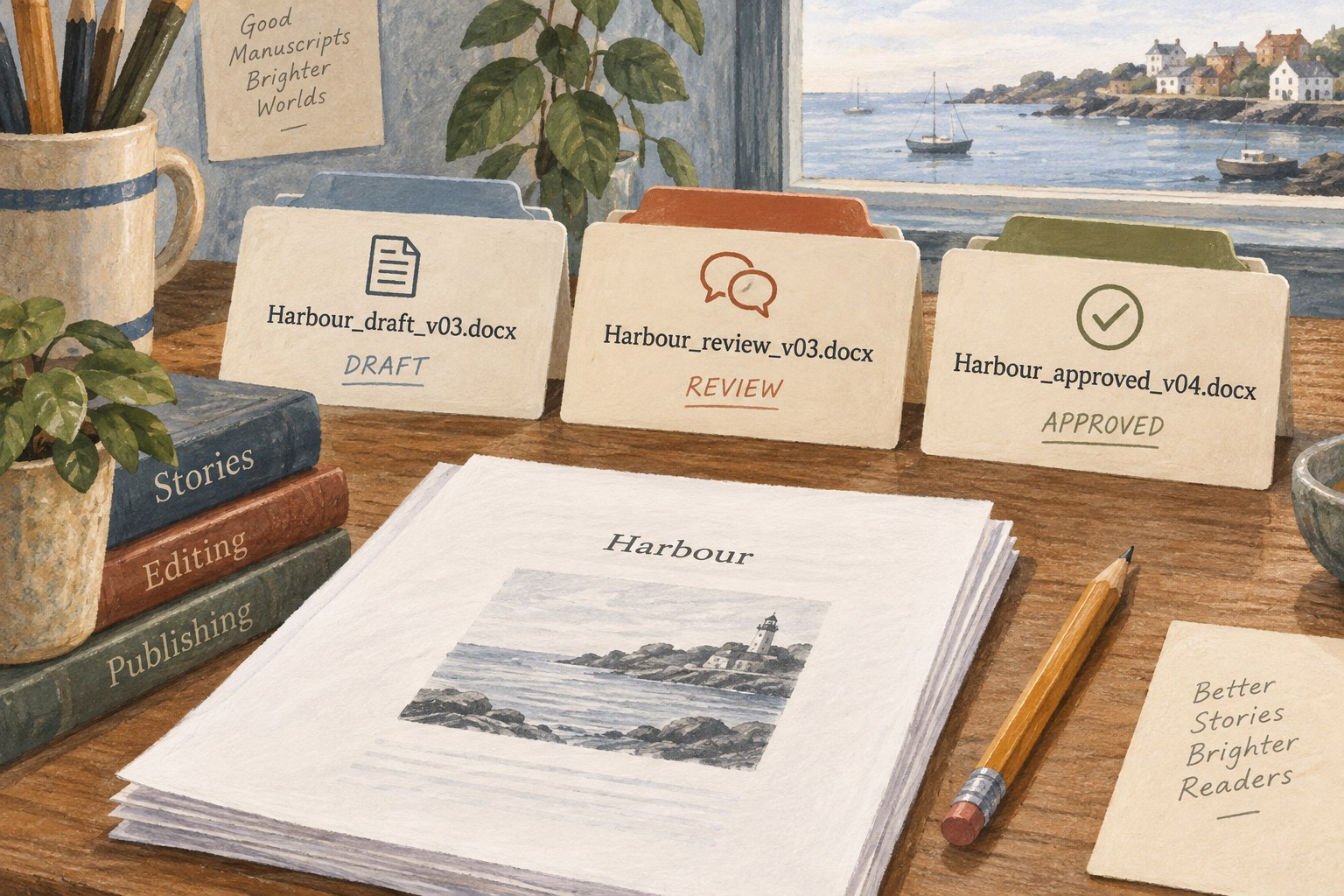
Use a consistent filename pattern that includes a useful author, topic or date. Do not overwrite an original source with annotations unless the workflow deliberately preserves a recoverable original. A marked working copy and an untouched source serve different purposes.
At a useful milestone, try finding several sources from the draft without relying on memory. Follow the reference from manuscript to note to original. If the journey breaks, repair the naming or record while the context is still familiar.
Keep research folders within the project's backup routine, including linked images and attachments. A manuscript backup alone may not preserve the evidence behind it. The organisation has done its job when another reading session can begin from a clear question and a traceable source, rather than a search through a pile of unexplained downloads.
Tools & workflow
A reference manager helps when sources recur and citations need to remain connected to reliable records.
Tools & workflow
A filename should reveal the project, the document’s role and which version it represents.