Tools & workflow
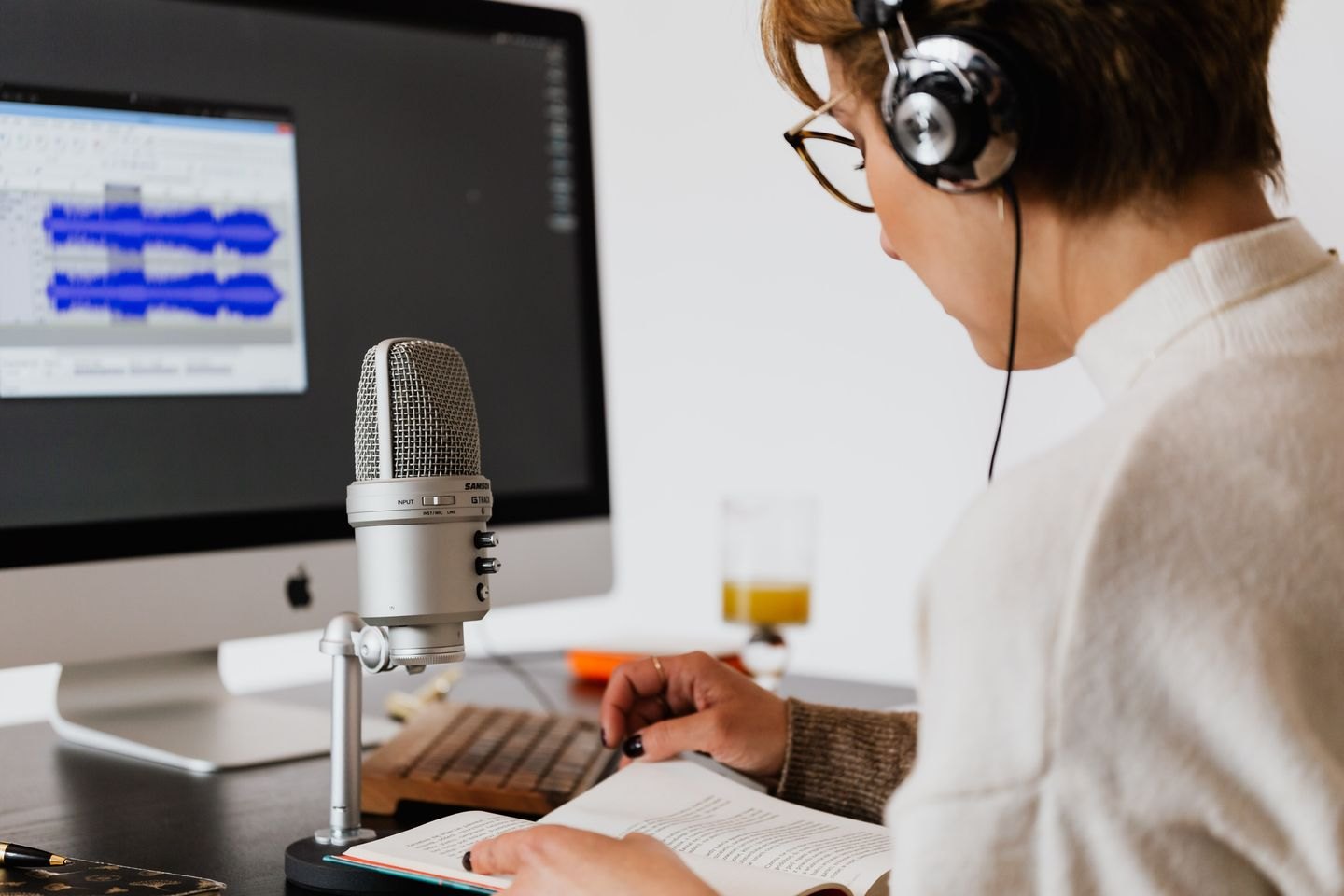
Try dictation as part of a writing routine
Use a small trial to discover which parts of writing become easier when spoken, and which still need a keyboard.
Tools & workflow
A reference manager helps when sources recur and citations need to remain connected to reliable records.

A short personal essay with two sources may not need the same system as a research-heavy book with hundreds. Before adopting a reference manager, identify the recurring difficulty: losing bibliographic details, finding the same source repeatedly, changing citation styles or keeping notes connected to publications.
The tool is most useful when it reduces those repeated tasks. It is less useful when collecting records becomes a substitute for reading and evaluating them. A large library of imported references does not establish that the sources are relevant or that their claims have been checked.
Import a few representative sources: a book, an article, a webpage and any unusual material the project uses. Inspect author names, titles, dates, editions and page information. Automatic capture can save typing, but it can also import incomplete or misleading metadata.
Zotero's documentation describes items, collections, notes and word-processor integration. These features illustrate the distinction between storing a source record and citing it in a manuscript. A collection can help organise a project, while the citation record still needs to describe the source accurately.
Keep notes that distinguish quotation, paraphrase and your own response. Record page numbers or other stable locators when taking notes, rather than planning to recover them later. A reference manager can hold these details, but it cannot infer which sentence in your draft depends on which part of a source.
Insert a citation into a test document using the workflow you expect to use for the book. Add a second citation to the same source with a different page reference, then generate a bibliography and change the style. Inspect the result rather than assuming that automation guarantees correctness.
Test collaboration and export if other people will edit the manuscript. Find out how citation fields should be preserved, updated or converted in that workflow. Keep an editable version before turning fields into ordinary text, because flattening them can remove the connection that makes later updates convenient.
If the book uses a publisher's particular style, compare a sample against that requirement. A named citation style may still need adjustments for unusual source types or house preferences. The tool handles repetition; editorial judgement handles the exceptions.
Choose a modest organisation system and apply it consistently. Project collections, a few useful tags and clear notes may be enough. Avoid spending more time designing categories than recovering sources. Review duplicates carefully, especially when two records refer to different editions rather than the same item.
Back up the library and understand how attachments are stored and synced. A visible citation record does not necessarily mean the associated PDF is available on every device. Choose a reference manager after a complete test from capture to citation to recovery, so the decision rests on the whole research workflow.
Tools & workflow
Use a small trial to discover which parts of writing become easier when spoken, and which still need a keyboard.
Tools & workflow
Organise research by the questions you will return to, with enough source detail to retrace the evidence.