
Author marketing
Describe the reader your book is for
A reader profile becomes useful when it describes a reason to read, rather than an imaginary perfect customer.
Notes on writing, revising and making books. Pick up where your own project is now.

At the beginning / Writing
A promising idea is a starting point. Before committing to a whole book, find the question, movement or experience that can hold it together.
Read the article →Find the shape of an idea, build scenes and arguments, and carry a draft through to its last page.
Read the work again with a purpose: structure, language, continuity and the details that survive to proof.
Prepare submissions, compare routes and organise the decisions between a manuscript and a published book.
Work through type, pages, covers and the different demands of printed books and ebooks.
Describe a book, reach its readers and plan the work around a release.
Choose and organise the software, files and working habits behind a book project.
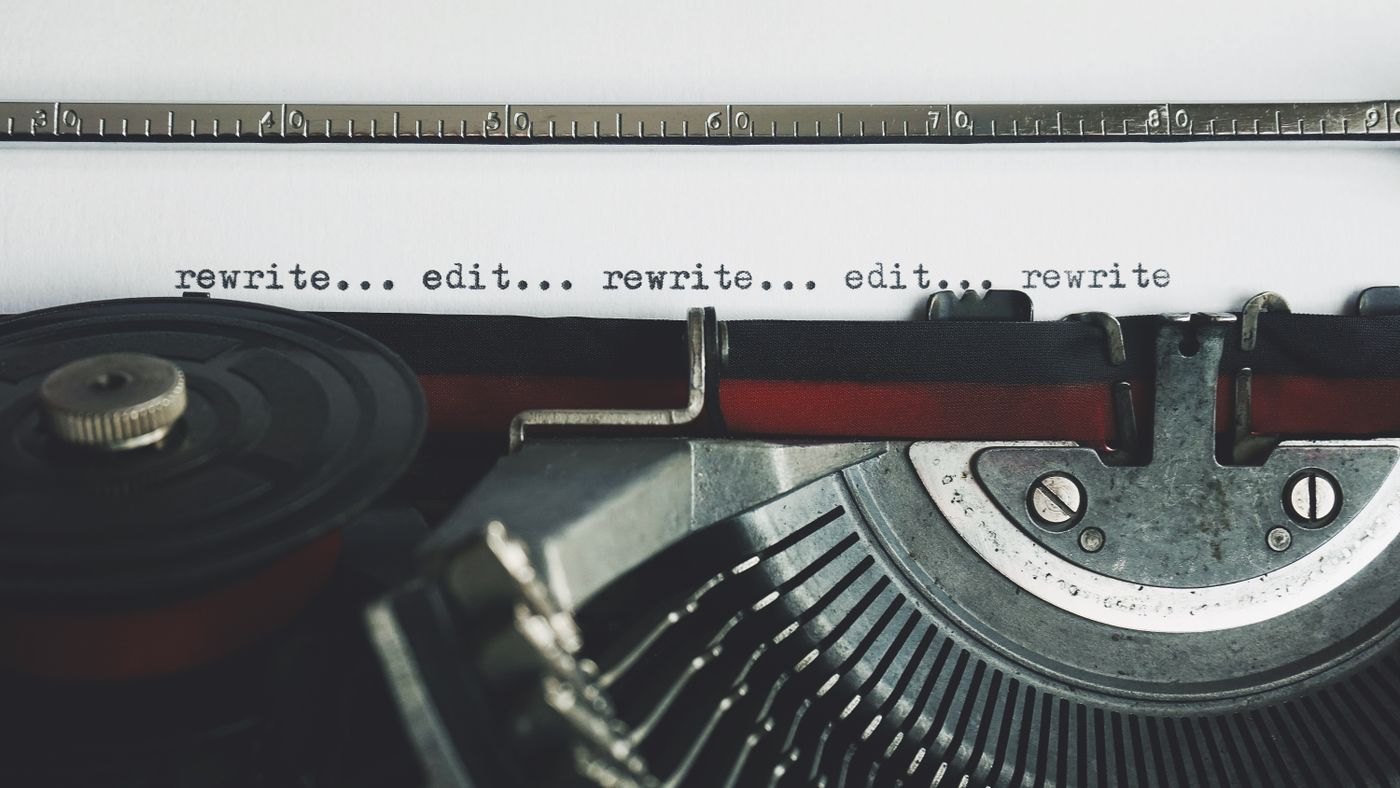
Editing
Turn a broad sense that the manuscript needs work into a short sequence of decisions, with structural changes placed before local corrections.

Publishing
A synopsis reveals how the story develops and ends, with enough cause and consequence to make the shape intelligible.
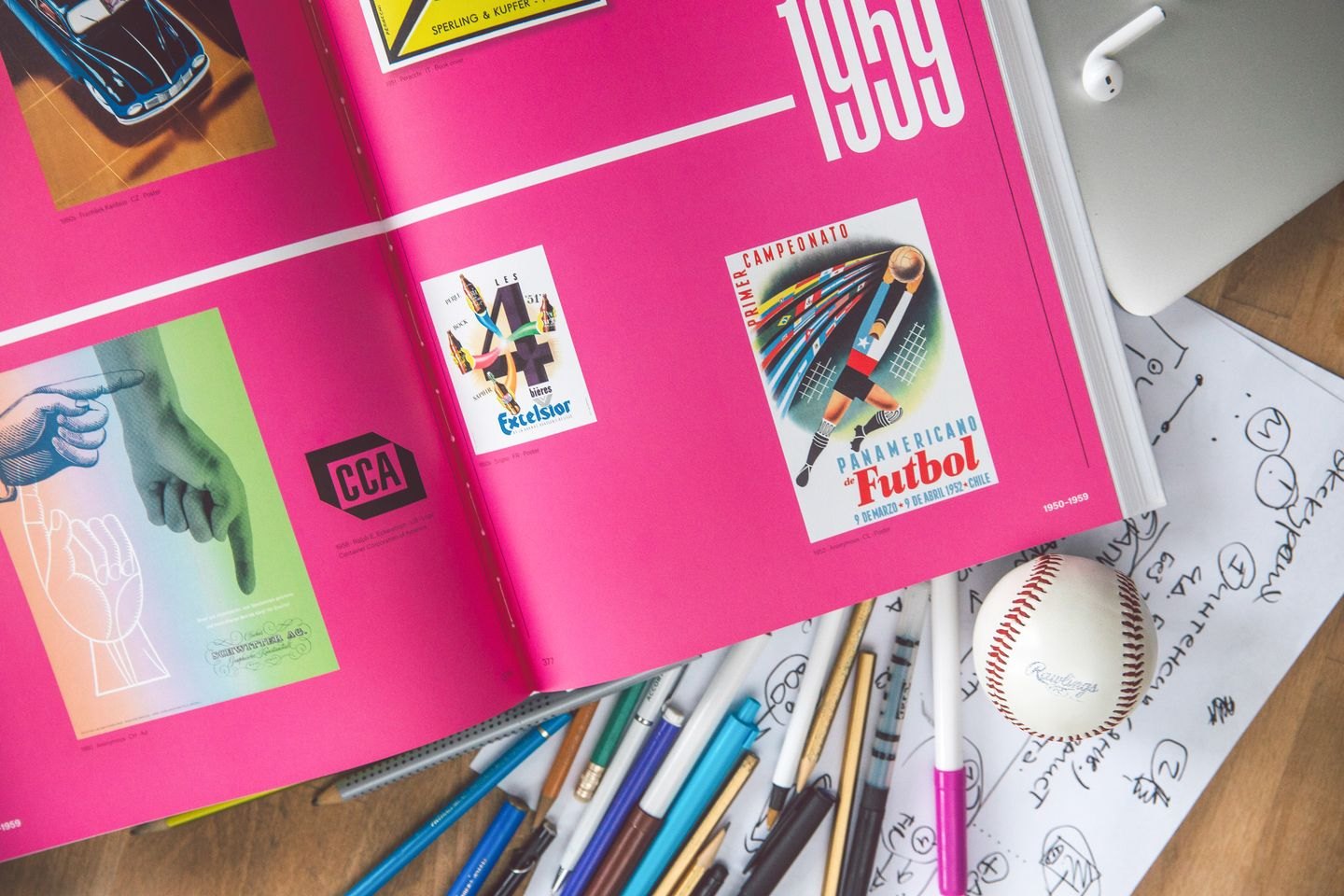
Book design
A cover brief gives a designer something more useful than a preferred colour. Explain the book, its readers and the decisions the cover has to support.
Author marketing
A reader profile becomes useful when it describes a reason to read, rather than an imaginary perfect customer.

Author marketing
Use the first message to confirm the subscription, deliver the promise and explain what happens next.

Tools & workflow
Protect the manuscript, its supporting files and the ability to restore a usable project.

Tools & workflow
Treat export as a conversion that needs its own inspection, especially when the next person uses different software.