
Author marketing
Write a welcome email that sets expectations
Use the first message to confirm the subscription, deliver the promise and explain what happens next.
Author marketing
Choose a schedule from the material and time available, then make the expectation visible.
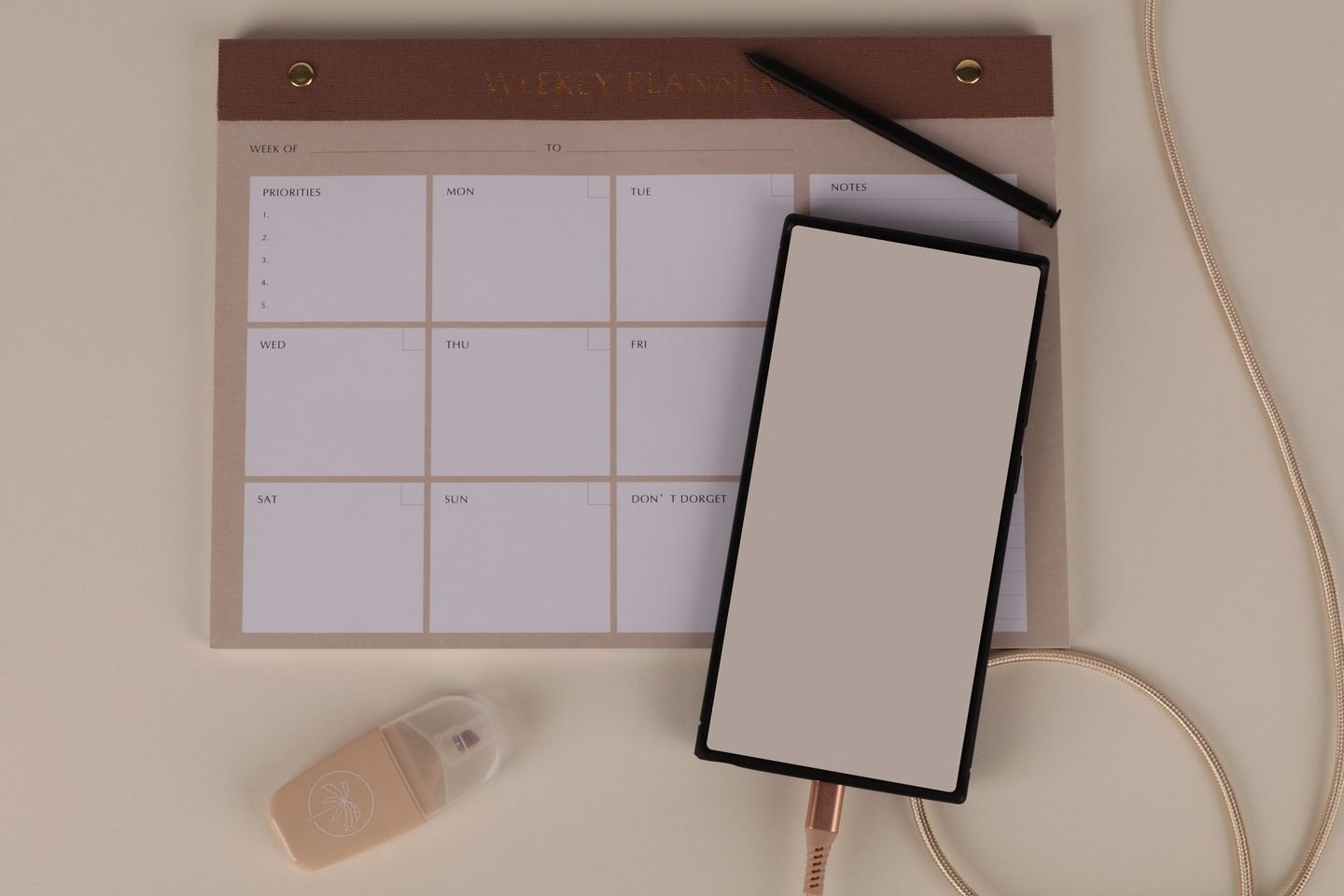
A newsletter schedule can look easy when it exists only as a calendar entry. Draft one complete issue before choosing the rhythm. Include the time needed to find a subject, write, edit, prepare images if any, check links and send a test. The writing itself may be only part of the work.
Look at the supply of material as well as the hours available. A letter built around publication announcements may naturally be occasional. A letter about an active research project may have a steadier flow of subjects. Do not choose weekly publication merely because other writers do it.
Place newsletter preparation alongside the book work it supports. If every issue displaces a necessary writing session, reduce its scope or frequency. A shorter recurring format can be useful: one observation, one reading note and one relevant update, provided those elements suit the actual letter rather than becoming filler.
Keep a small ideas file with enough detail to recover the thought later. A title alone may not remind you why a subject mattered. Add the question, a possible example and any source that needs checking. This lowers the effort of starting without requiring a rigid editorial plan months in advance.
Tell subscribers what to expect using language you can honour. An occasional letter should not be advertised as weekly. A monthly letter does not need to pretend it will always appear on the same date unless that timing serves a purpose.
If circumstances change, explain the new rhythm briefly. A planned break or a shift to less frequent messages is easier for readers to understand than repeated promises that the next issue will return to an unsustainable schedule. Keep any signup wording in line with the change.
After a few issues, review the time spent and the quality of the available material. The right rhythm is the one that leaves enough substance for each message and enough attention for the author's other work. A calendar should support that relationship, not become a reason to send an empty letter.
Author marketing
Use the first message to confirm the subscription, deliver the promise and explain what happens next.

Author marketing
A launch becomes easier to manage when each activity has an owner, a dependency and a reason to exist.