Editing
Track character details without building a database
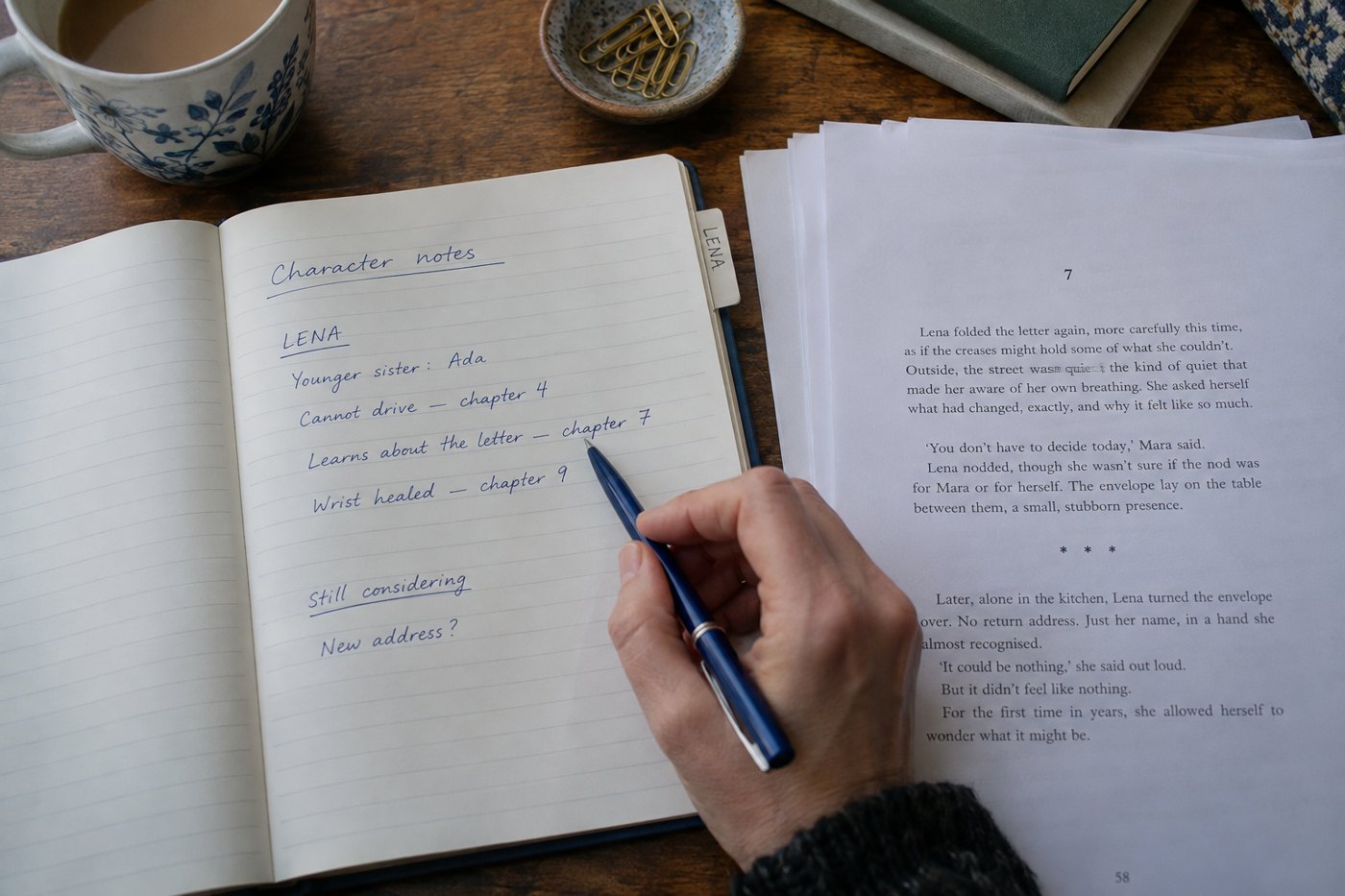
A small continuity record can save a long search. Record the details that constrain later scenes, rather than everything you know about the cast.
Editing
Dates, travel and elapsed time can contradict a story even when each scene reads well. A separate chronology makes those clashes easier to find.
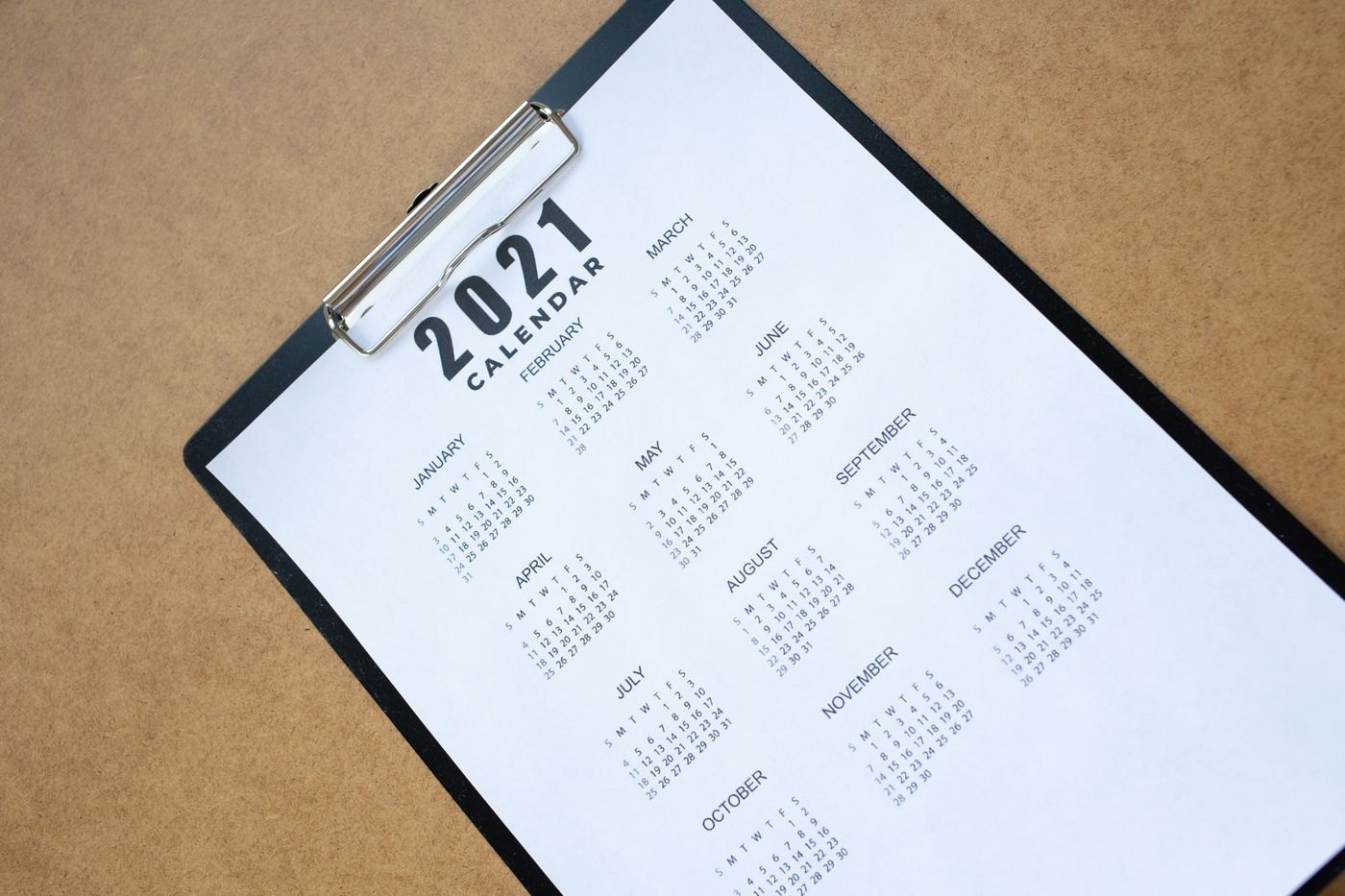
A novel has the order in which events happened and the order in which the reader encounters them. Those orders may be very different. To check the calendar, first write down the events in chronological order, including the important events that occur before the opening. Keep chapter or scene references beside them so you can return to the narrative order later.
Use the level of precision the story requires. A family saga may need years, seasons and ages. A thriller covering one weekend may need hours, journey times and the opening hours of a particular building. Assigning exact dates to every breakfast will not help if the real problem is that a child ages three years during a six-month interval.
Choose an anchor you can trust within the invented world: the day of the wedding, the start of term, a character’s birthday. Work outwards. If the manuscript says a visitor arrives three days before the wedding and leaves on Monday, those statements constrain one another. Record the words used in the draft as well as your calculated date.
Make a row for an event, its date or time, the evidence in the manuscript, and any unresolved question. “Thursday evening; chapter six; shop already closed?” identifies something to check. A bare Thursday does not explain why that date matters or how certain you are about it.
Look for transitions between scenes. A journey begins at dusk and ends in bright afternoon; a conversation described as yesterday happened two chapters earlier on the same morning. The mistake may be in a small linking phrase rather than the event itself. Search terms such as yesterday, tomorrow, last week and hours later can locate these joins, although a search cannot replace reading the sequence.
Include recovery, preparation and waiting. The plot may depend on obtaining a document, learning a skill or travelling with an injured person. Check whether the allowed interval supports the action. If a real-world process is involved, verify it for the place and period of the story instead of assuming the modern version applies.
Suppose a dinner must occur on Friday, but the previous chapter puts the characters a day’s journey away on Friday afternoon. You might move the departure, change the journey or change the dinner. Before choosing, identify which detail carries narrative weight. Moving the dinner may break an alibi; changing one incidental afternoon reference may solve the problem cleanly.
Keep a note of the chosen resolution and the passages it affects. Recheck ages, days of the week and relative-time phrases downstream. Avoid correcting only the first visible contradiction while leaving the chain that produced it intact.
For a historical setting, distinguish verified calendar facts from invented scheduling. An ordinary calendar can help check dates and weekdays, but it will not tell you about local holidays, transport restrictions or how people in that setting measured their days. Research the details that the plot actually uses.
Finally, read the story without the chronology beside you. The calendar can be internally consistent while the prose leaves readers unsure whether an hour or a month has passed. Add the smallest useful cue where orientation is lost. Accuracy and clarity are separate jobs, and the finished draft needs both.
Editing
A small continuity record can save a long search. Record the details that constrain later scenes, rather than everything you know about the cast.
Editing
Treat figures as claims that have to agree with their context. A number check includes units, dates, comparisons and the calculations behind the sentence.