Writing
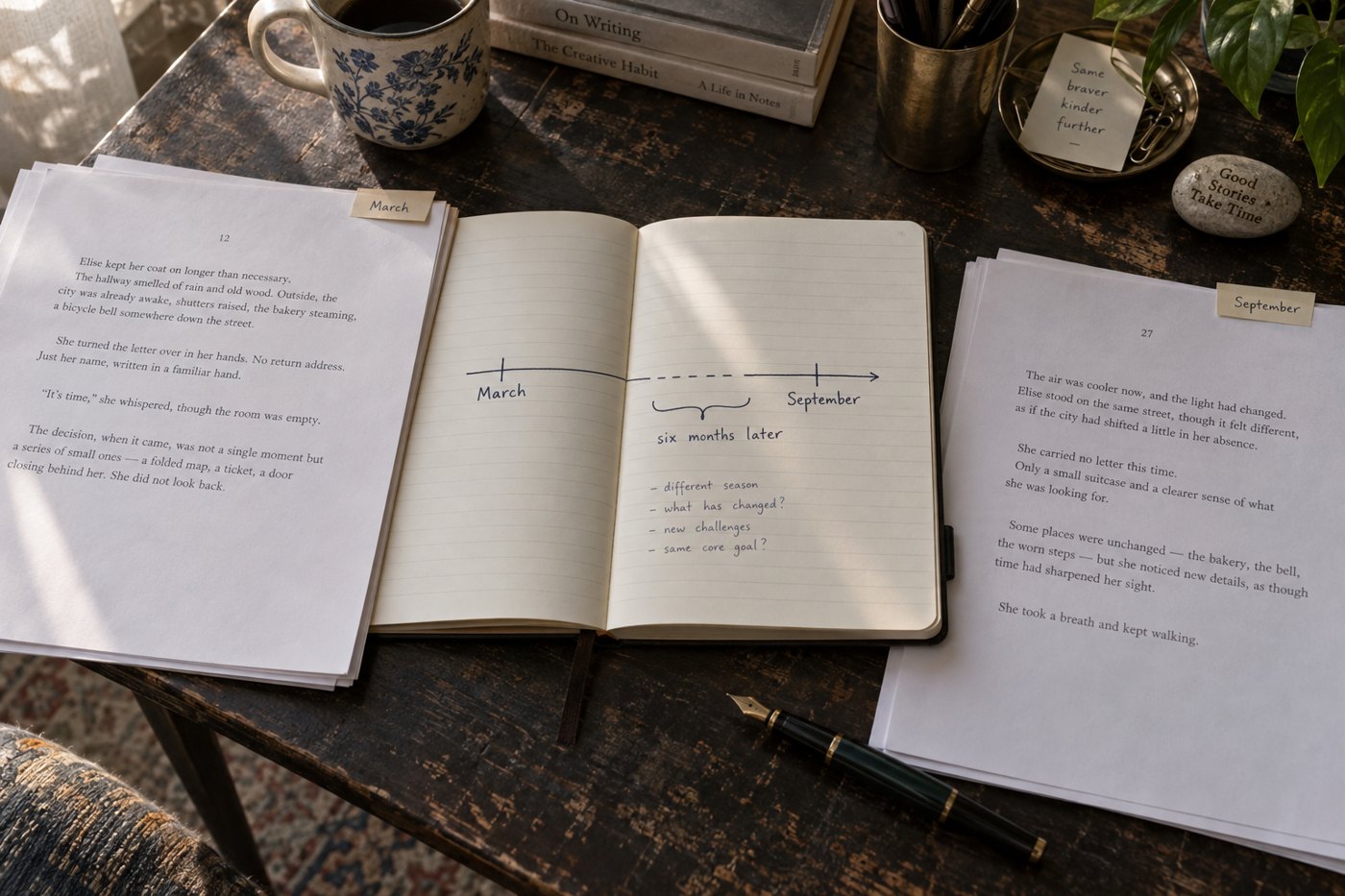
Keeping readers oriented through a time jump
A time jump can leave events behind while giving readers enough bearings to understand the new present.
Writing
A flashback is most useful when an earlier event changes the meaning or direction of the present scene.
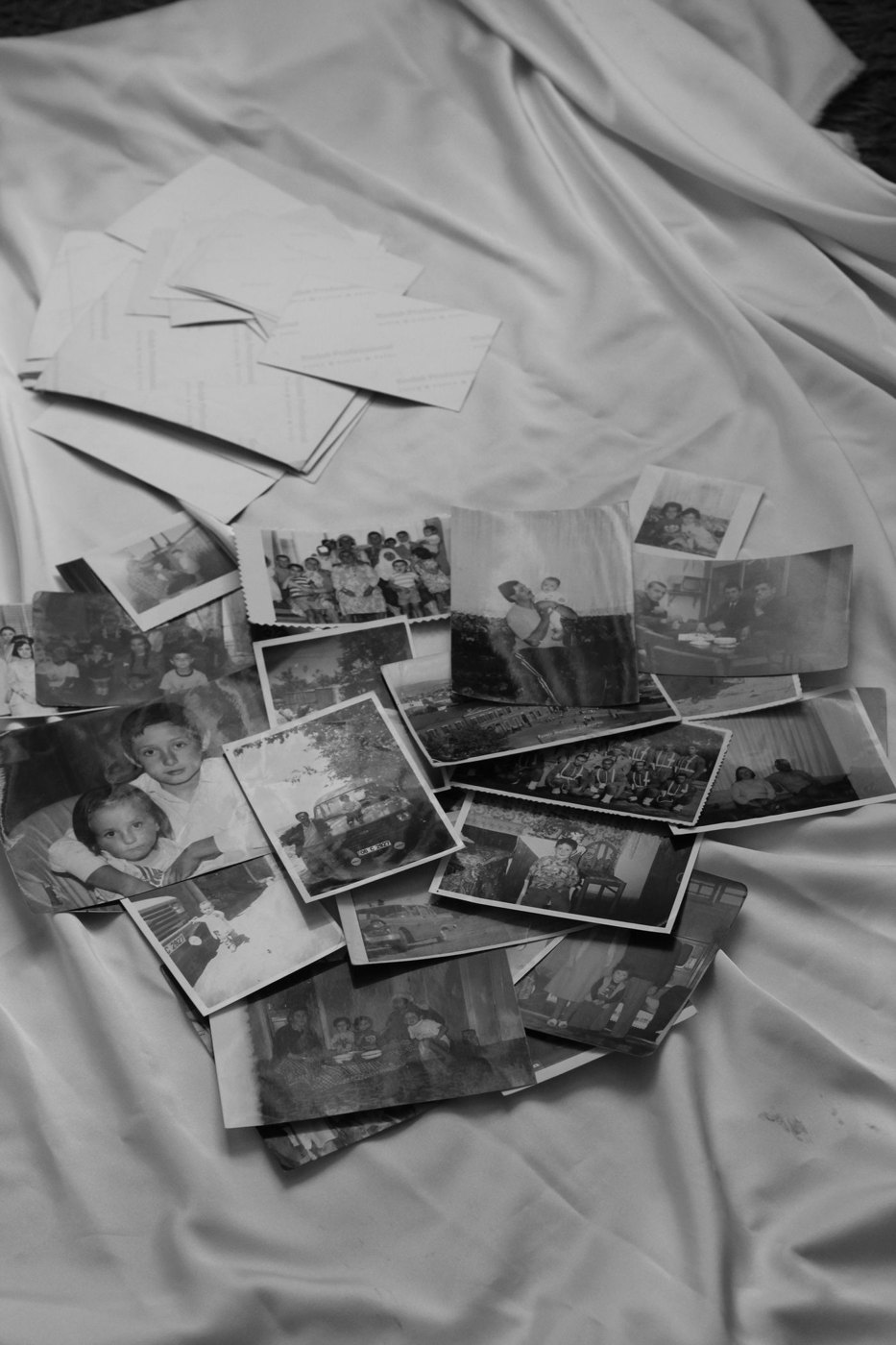
A character sees an old photograph while clearing a room. The picture could introduce childhood history, but its presence alone does not make a full flashback necessary. Ask what the character is trying to do now and how this particular memory changes that task. Perhaps the photograph contradicts the story they were about to tell a sibling. The past has a present consequence.
Write the current scene without the flashback and note what becomes unclear or less powerful. If the scene works in exactly the same way, the memory may be interesting background rather than essential dramatic material. You could shorten it to a few lines, move it to a later moment or leave it in your planning notes.
A flashback can reveal more than information. It may expose the narrator's selective memory, show how a repeated gesture has changed meaning or make a present refusal understandable. Choose the earlier event that performs the needed work. Do not automatically begin with the earliest incident in the character's history.
A long flashback should offer more than an illustrated explanation. The younger character should be doing something, encountering resistance and leaving the scene with a changed condition. The reader's attention can then follow an event rather than waiting for a biographical paragraph to finish.
Limit the material to what the present story needs. If the photograph recalls one consequential afternoon, you probably do not need to describe the entire summer first. Enter close to the action that matters. A few selected details can establish the earlier time and the character's younger understanding.
Be clear about the source of the memory. A person recalling childhood cannot reliably narrate a private conversation they never heard unless they learned about it later. The older narrator may interpret the event, but that interpretation should remain distinguishable from what the younger self understood at the time. This distinction can itself create interest.
The return to the present should do more than close a bracket. Let the recalled event alter an action, an inference or a willingness to speak. The character might put the photograph aside, ask a different question or abandon the explanation they had prepared. Readers then see why the story travelled backward at this moment.
Use a clear transition into and out of the earlier period. A change in tense, a time phrase, a section break or a repeated sensory detail may be enough. Check the first few sentences after each transition with a reader who does not know your chronology. If they are unsure when the scene occurs, add a small orienting signal.
Finally, consider frequency. Repeated interruptions can keep the present story from developing its own momentum. Several short recollections may work better than one large scene, or one well-placed scene may replace scattered explanations. Choose the form that lets the past exert pressure on the present without making the present feel like a waiting room.
Writing
A time jump can leave events behind while giving readers enough bearings to understand the new present.
Writing
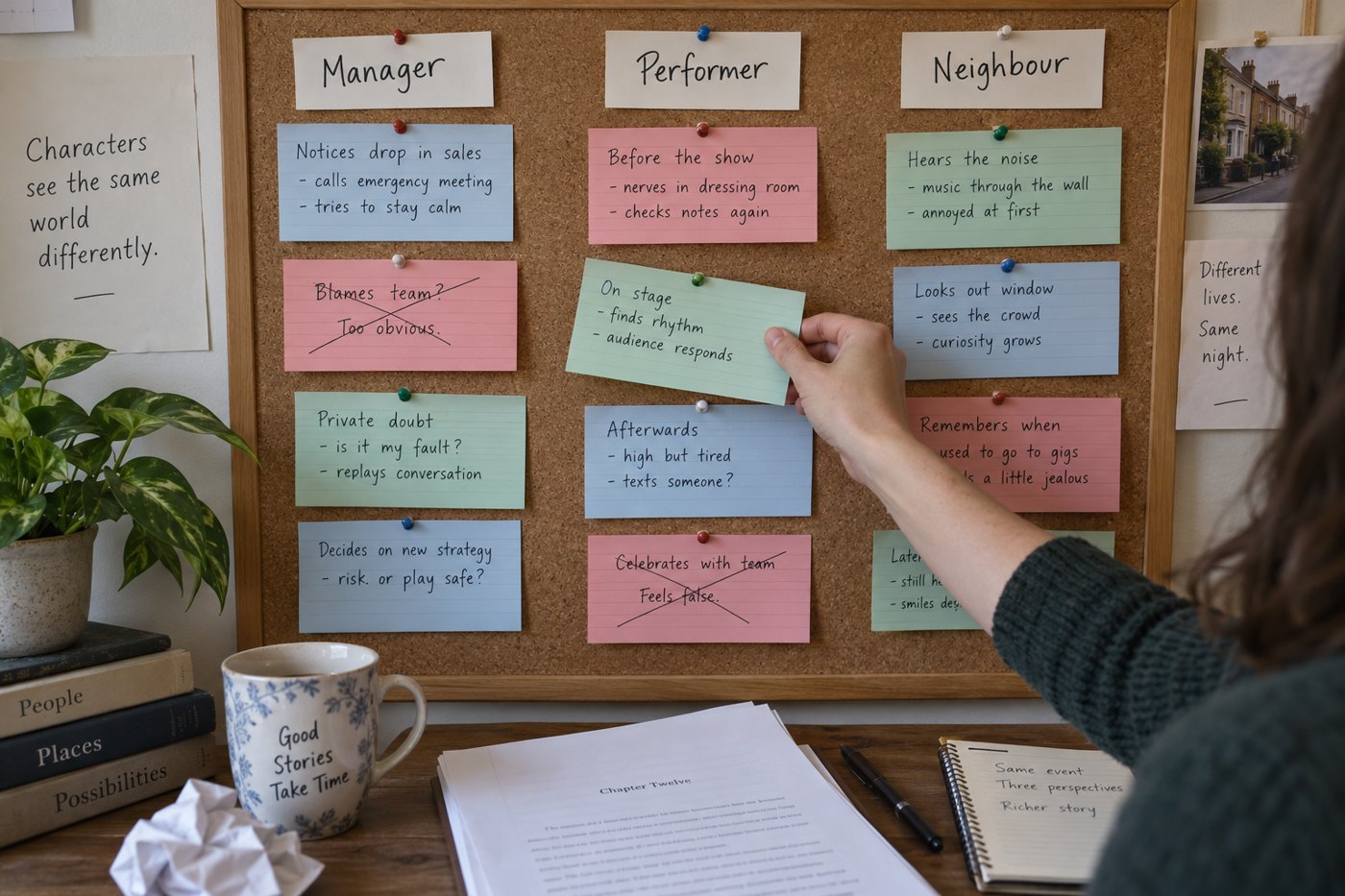
Several viewpoint characters need distinct reasons to be present and a shared story that their perspectives can change.