Writing
Planning several viewpoints without losing the story
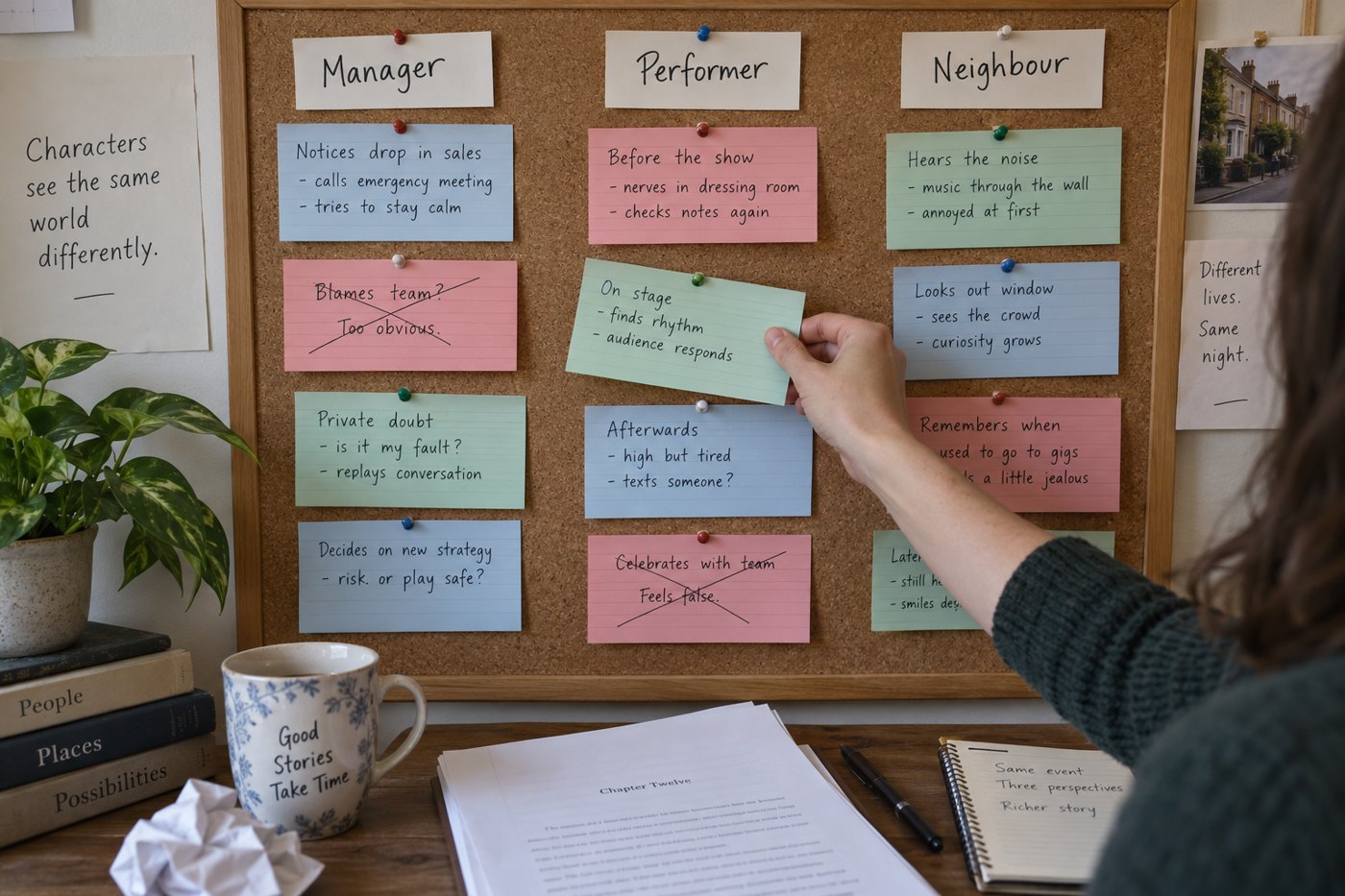
Several viewpoint characters need distinct reasons to be present and a shared story that their perspectives can change.
Writing
A subplot needs its own movement and a meaningful connection to the main action.
In a story about a teacher organising a school performance, a subplot might follow her effort to repair a friendship with a former colleague. The friendship should involve a specific difficulty and a sequence of choices. Merely mentioning the colleague between rehearsals does not create a subplot; the relationship needs to change.
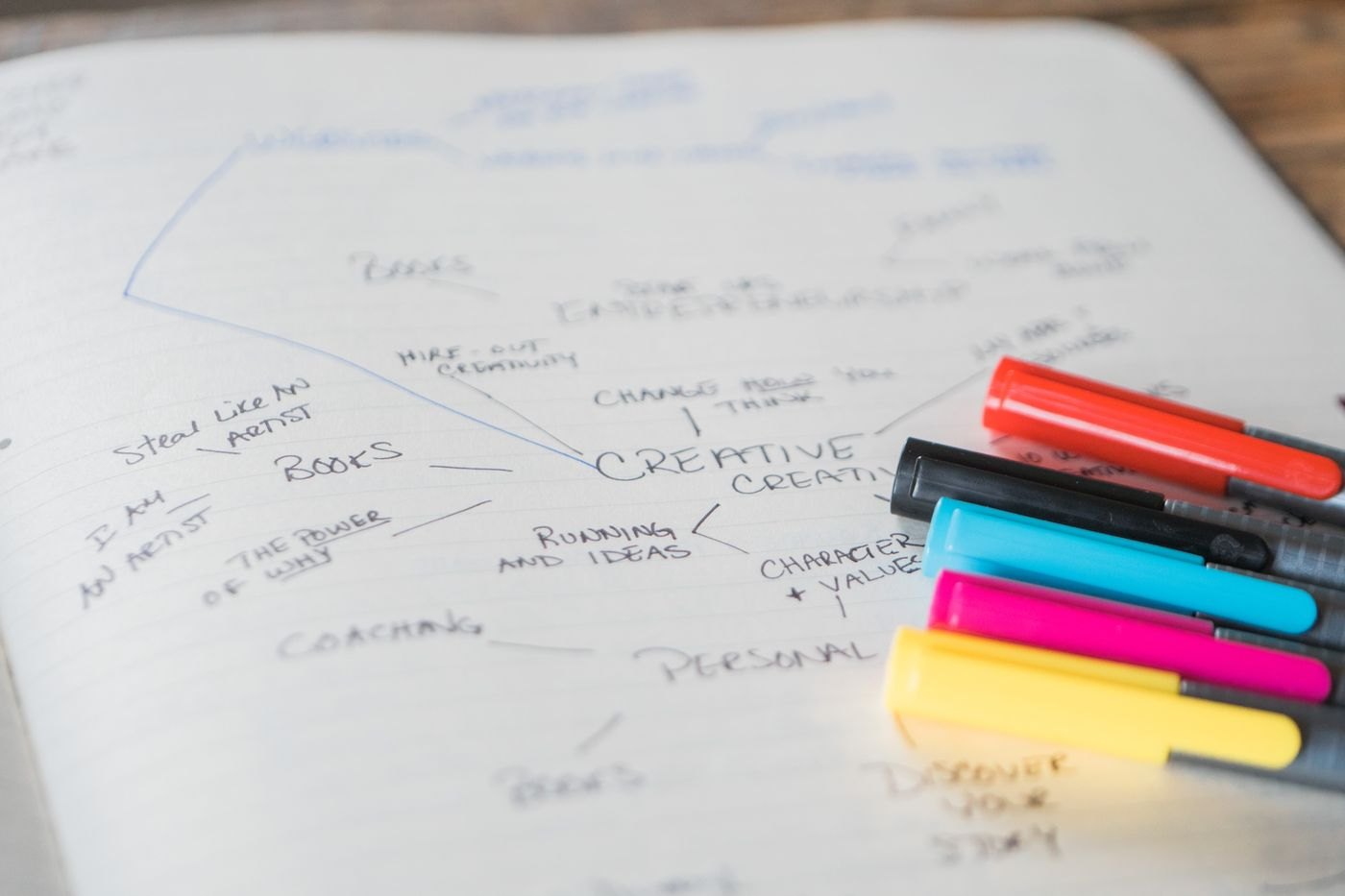
Write the secondary pursuit in one sentence. Then identify an initial condition, a complication and a possible outcome. The outline can be brief. Its purpose is to show that the subplot has movement rather than functioning only as atmosphere or relief from the main story.
A subplot does not need a large cast or a separate setting. It may unfold through three conversations, a series of unsuccessful visits or a small practical task. Choose a scale the book can support. A short novel may have room for a compact secondary movement while a sprawling independent plot would pull attention away from its centre.
The easiest connection is often a shared theme, but theme alone can be weak. Look for a practical or emotional link. The former colleague might control access to rehearsal space, or the teacher's behaviour during the production might repeat the habit that damaged the friendship. Progress in one strand then changes the conditions of the other.
Avoid turning the secondary character into a device that exists only to help the protagonist. Give the colleague a reason to accept or refuse a request that makes sense from their own position. They may want an apology but dislike being approached only when their assistance is needed. Their response creates pressure because they have an interest beyond the main plot's convenience.
Connections can run in either direction. A crisis in the production may force an honest conversation. A decision in the friendship may remove a solution the teacher was relying on. Map these crossings. If the two strands never affect one another, consider whether the subplot belongs in this book or whether its relationship to the main story needs to become more concrete.
Introduce the secondary movement early enough for readers to understand that it matters. A major unresolved relationship arriving near the ending can seem like a new book beginning. At the same time, avoid explaining the entire history before the reader has a reason to care. A tense exchange can establish the current difficulty and leave earlier causes to emerge later.
Check where the subplot disappears. An absence can be purposeful, especially when the main action prevents attention to it. But a long silence followed by a convenient resolution may feel as though the writer forgot the strand. A brief consequence or changed expectation can keep it alive without demanding a full scene.
The ending of a subplot can precede the main climax, feed into it or remain partly unresolved. Choose according to its job. If the repaired friendship makes the final performance possible, show the repair before relying on its result. If it reveals the cost of the teacher's choices, its final scene may belong afterward, when the apparent success can be viewed from a different angle.
Writing
Several viewpoint characters need distinct reasons to be present and a shared story that their perspectives can change.
Writing
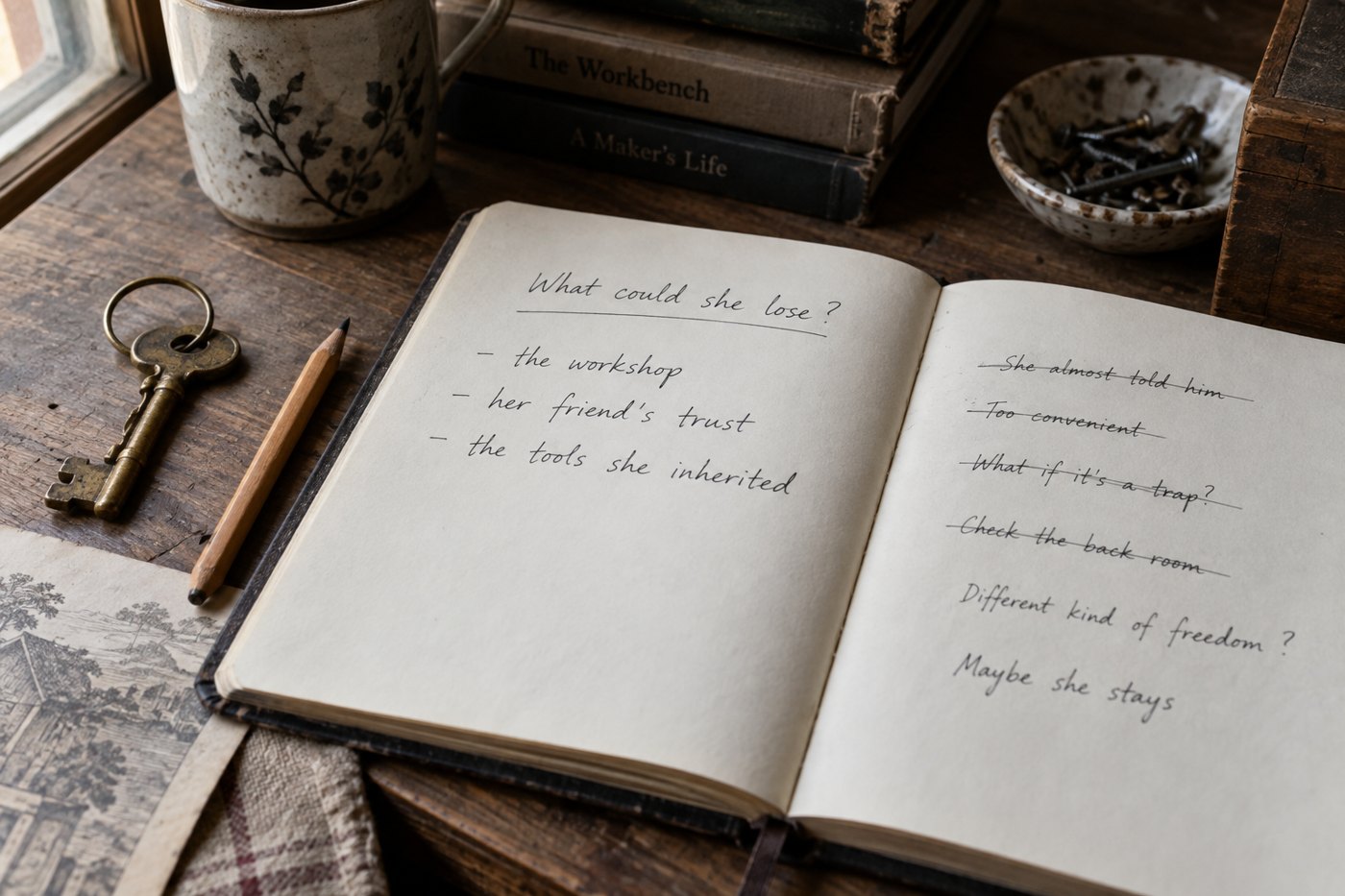
Consequences become legible when readers know what a person values and how a particular outcome would alter it.