
Writing
Give a nonfiction book a question to answer
A central question helps you decide what evidence belongs, what a chapter must establish and where the book should stop.
Writing
A scene earns its space through the difference between how it begins and how it leaves the story.
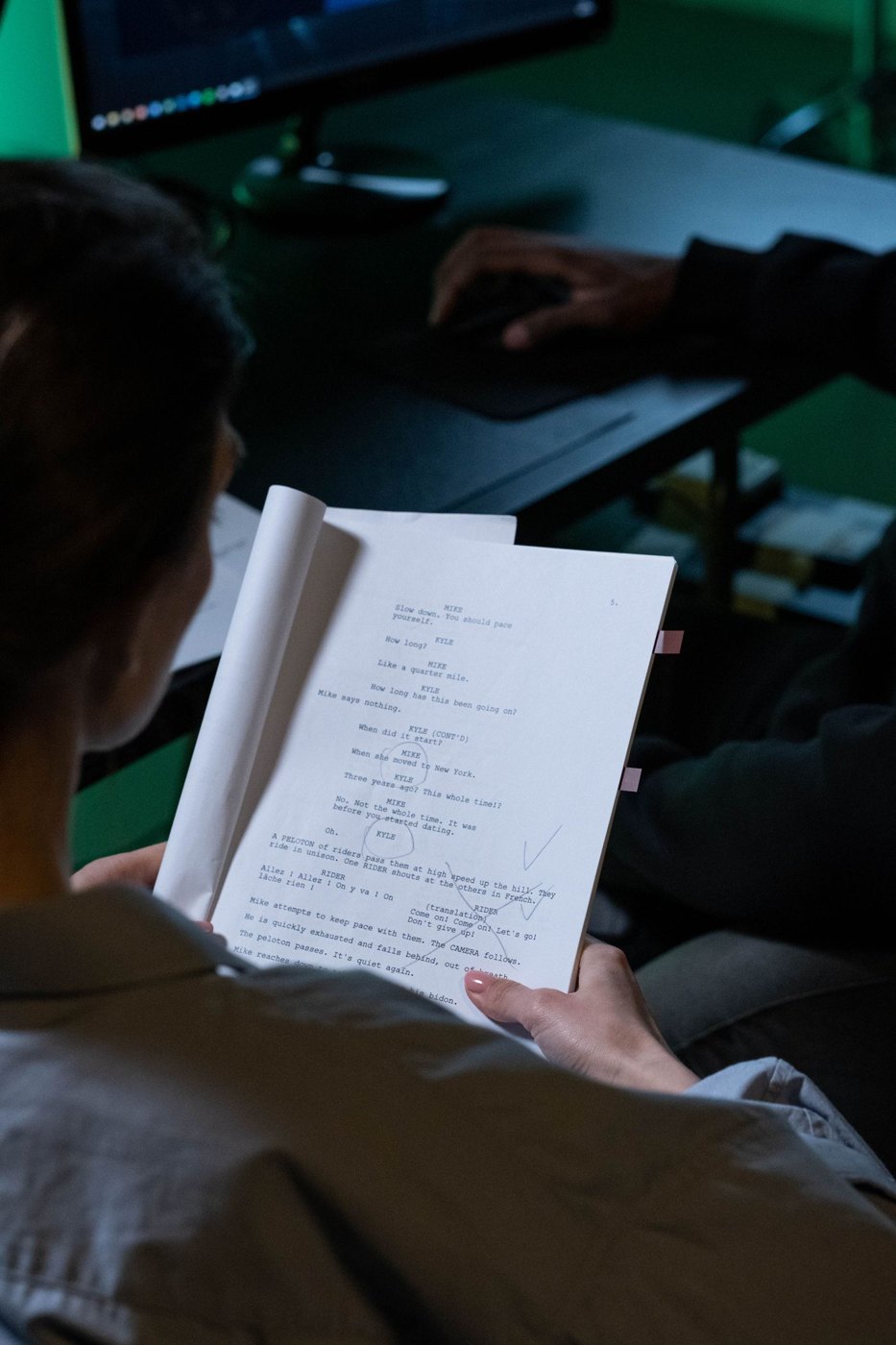
Imagine a scene in which a daughter asks her father for the key to an empty family shop. At the start, she expects an argument about money. By the end, she discovers that he has already given the key to her brother. No explosion, confession or chase is required. Access has changed, an assumption has failed, and the next conversation will have a different purpose.
This is one way to think about scene movement: something important becomes different while the reader is present. The difference might concern a plan, a relationship, a piece of information, a degree of trust or a practical possibility. It does not always need to be a reversal. A tentative intention can become a commitment. Suspicion can become evidence. An apparently secure agreement can acquire a condition.
Write two sentences beside a troublesome scene: 'Before this scene...' and 'After this scene...'. Describe the story's condition rather than the actions that occur. 'They have lunch' tells you what happens. 'She believes he will help' becoming 'She knows his help comes with a demand' tells you what the lunch changes. If the two conditions are effectively identical, examine whether the scene is repeating work done elsewhere.
A result feels earned when it emerges from something people do, say, withhold or misunderstand. In the shop example, the father might avoid answering until the daughter places a prepared lease on the table. Her attempt to make the proposal concrete forces him to disclose the earlier promise. The scene's action produces the information instead of waiting for the author to deliver it.
Decide what each participant is trying to accomplish. Their objectives need not be openly opposed. The daughter wants access; the father wants to avoid admitting he has taken sides. Both might claim to want a calm conversation. Their methods create the pressure: she asks increasingly specific questions while he speaks about family loyalty. Dialogue, gesture and silence become parts of the same negotiation.
Then look for the moment when the old approach stops working. This might be a line of dialogue, the appearance of an object or the failure of an expected response. Give that moment enough room. A scene can contain pages of preparation and then rush past its most consequential beat in a clause. Let the reader register the discovery before the character begins explaining it away.
A character can cross a city, answer six calls and collect three parcels without changing the story. Conversely, someone sitting beside a hospital bed can make a decision that redirects a whole book. Physical activity may supply urgency or texture, but it is not a substitute for consequence.
Ask what later material depends on this scene. The answer should be specific. A later accusation might depend on the withheld key; a later reconciliation might depend on the daughter noticing her father's shame. If removing the scene changes nothing, you may need to combine it with another scene, summarise its information or give its events a consequence that persists.
Do not force a dramatic outcome onto every encounter. Rest, companionship and routine can matter because they establish what someone values or allow the effects of an earlier event to become visible. A quiet breakfast might show a formerly defensive character accepting help. The change is modest, but it alters how we understand the relationship. The problem is not quietness; it is indistinguishable repetition.
A scene's ending should usually reflect its new condition. After learning who holds the key, the daughter may abandon her rehearsed speech and ask for her brother's address. That action shows the new direction without a paragraph announcing that everything has changed. An ending can also hold on a refusal, a physical detail or a silence whose meaning has shifted.
Review the opening after you identify this departure point. You may be able to enter later, closer to the attempt that matters. Details included only to stage the room or bring everyone through the door can often shrink. Preserve the context readers need to understand the change; remove the preparations they do not need to witness.
Finally, read the following scene. Does it behave as though the change occurred? Characters should not return automatically to their earlier knowledge or intentions. Sometimes the most useful revision happens one scene later, when you allow the new situation to exert its full pressure.
Writing
A central question helps you decide what evidence belongs, what a chapter must establish and where the book should stop.
Writing
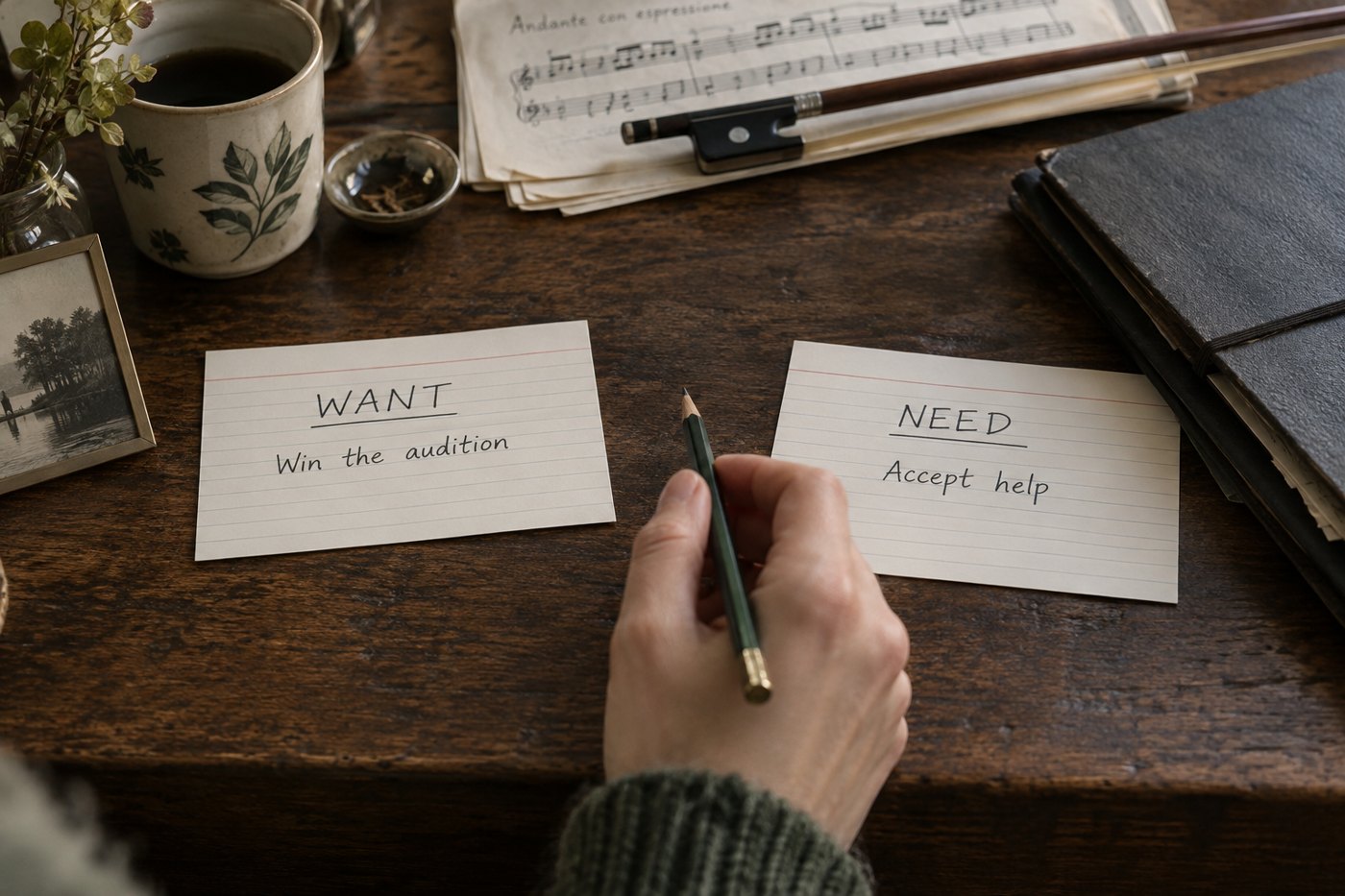
A character can pursue a clear objective while misunderstanding the change that would make their life different.