Author marketing
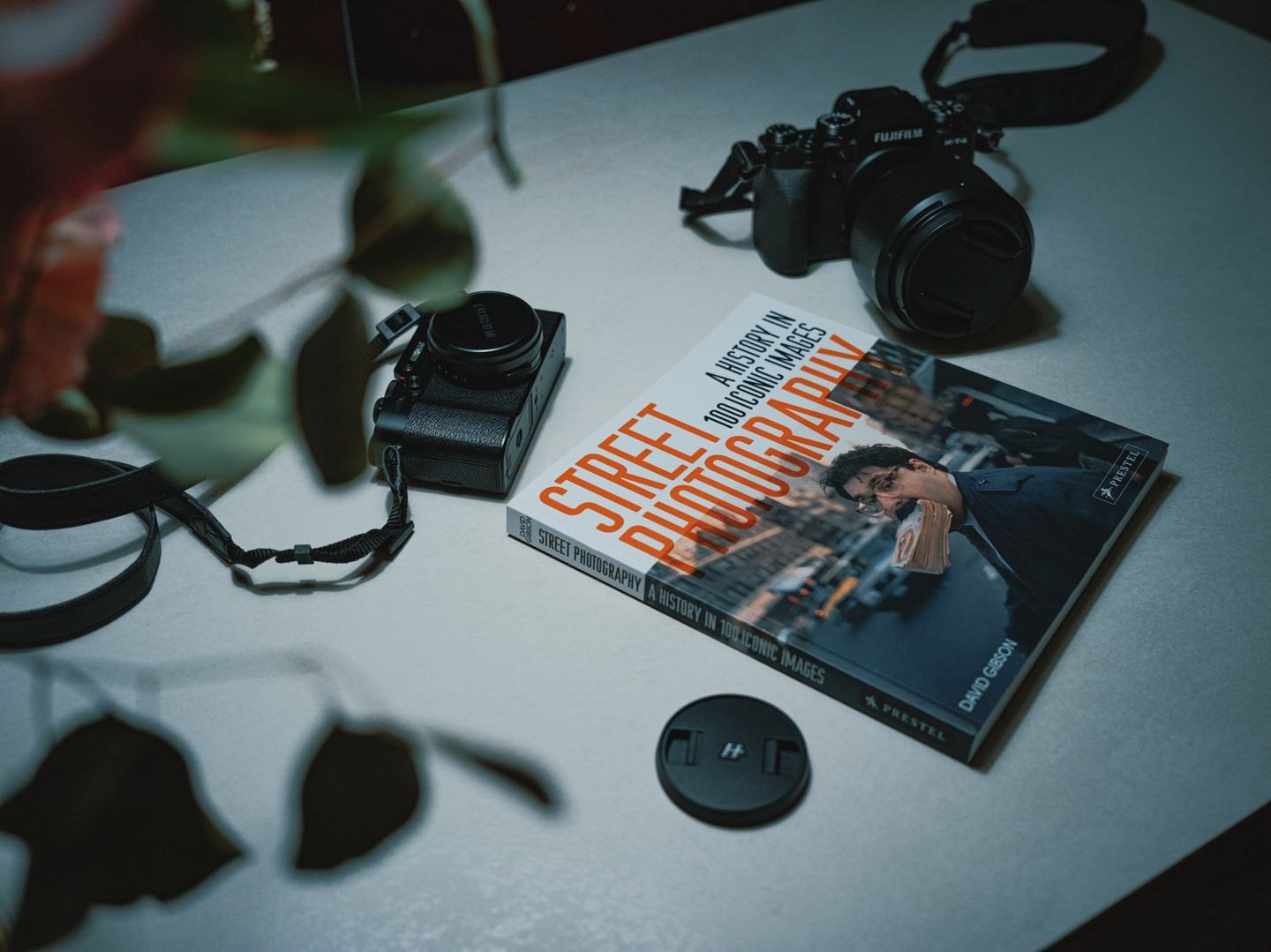
Photograph a physical book for a website
Use light, angle and a simple background to show the physical book clearly.
Author marketing
Give a trailer a defined audience, destination and message before investing in production.
A book trailer can introduce a premise, establish an atmosphere, support an event or provide a short asset for a particular channel. It is less useful when its only purpose is that other books have one. Write down what a viewer should understand or do after watching, and where that viewing is likely to happen.
The answer affects length, pacing and format. A video shown before a live reading has a different setting from a silent clip encountered on a phone. A detailed explanation may suit an author's website but lose its point in a fast-moving feed. Plan for a real placement rather than an abstract idea of “online.”
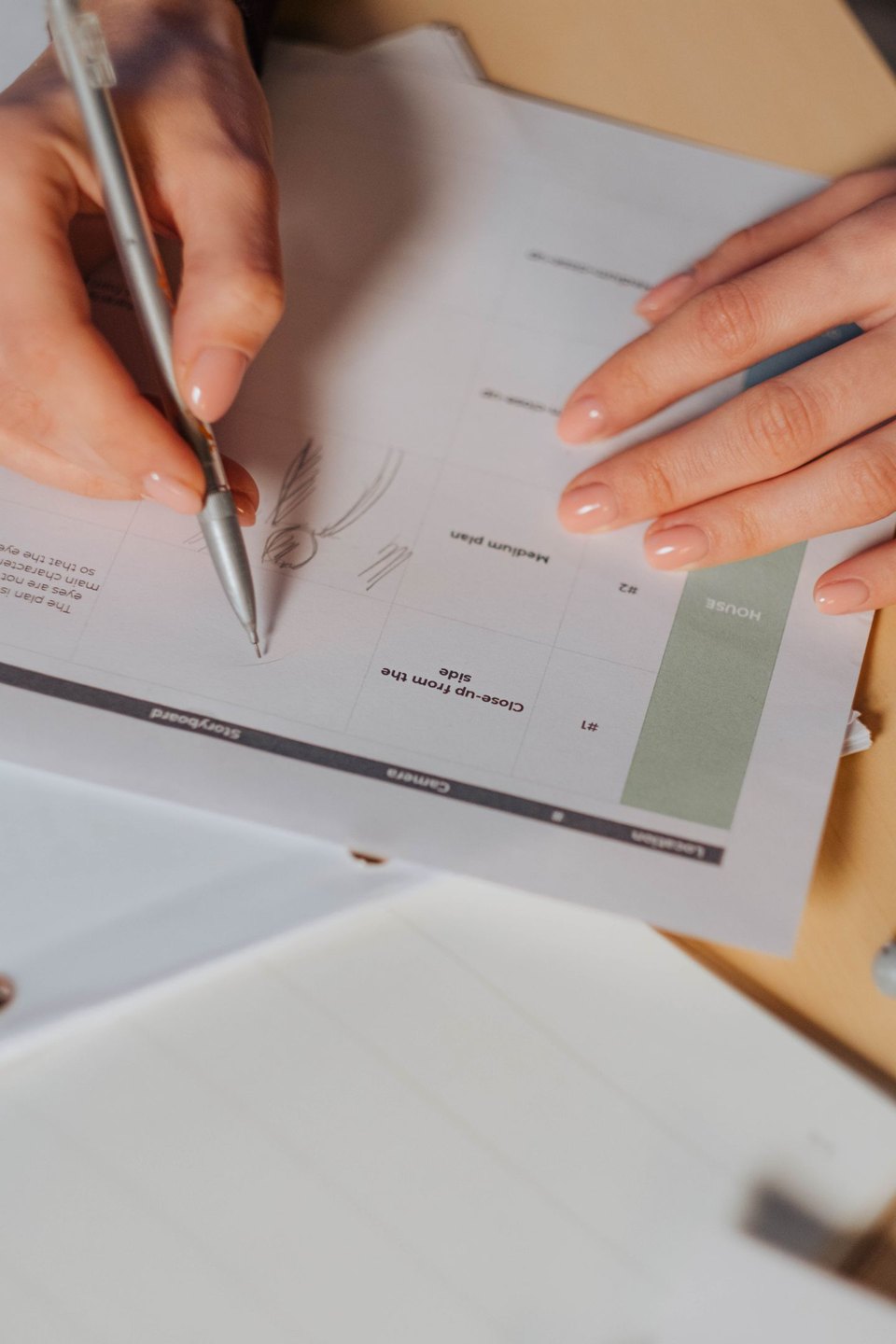
Create a simple sequence of frames or notes. Identify the opening image, the central idea, the information that must be readable and the final destination. If the sequence cannot explain the book without a long block of text, the concept may need narrowing.
For fiction, decide how literally to depict characters and settings. Specific casting and imagery can establish expectations that the book does not share. An atmospheric treatment may leave more room for readers' imagination, but it still needs a connection to the actual story. Generic dramatic footage can make very different books look interchangeable.
For nonfiction, a concrete question or demonstration may work better than a series of claims about the book's importance. Give the viewer a small piece of understanding. The trailer should not promise an outcome that the book cannot reasonably deliver.
Include planning, footage or illustration, music rights, editing, captions, revisions and versions for different placements. A short video can require substantial coordination. Compare that effort with the other work needed to make the book discoverable and available.
Confirm permissions for every component, including music, images, typefaces and quoted material. Keep the relevant licences with the project. Material being visible online does not establish that it can be reused in a promotional video. If rights are unclear, change the component before building the edit around it.
Provide captions for spoken information and ensure essential meaning does not depend only on audio. Check text at phone size and allow enough time to read it. A final frame should identify the book and give a sensible next step without presenting several competing instructions.
Test the video in the actual placement, including its first frame and sound-off behaviour. Ask a viewer unfamiliar with the project what they think the book is about. Their answer can reveal a mismatch between the intended message and the assembled images.
If the concept has no clear job or the required resources are disproportionate, keep the storyboard and choose a simpler asset for now. A trailer is one possible way to communicate a book. Its value depends on what it explains and where it will be used.