Book design
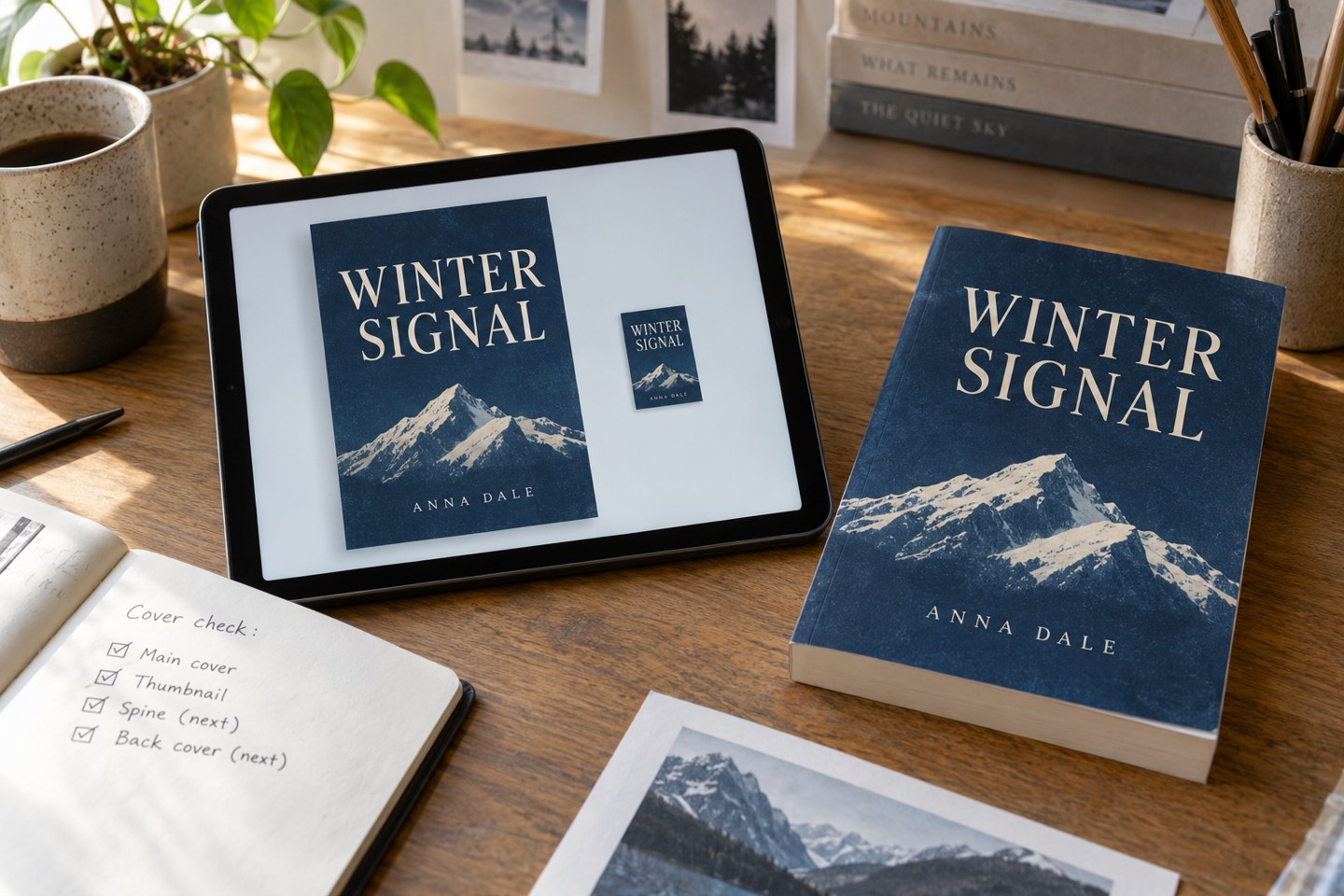
Test a book cover at thumbnail size
A cover can look clear at full size and lose its hierarchy in a small listing. Test what remains visible in the places readers will actually see it.
Book design
Spine width depends on the finished physical book. A provisional page count is useful for planning, but the final cover must use the printer’s actual specification.
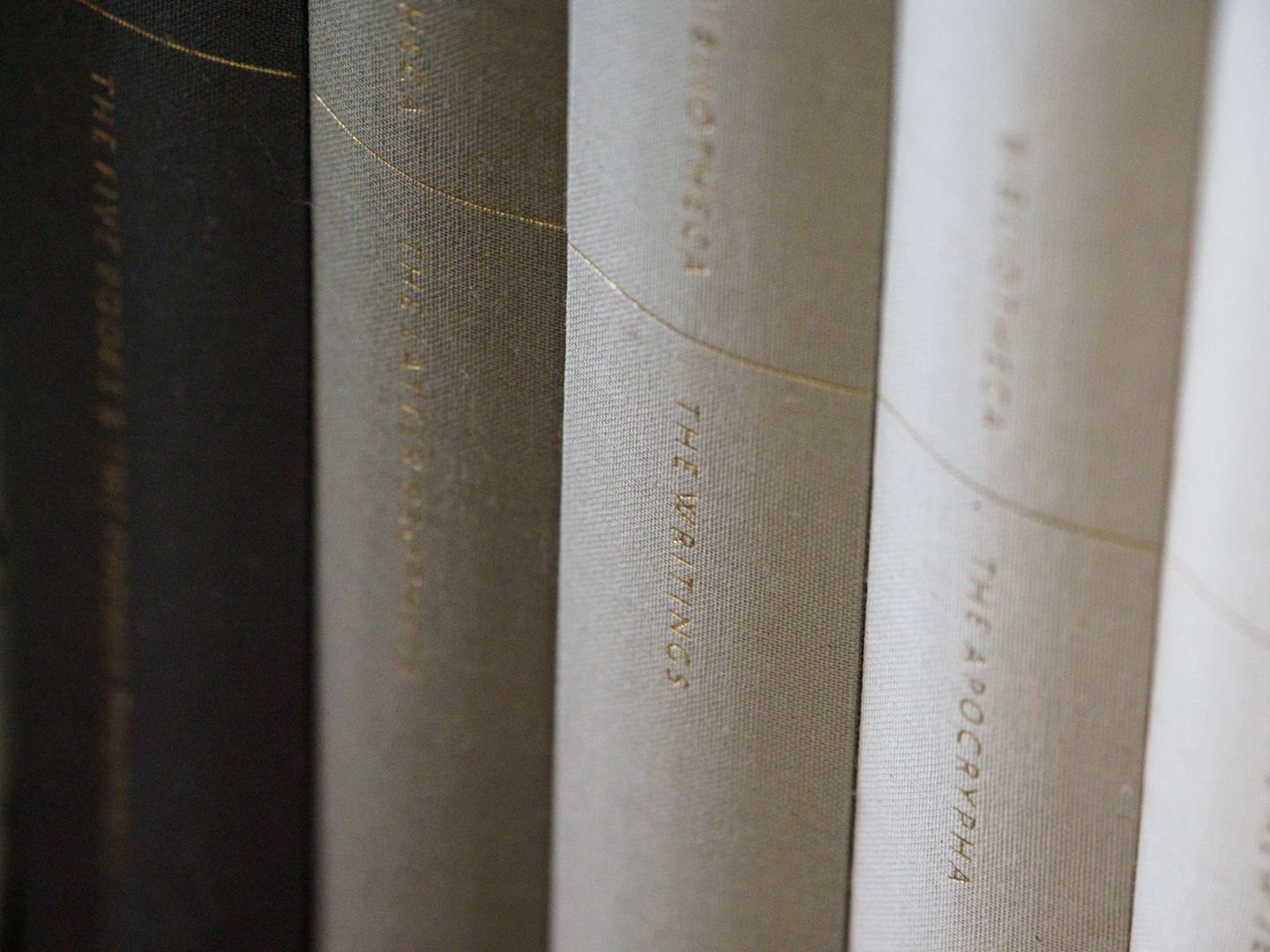
The page count used for a spine is not the number displayed on the final numbered page. Front matter, blank pages and other unnumbered material can still occupy paper. Use the count required by the printing service for the final interior file, and check how that service handles any added or rounded pages.
A manuscript’s word count cannot supply the same answer. Type size, margins, illustrations, chapter openings and trim size all affect the number of laid-out pages. A cover designed around an early estimate may need a different spine once those choices are fixed.
Paper and binding matter too. Two books with the same page count do not necessarily have the same thickness. Ask the printer for the appropriate template or calculator and enter the actual format and paper specification. Do not carry a formula from a previous project into a different production route without checking it.
Give the designer the final interior page count and the corresponding template together. Identify their version in the handover. If pages are added after that point, flag the change explicitly instead of assuming the cover still fits.
The KDP cover calculator, for example, asks for production details including page count at the formatted trim size. That illustrates why a generic cover size alone is insufficient. Other services may use different tolerances and templates; follow the one that will manufacture the book.
Check the title and any spine mark within the permitted area. A narrow spine may not support the text you had hoped to include. Avoid solving that by ignoring the safe area or shrinking lettering until it can barely be read. Discuss a simpler treatment when the format calls for it.
Finally, inspect a physical proof. The digital template establishes the intended dimensions, while the proof shows how the cover sits on the bound object. Check alignment, legibility and the relationship between spine, front and back. If the interior changes again after the proof, revisit the cover dependency before approving another file.
Book design
A cover can look clear at full size and lose its hierarchy in a small listing. Test what remains visible in the places readers will actually see it.
Book design
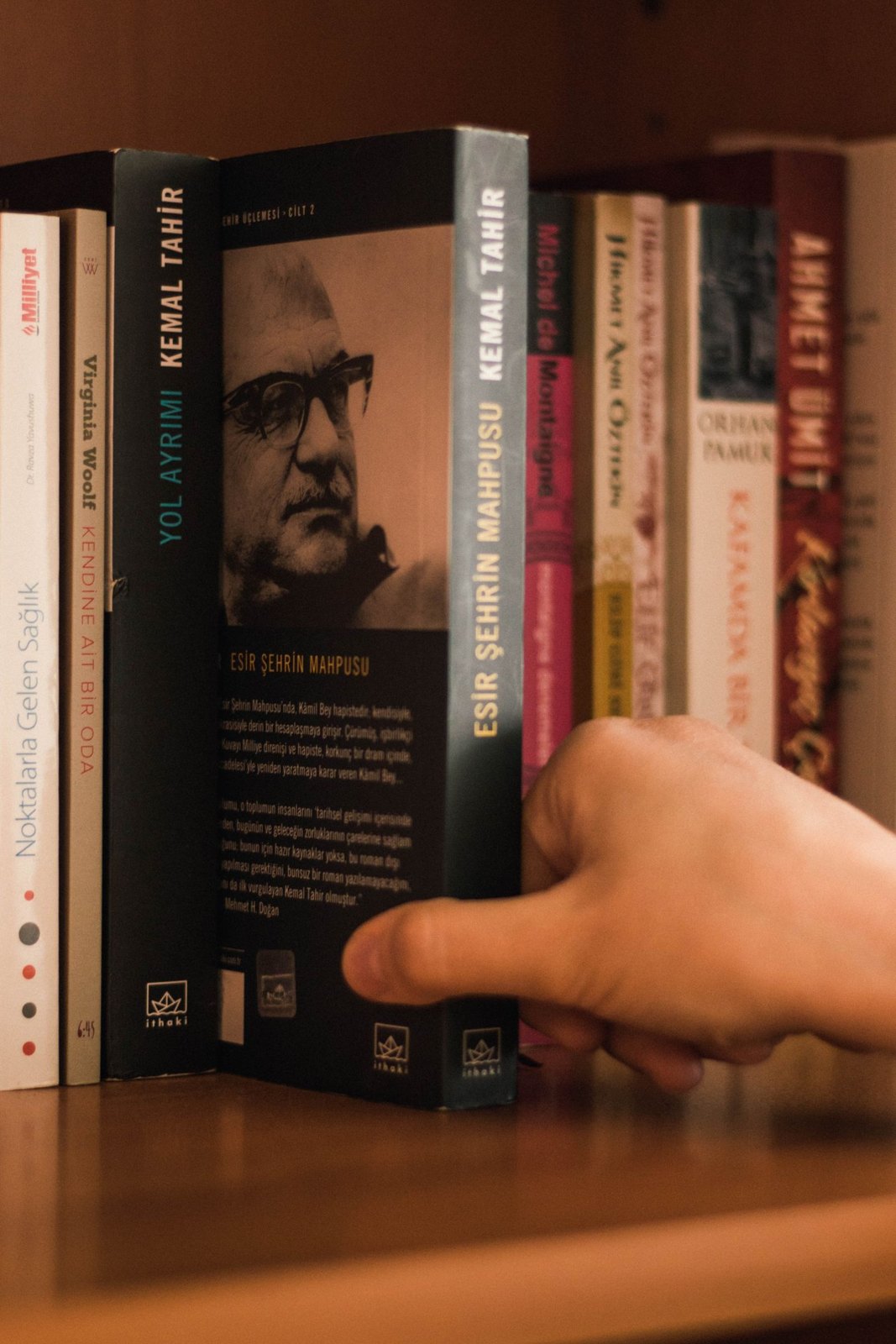
The back cover has several jobs competing for limited space. Decide what belongs there before the description, barcode and other elements become a squeeze.