
Editing
Keep track of objects, spaces and physical actions
A small record of positions, possessions and movement can prevent actions that the reader cannot physically follow.
Editing
A final proof pass works best when the text is stable, the checking tasks are distinct and every correction can be verified.
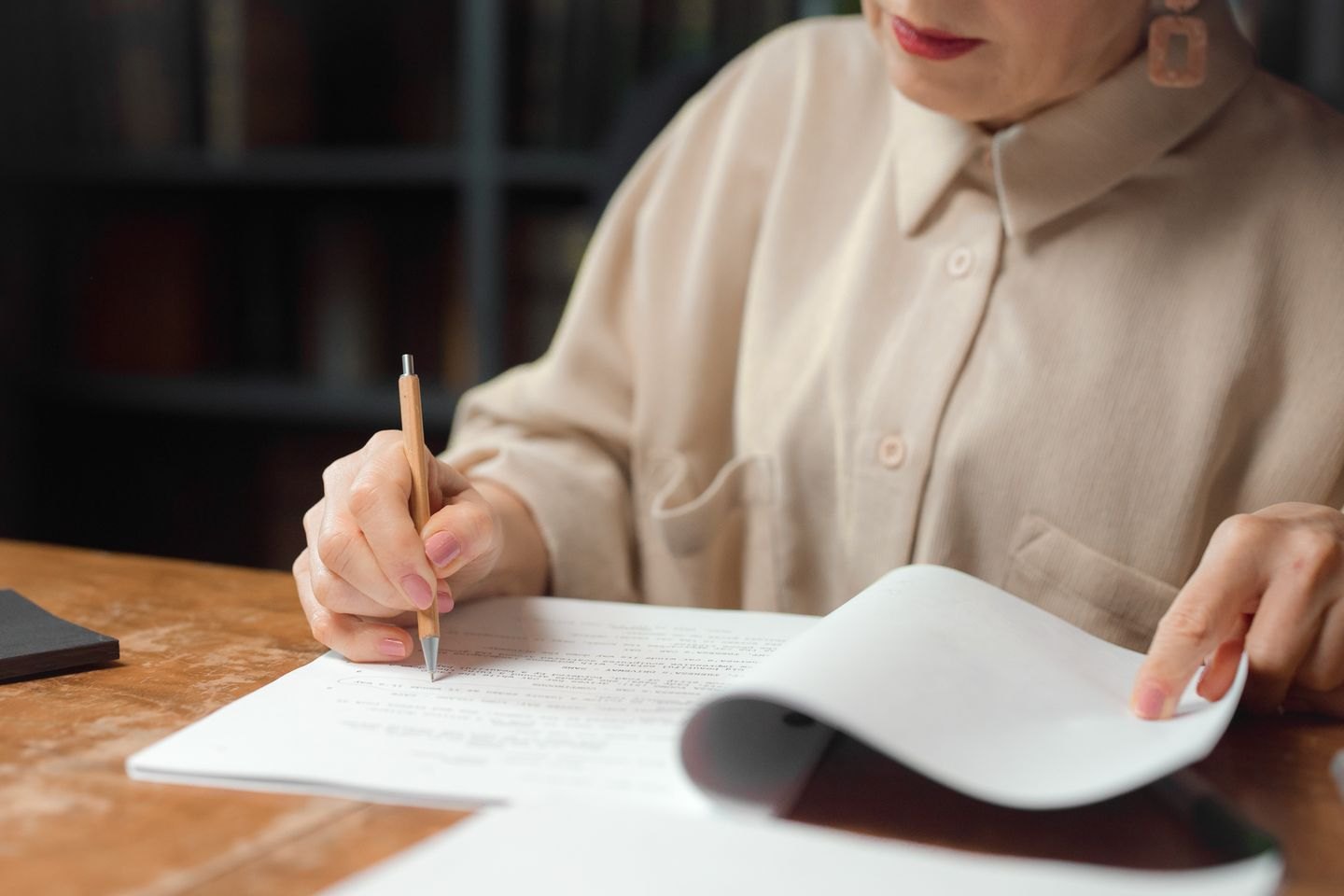
Proofreading needs a stable object. Before starting, confirm the filename, date and extent of the proof: the whole book, a replacement chapter or only corrected pages. If several people are checking it, give everyone the same version. Corrections tied to different page arrangements are difficult to combine and easy to apply to the wrong sentence.
The Chartered Institute of Editing and Proofreading describes proofreading as a check after editing and layout. That distinction helps define the task. A proof can reveal a serious problem that needs revision, but routine proof work should not become another unrestricted rewrite. Substantial changes may affect page breaks, references, contents entries and the cover's spine calculation.
Agree how corrections will be supplied and who can authorise them. A marked PDF, a paper proof or a correction list can all work if their conventions are clear. If several readers contribute, nominate one person to consolidate their comments. Otherwise contradictory instructions can reach the person applying corrections without any indication of which decision stands.
Reading for meaning and checking page furniture compete for attention. Plan distinct passes where the length and complexity justify them. One pass can follow the text closely for missing words, punctuation and obvious inconsistencies. Another can inspect repeated elements such as running heads, chapter numbers, captions, page numbers and section openings.
Read headings and their associated text together at least once. A perfectly spelled heading can be attached to the wrong section. Check labels against the objects they identify: figure numbers, table titles, notes and cross-references. Search is useful for locating references, but the result still needs to be inspected in context.
Give front and back matter deliberate attention. These pages often contain late additions and can escape the repeated reading given to chapters. Verify names, acknowledgements, publication details, contents entries and any contributor information against the agreed records. Do not assume that a familiar name or title is correct because it looks plausible.
For print, examine full spreads as well as enlarged text. Look for awkward page turns, uneven spacing, stranded headings and images or captions that seem disconnected. For a digital edition, check its relevant reading behaviours separately. A clean print PDF cannot establish that an ebook's navigation and reflow work properly.
A correction should identify the location and the intended result. “Page 42, second paragraph: replace ‘their’ with ‘there’” is clearer than “grammar problem here”. When a line may move after corrections, include a short text anchor. Distinguish a definite correction from a query that requires an author's or editor's decision.
Avoid introducing a second uncertainty while repairing the first. If a date appears inconsistent, establish the correct date before instructing someone to change it. If the fact cannot yet be confirmed, record the query as unresolved. A guessed correction is harder to detect later because it arrives with the appearance of having been checked.
Keep preferences separate from errors. At this stage, changing a serviceable word for another serviceable word consumes time and can create fresh defects. A sentence that gives the wrong instruction or alters the argument is a different matter. Describe why a substantive intervention is necessary so its consequences can be assessed.
After corrections are applied, check every requested change against the new proof. Confirm the final wording, not merely the presence of a mark or a tick in a list. Inspect the surrounding lines and the following page when the change affects flow. A corrected sentence can push a heading into an unsuitable position or detach a caption from its image.
Recheck any automatic element affected by the changes, including contents entries and cross-references. If pages were added or removed, identify which other production files depend on the count. Do not rely on an earlier successful check of a document that has since changed.
Finish with a clear approval record identifying the exact file. Archive the checked proof and the correction list together. This makes approval a decision about a known version and gives any later correction a traceable starting point.
Editing
A small record of positions, possessions and movement can prevent actions that the reader cannot physically follow.

Editing
Paper can change how you read a draft; a controlled transfer process keeps its corrections from becoming a second version.