
Publishing
Distribution and promotion solve different problems
A distribution route makes ordering possible. Promotion gives a particular reader, bookseller or librarian a reason to consider the book.
Publishing
A bookseller needs enough information to assess the book and understand how to obtain it. Prepare that information before making a short, relevant enquiry.

Look for the shop’s own policy on local authors, stock suggestions or events. Some prefer an email, a submission form or an appointment. Follow that route rather than arriving during a busy trading period expecting an immediate decision.
Visit or browse the shop’s catalogue to understand its focus. Explain why your book might suit its readers in specific terms. A local connection, a subject they already support or a clear fit with their range is more useful than claiming the book will appeal to everyone.
Keep the initial approach brief. Identify the title, format, subject or genre, publication status and the reason for contacting that shop. Offer further information or a sample in the form the shop requests. Do not assume an unsolicited copy can be returned or reviewed.
Have a concise information sheet ready with the correct ISBN where applicable, price, publication date, format and supply route. Make sure the details match the book and its current listing. A bookseller should not have to reconcile conflicting editions to understand the proposal.
If discussing terms or a direct arrangement, be clear about the actual offer and get any agreement in writing. Stocking, consignment and an event are different arrangements. Do not treat a conversation about one as approval of the others, or assume a standard set of terms applies to every independent shop.
Explain any relevant activity that could bring readers to the shop, but avoid presenting hoped-for sales as a commitment. If you are offering to take part in an event, discuss what you can actually do and what support would be needed.
End with a defined request: whether they would like a review copy, whether the title fits their stock process, or where to send the details. A clear question is easier to answer than a long message that mixes stocking, a launch, publicity and distribution concerns.
Respect the response and any follow-up timetable given. A shop can admire a book and still lack the space, customer demand or purchasing route to carry it. If the answer is no, update your record rather than repeatedly sending the same pitch.
Where a shop does order or agree an event, confirm the details and deliver what was promised. Keep links and announcements accurate, including whether the book is available to order or physically in stock. The relationship depends on those small operational details as much as on the first introduction.
Publishing
A distribution route makes ordering possible. Promotion gives a particular reader, bookseller or librarian a reason to consider the book.
Publishing
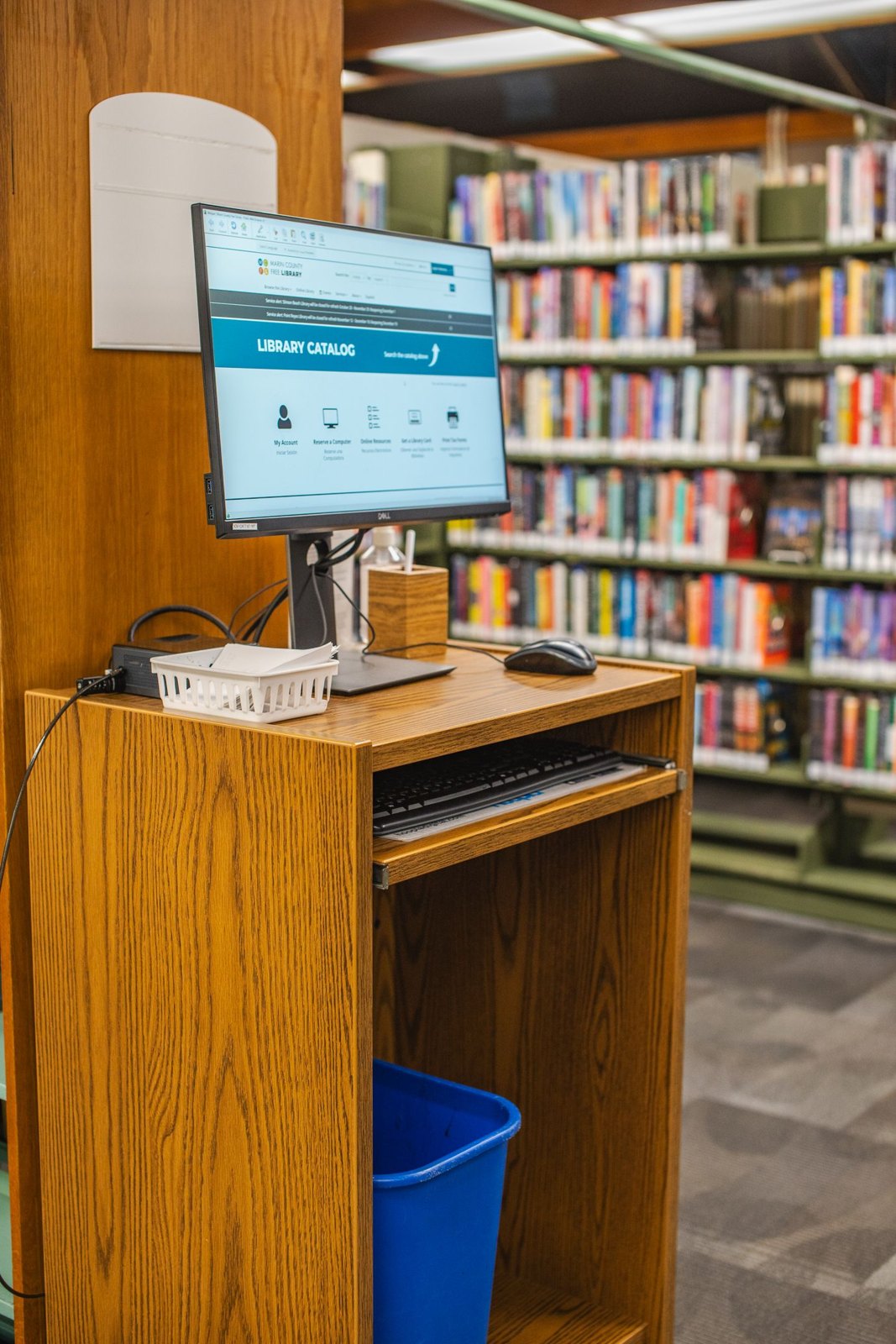
Make a library enquiry about the book’s relevance and availability. Start with the library’s own acquisition process, and keep event proposals separate.