Tools & workflow
Choose a few shortcuts for repetitive editing jobs
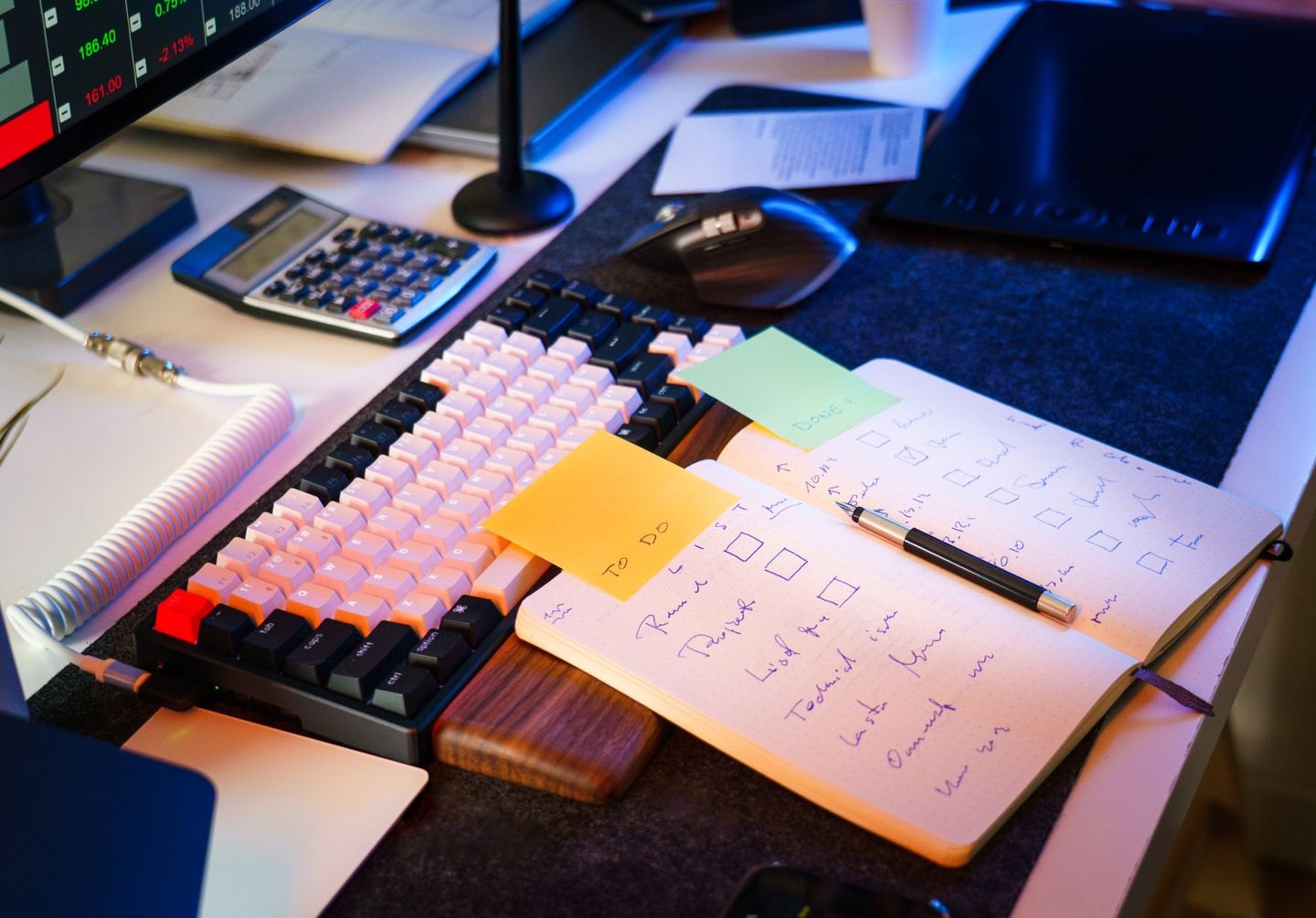
Learn shortcuts for actions you repeat during real editing. A small set used correctly is more valuable than a long list you cannot remember.
Tools & workflow
Reduce the interruptions you can predict, then give the session a task small enough to start. The aim is a workable period of attention, not an elaborate ritual.
Before a session begins, decide what you will actually do. “Work on the book” leaves room for reorganising folders, rereading old praise or researching an unrelated detail. “Draft the conversation in which the neighbour refuses the request” gives you a place to put the first sentence.
Open the relevant file and the few notes needed for that task. Close unrelated tabs or move them out of view. If research is likely to interrupt the draft, keep a separate place to record questions you can answer later. A visible placeholder can preserve momentum without pretending the missing fact is settled.
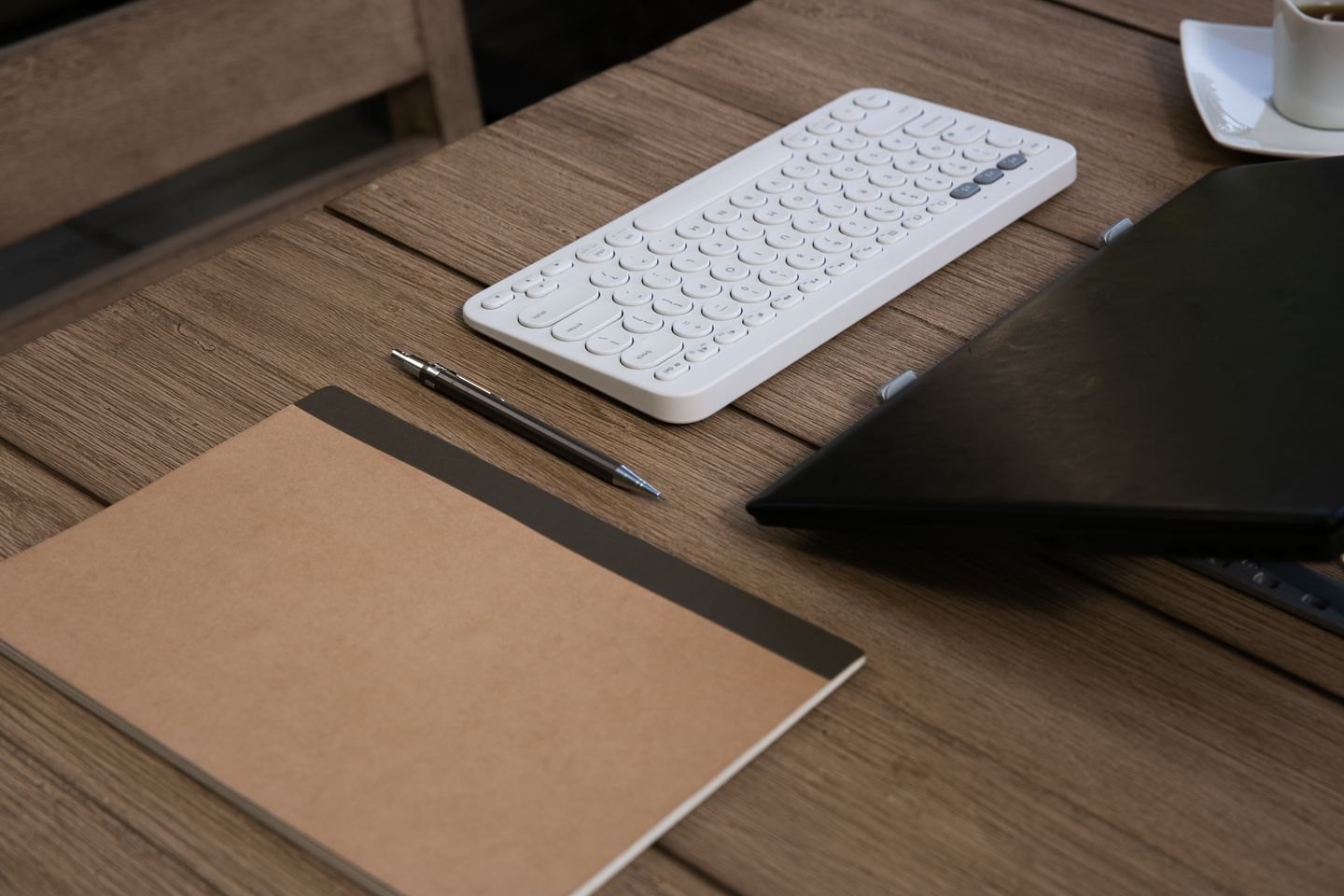
Arrange the desk for the work you intend to do. Reading printed pages needs room for the pages; dictation needs a setting where speaking is possible. A particular aesthetic is optional. The useful question is whether the materials and space support the next action.
Some interruptions are unavoidable. Decide how to leave a return note before you have to stop: the sentence’s intended direction, the decision still open or the next paragraph’s job. A few words written at the interruption can save a long reconstruction later.
Where possible, silence nonessential notifications for the period you have chosen. Keep any channel you genuinely need available. A writing routine that depends on ignoring responsibilities will be difficult to repeat, so set a boundary that fits the actual circumstances.
Use a time block that allows you to begin without feeling trapped by a large commitment. If you have twenty minutes, choose a task that can move within twenty minutes. That might be a rough paragraph, a scene sketch or a revision decision, rather than a polished chapter.
At the end, note what moved and what should happen next. Avoid judging the session only by word count: cutting a confused passage or solving a structural question can be substantial progress. Leave the file in a state that makes the next beginning obvious. A sustainable setup is one you can repeat on an ordinary day.
Tools & workflow
Learn shortcuts for actions you repeat during real editing. A small set used correctly is more valuable than a long list you cannot remember.
Tools & workflow
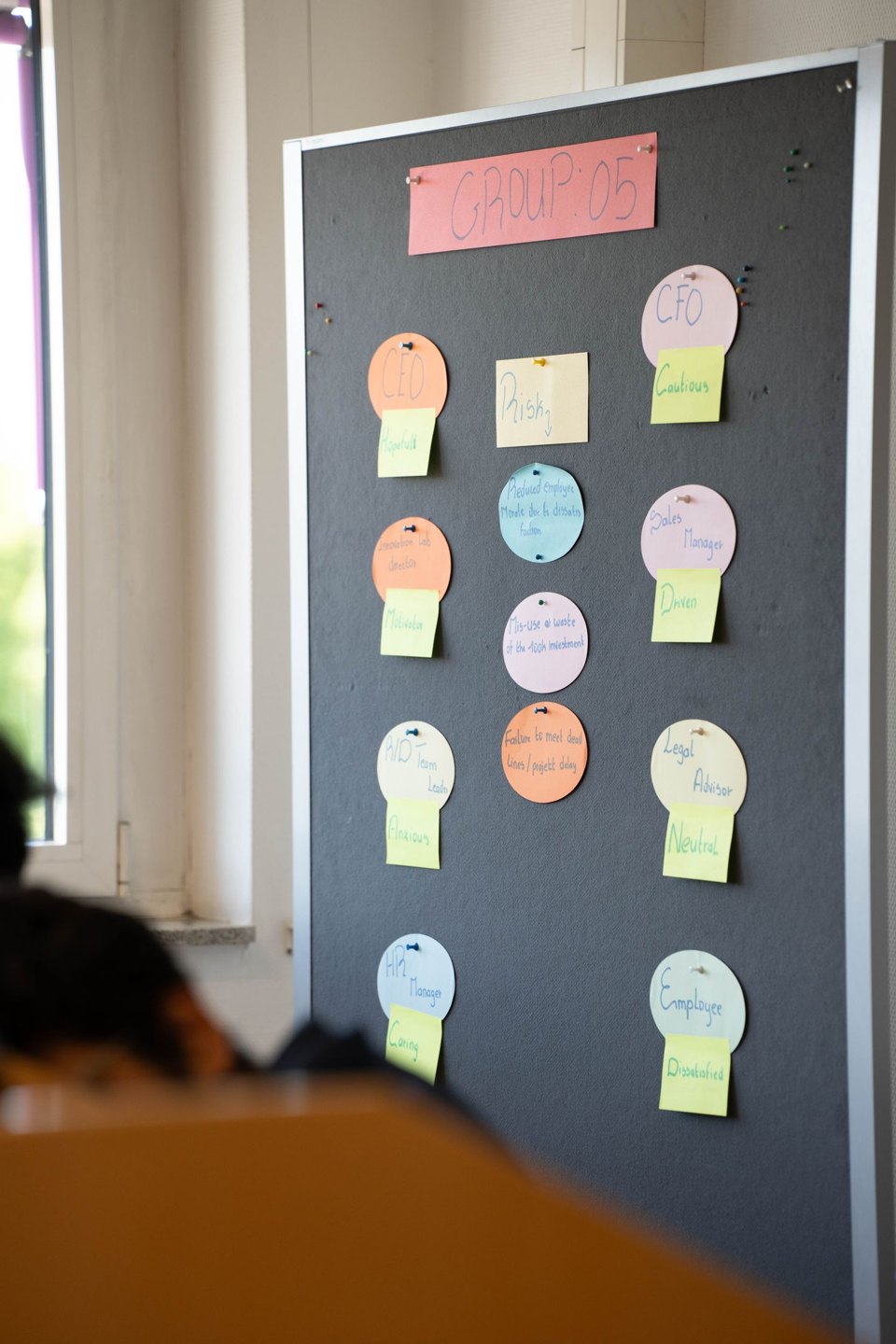
A board can show which publishing tasks are moving and which are waiting. Keep each card tied to a result somebody can recognise as finished.